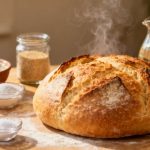
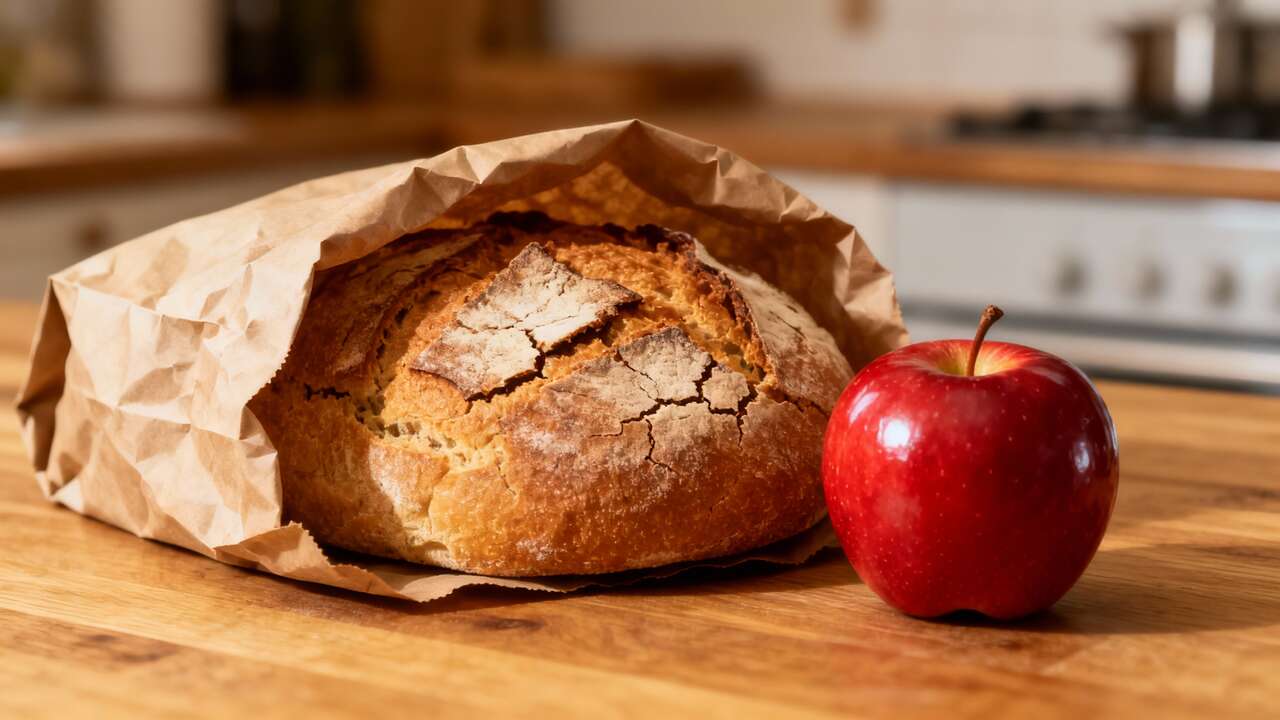

The battle against stale bread is a familiar struggle in many kitchens. A fresh, crusty loaf purchased with the best intentions often becomes hard and unappetizing within a day or two, leading to unnecessary food waste. While numerous storage solutions exist, from bread boxes to plastic bags, a surprisingly simple and effective method has been gaining attention among home bakers and food enthusiasts. This technique involves nothing more than a common fruit found in most households: an apple. Placing half an apple inside the bread bag is a time-tested trick that promises to extend the life of your loaf, keeping it soft and enjoyable for longer.
Why use an apple in your bread bag ?
A simple solution to a common problem
Bread begins to lose its freshness almost as soon as it cools. The primary culprit is moisture loss, which causes the bread’s internal structure to harden. This process, known as staling, can transform a perfect loaf into a disappointing rock in a short period. The apple method directly addresses this issue by introducing a natural source of moisture into the bread’s storage environment. It is an incredibly accessible and cost-effective solution, requiring no special equipment or expensive products, just a single piece of fruit and an airtight container.
The science of a humid environment
The principle behind this kitchen hack is straightforward. An apple, when cut, begins to release its water content into the surrounding air. When enclosed in a sealed bag or container with bread, this moisture creates a humid microclimate. The bread, which is naturally hygroscopic, absorbs this ambient moisture, counteracting the natural drying process. This simple exchange helps maintain the bread’s soft texture, effectively slowing down the inevitable journey toward staleness. It is a brilliant example of using one food item to preserve another through basic scientific principles.
This understanding of moisture regulation is not just a random household tip but a principle well-known to those who work with baked goods professionally.
The bakers’ secret for soft bread
An age-old kitchen hack
Long before modern preservatives and specialized storage bags, home cooks and bakers relied on their ingenuity and knowledge of natural ingredients to keep food fresh. The use of an apple is one such piece of traditional wisdom, a secret passed down through generations. It represents a resourceful approach to food preservation, leveraging the natural properties of everyday items. This method has endured because of its simplicity and proven effectiveness, standing the test of time as a reliable way to get a few extra days of life out of a loaf of bread.
From home kitchens to modern validation
What was once considered folk wisdom is now being recognized more widely by contemporary food experts and baking communities. Articles and online discussions frequently highlight this technique as a practical tip for reducing food waste. Its resurgence in popularity speaks to a growing desire for natural, sustainable living solutions. Rather than relying on chemical additives found in some commercial breads to extend shelf life, this method offers a completely natural alternative that anyone can implement at home. The validation from experienced bakers lends credibility to what might otherwise seem like an unusual suggestion.
The effectiveness of this traditional secret is rooted in a specific scientific process that affects all bread.
How does an apple preserve bread’s freshness ?
Understanding starch retrogradation
The primary reason bread goes stale is not just about drying out, but a more complex process called starch retrogradation. When bread is baked, the starch molecules in the flour absorb water and gelatinize, creating the soft, pleasant texture of a fresh loaf. As the bread cools and ages, these starch molecules begin to regroup and recrystallize. In doing so, they squeeze out the water they once held, causing the bread to become firm and leathery. This process happens even in a sealed bag, though it occurs much faster when bread is refrigerated. Maintaining a humid environment is key to slowing this molecular reorganization.
The role of humidity
Placing a cut apple in the bread bag directly combats starch retrogradation. The apple steadily releases moisture, raising the humidity level within the container. This humid air helps the bread retain its own internal moisture, preventing the starch molecules from crystallizing as quickly. The result is a loaf that stays noticeably softer for several extra days. The apple acts as a small, natural humidifier, dedicated to preserving the texture of your bread. The difference in texture can be quite significant, as illustrated below.
| Storage method | Day 1 | Day 2 | Day 3 |
|---|---|---|---|
| Sealed bag only | Soft and fresh | Slightly firm | Noticeably stale |
| Sealed bag with apple | Soft and fresh | Remains soft | Still soft, slightly firm |
Practical application guide
To use this method correctly, follow these simple steps for the best results. First, cut a fresh apple in half. You only need one half per loaf of bread. Place the bread in a plastic bag, a reusable bread bag, or an airtight container. Then, add the apple half, placing it cut-side down to maximize moisture release without making the bread soggy. It is crucial to check the apple daily. Remove and replace it if it shows any signs of spoilage, such as becoming too mushy or developing mold. This ensures the environment stays fresh and beneficial for the bread.
While the apple trick is highly effective, it is not the only natural method for maintaining the freshness of baked goods.
Other tips for keeping bread fresh
The bread slice alternative
A similar principle can be applied to other baked goods like cookies and cakes. Instead of an apple, a single slice of fresh bread can be used to keep them soft. When placed in an airtight container with cookies, the slice of bread will sacrifice its moisture, which is then absorbed by the cookies. This is particularly useful for maintaining the chewy texture of homemade cookies. The list of items this works for includes:
- Soft-baked cookies
- Brownies
- Homemade cakes
- Muffins
Proper storage containers
The choice of storage container is just as important as any trick you use inside it. The goal is always to control the airflow and humidity. A good quality, airtight bread box can work wonders by regulating humidity naturally. For crusty breads like baguettes, a paper bag is initially best to preserve the crust, but for long-term storage of a sliced loaf, a sealed plastic bag is more effective at preventing staling. For those who bake their own bread, waiting for the loaf to cool completely before storing it is a critical step to prevent condensation from forming inside the bag, which can lead to sogginess and mold.
To freeze or not to freeze ?
For long-term storage, freezing is by far the best option. Freezing effectively halts the starch retrogradation process. To do it right, it is best to slice the bread before freezing, so you can take out only what you need. Wrap the loaf or slices tightly in plastic wrap and then place them in a freezer-safe bag. When you need a slice, you can toast it directly from frozen or let it thaw at room temperature. Conversely, refrigerating bread is not recommended. The cool, dry environment of a refrigerator actually accelerates starch retrogradation, causing bread to go stale much faster than it would at room temperature.
Choosing a natural method like the apple trick comes with several compelling benefits beyond just softer bread.
Advantages of this natural method
Cost-effective and accessible
One of the most significant advantages of using an apple to preserve bread is its low cost. Apples are an inexpensive and commonly available grocery item. Unlike specialized food preservation products, there is no extra purchase necessary for most households. This makes it an economical choice for anyone looking to make their food last longer without investing in gadgets or single-use products. It is a frugal solution that delivers tangible results.
Reducing food waste
Globally, food waste is a major environmental and economic issue, and bread is one of the most frequently discarded food items in households. By extending the freshness of a loaf by even two or three days, this simple trick can make a meaningful difference. Families are more likely to finish the entire loaf, reducing the amount of food that ends up in the trash. Adopting small habits like this is a practical step toward a more sustainable kitchen and responsible consumption.
Chemical-free preservation
Many commercially produced breads contain a list of preservatives and dough conditioners to extend their shelf life. While effective, some consumers prefer to avoid these additives. The apple method is a completely natural, chemical-free alternative. It allows you to enjoy the benefits of longer-lasting freshness without introducing any synthetic ingredients. This is especially appealing for those who purchase bread from artisan bakeries or bake their own at home, ensuring the product remains as pure as it was intended to be.
Even with a clear understanding of the benefits, some common questions often arise when trying this method for the first time.
Frequently asked questions about bread storage
Will the bread taste like apples ?
This is a very common concern, but the flavor transfer is generally negligible. As long as the apple is fresh and not overripe, it will impart moisture without a noticeable apple taste or smell. The bread will simply taste like fresher bread. For best results, use a neutral, crisp apple variety, though almost any kind will work effectively.
What kind of apple works best ?
There is no specific type of apple required for this trick to work. Any variety that is firm and juicy will do the job perfectly. Whether you have a Granny Smith, Gala, or Fuji on hand, its moisture-releasing properties will be sufficient. The key is that the apple is fresh and has not started to decay or dry out itself.
How long does this method extend freshness ?
While results can vary based on the type of bread and ambient conditions, you can generally expect this method to add an extra two to three days of softness to your loaf. It will not keep bread fresh indefinitely, but it significantly slows the staling process, giving you more time to enjoy your purchase.
What about high-humidity climates ?
This is an important consideration. In environments that are already very humid, adding more moisture to a sealed container can increase the risk of mold growth. If your home’s humidity level is consistently high, it is crucial to monitor the bread and apple daily. If you notice any signs of mold, it is best to discard both. In such climates, freezing may be a more reliable long-term storage solution.
Ultimately, incorporating the apple trick into a food storage routine is a simple yet powerful way to combat stale bread. This method, rooted in basic science, offers a natural, cost-effective, and sustainable solution to a common household problem. By maintaining a humid environment, it effectively slows the staling process, preserving the bread’s soft texture for several extra days. It stands as a prime example of how traditional kitchen wisdom can help reduce food waste and enhance the enjoyment of simple foods. When combined with proper storage techniques, this practice can make a noticeable difference in any kitchen.

- This Dried Fruit Improves Heart Health, Experts Say - 13 November 2025
- 3 Perennials You Should Divide in Autumn for a Healthier Garden Next Year - 13 November 2025
- This Simple Fruit on the Table Naturally Repels Gnats - 12 November 2025