
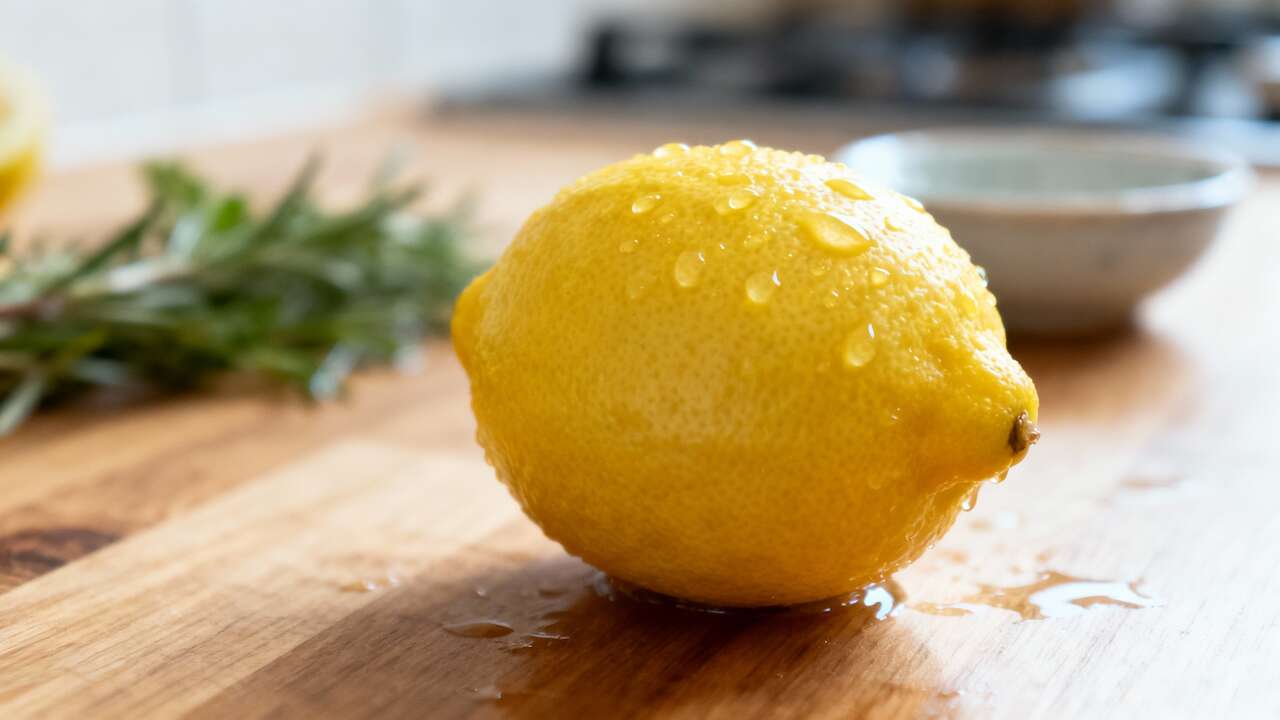

The persistent buzz of a tiny insect cloud in the kitchen is a common nuisance for many households. Gnats and fruit flies, though small, can quickly multiply, turning a serene home environment into a frustrating battleground. While numerous chemical solutions exist, a growing number of people are turning to simpler, non-toxic methods found right in their pantry. One of the most effective and pleasantly aromatic solutions sits unassuming in most fruit bowls, ready to be deployed as a powerful, natural line of defense against these unwelcome guests.
The natural solution against gnats
Before deploying a solution, it is crucial to understand the adversary. Homeowners often use the term ‘gnat’ as a catch-all for any small, flying insect, but they are typically dealing with one of two culprits: fruit flies or fungus gnats. Understanding their differences helps in targeting them effectively, though the proposed natural remedy has shown efficacy against both. The simple, accessible, and surprisingly potent weapon in this fight is the common lemon.
Identifying the Culprit: Gnats vs. Fruit Flies
Fruit flies are drawn to fermenting organic matter, particularly ripening or rotting fruit and vegetables. They have a knack for appearing seemingly out of nowhere once produce begins to turn. Fungus gnats, on the other hand, breed in damp soil and are often found hovering around houseplants. While their sources differ, their presence in living spaces is equally irritating. The lemon’s properties work to deter both, disrupting the environments they seek out.
| Feature | Fruit Fly (Drosophila melanogaster) | Fungus Gnat (Sciaridae family) |
|---|---|---|
| Appearance | Tan or brown body, often with red eyes, rounded shape. | Dark gray or black body, long legs and wings, resembles a tiny mosquito. |
| Primary Location | Near fruit bowls, trash cans, sink drains, and spills. | Around houseplants, windows, and sources of moisture. |
| Attraction | Fermenting sugars in ripe or decaying produce. | Fungi and organic matter in moist potting soil. |
Introducing the Humble Lemon
The lemon, a staple in kitchens worldwide for its culinary uses, doubles as a formidable insect repellent. Its power lies not in magic but in its distinct chemical composition. The sharp, citrus scent that humans find refreshing is overwhelming and offensive to gnats and fruit flies. Placing a simple cut lemon on a counter is one of the oldest and most effective methods to persuade these pests to vacate the premises without resorting to harsh chemical sprays.
This citrus fruit acts as a passive repellent, creating an invisible barrier of scent that masks the alluring smells of ripening bananas or discarded food scraps that would otherwise draw insects in. Its effectiveness is rooted in the very properties that give the lemon its characteristic zest and acidity.
The unique properties of this citrus
The lemon’s ability to repel gnats is not just an old wives’ tale; it is based on the fruit’s powerful natural compounds. The peel and flesh contain volatile oils and acids that are inhospitable to many small insects. These components work together to create an environment where gnats and fruit flies simply do not want to be, making the lemon an elegant and organic form of pest control.
The Power of Limonene
The primary active ingredient in a lemon’s peel is a chemical compound called limonene. This substance is responsible for the characteristic citrus aroma and is widely used in commercial cleaning products and fragrances. More importantly, limonene is a natural insecticide and repellent. It works by disrupting the respiratory systems of insects, making it difficult for them to breathe. When a lemon is cut, limonene is released into the air, creating a protective zone that gnats instinctively avoid.
Acidic Nature as a Deterrent
Beyond its scent, the high concentration of citric acid in lemons makes them a poor breeding ground for pests. Fruit flies seek out sweet, decaying matter to lay their eggs, as the fermentation process provides nourishment for their larvae. The potent acidity of a fresh lemon is the antithesis of this ideal environment. It signals that the fruit is not suitable for reproduction, forcing the flies to search for a more hospitable location, preferably outside of the home.
A Dual-Action Approach
The lemon’s effectiveness comes from its two-pronged attack. First, its strong scent acts as a cloaking device, masking the subtle smells of other produce that might attract pests. Second, the active compounds like limonene serve as a direct repellent, actively driving insects away. This dual-action approach makes it a surprisingly robust tool for managing minor infestations and preventing new ones from starting.
How to use lemon on the table
Harnessing the power of lemons against gnats is straightforward and requires no special equipment. The methods range from incredibly simple to slightly more involved, allowing anyone to choose a technique that suits their needs and the severity of their pest problem. Each method leverages the same core principles of releasing the lemon’s repellent aroma into the air.
The Simple Lemon Slice Method
The most basic application involves nothing more than a lemon and a knife. Simply slice a lemon in half and place the halves, cut-side up, in a small bowl or on a plate. Position this near the areas where gnats congregate most often, such as next to a fruit bowl or near the kitchen sink. The exposed flesh will slowly release its scent, creating a no-fly zone. For a continuous effect, the lemon should be squeezed slightly each day to release fresh oils.
The Clove-Studded Lemon Technique
To amplify the repellent effect, many people enhance the lemon with whole cloves. The sharp, spicy scent of cloves comes from a compound called eugenol, which is another potent natural insect repellent. The combination of limonene and eugenol creates a powerful aromatic shield that is highly effective.
- Take one fresh lemon and cut it in half.
- Press 15 to 20 whole cloves into the flesh of each lemon half, pushing them in until only the bud is visible.
- Place the clove-studded lemon halves in a decorative bowl on your table, counter, or windowsill.
- The combined aroma is pleasant to humans but detestable to gnats and fruit flies.
Creating a Lemon Peel Spray
For a more active approach, a homemade lemon spray can be used to treat surfaces. To make it, simmer the peels from two or three lemons in about two cups of water for 15 minutes. Let the mixture cool completely, then strain the liquid into a spray bottle. This natural spray can be lightly misted around window frames, on countertops, and near trash cans to deter gnats from landing. It is important to test the spray on a small, inconspicuous area first to ensure it does not damage any surfaces.
Tips to maximize its effectiveness
While using lemons is an effective strategy, its success can be greatly enhanced by following a few best practices. Proper placement, regular maintenance, and combining the method with good sanitation habits will deliver the best results and help maintain a gnat-free home. Think of the lemon as one component in a broader, integrated pest management plan.
Strategic Placement is Key
The location of your lemon repellent matters. Gnats and fruit flies gather around their food sources and breeding grounds. Therefore, place your lemon halves or clove-studded lemons directly in these hotspots. Prime locations include:
- Next to the fruit bowl on the counter.
- Near the kitchen sink drain.
- Beside the indoor trash and compost bins.
- On windowsills, especially in the kitchen.
- Near any indoor plants that may harbor fungus gnats.
Maintaining Freshness
A dried-out lemon is an ineffective lemon. The repellent properties are tied to the moisture and volatile oils, which dissipate over time. To ensure your natural repellent remains potent, it is crucial to replace it regularly. A fresh scent indicates it is still working.
| Method | Recommended Replacement Frequency | Signs of Ineffectiveness |
|---|---|---|
| Plain Lemon Halves | Every 2-3 days | Flesh is dry to the touch; no noticeable citrus scent. |
| Clove-Studded Lemon | Every 4-5 days | Lemon has shriveled; clove and citrus aroma has faded. |
| Lemon Peel Spray | Remake batch weekly | Liquid appears cloudy or loses its fresh scent. |
Combining with Cleanliness
No repellent can overcome a persistent source of attraction. The lemon method is most effective when paired with diligent kitchen hygiene. By removing the things that attract gnats in the first place, you create an environment where they have no reason to stay. Prevention is always the best cure. Key practices include promptly wiping up spills, storing ripe fruit in the refrigerator instead of on the counter, taking out the garbage daily, and ensuring the sink drain is free of food particles.
Natural alternatives against gnats
While the lemon is a powerful tool, it is not the only natural solution available for controlling gnat and fruit fly populations. For more severe infestations, or for those who want to employ a multi-faceted strategy, several other household items can be used to create effective traps and repellents. These alternatives work on different principles, often by luring and trapping the insects rather than just repelling them.
The Classic Apple Cider Vinegar Trap
Perhaps the most well-known DIY pest solution is the apple cider vinegar trap. Fruit flies are irresistibly drawn to the smell of fermentation. This trap uses that attraction against them. To create one, pour about an inch of apple cider vinegar into a small jar or bowl. Add a few drops of liquid dish soap; this is a critical step, as the soap breaks the surface tension of the vinegar, causing the flies to sink and drown rather than simply landing on the surface. For an even more powerful lure, add a small piece of overripe fruit to the mixture.
Other Aromatic Repellents
Gnats and flies have a sensitive sense of smell, and many other strong scents besides lemon are known to repel them. Essential oils can be particularly effective. A few drops of peppermint, lavender, eucalyptus, or lemongrass oil on a cotton ball placed in infested areas can help drive pests away. Similarly, planting aromatic herbs like basil, mint, or rosemary in pots on a kitchen windowsill can serve as both a culinary resource and a natural insect deterrent.
Physical and Biological Controls
For persistent issues with fungus gnats originating from houseplants, other methods may be necessary. Simple yellow sticky traps placed in the soil of potted plants are highly effective at catching the adult gnats. To target the larvae in the soil, allowing the top inch or two of soil to dry out completely between waterings can disrupt their life cycle. For more advanced control, beneficial nematodes can be introduced to the soil to naturally eliminate the gnat larvae without harming the plant.
What experts say about natural solutions
The shift towards natural, non-toxic pest control is supported by many experts in entomology and home ecology. While they caution that natural methods may require more patience and consistency than chemical alternatives, they acknowledge their effectiveness, especially for managing common household pests like gnats and fruit flies. The consensus is that a holistic approach is always superior to a single-minded one.
The Entomologist’s Perspective
Entomologists confirm that the compounds found in many plants, including limonene in lemons and eugenol in cloves, have proven repellent properties. They work by interfering with an insect’s ability to locate food sources or by acting as irritants. Experts note that these natural repellents are most effective for low-to-moderate pest levels and are best used as a preventative measure to keep populations from establishing themselves in the first place. For a large, entrenched infestation, more aggressive trapping methods may need to be used in conjunction with repellents.
The Importance of an Integrated Approach
Professionals strongly advocate for what is known as Integrated Pest Management (IPM). This strategy does not rely on a single solution but instead combines several tactics for long-term effectiveness. In the case of gnats, an IPM approach would involve:
- Sanitation: Removing food and breeding sources by keeping the kitchen clean.
- Exclusion: Using screens on windows and doors to prevent pests from entering.
- Repellents: Employing natural deterrents like lemons or essential oils to make the area unattractive.
- Trapping: Setting up vinegar or sticky traps to reduce the existing population.
This layered defense is far more resilient and sustainable than simply spraying a chemical insecticide.
Safety and Environmental Benefits
One of the primary reasons experts recommend starting with natural solutions is their safety profile. Unlike commercial pesticides, which can release volatile organic compounds (VOCs) into the air, using a lemon or vinegar poses no risk to humans, pets, or the environment. This makes them an ideal first line of defense, especially in areas like the kitchen where food is prepared. By choosing natural methods, homeowners can manage pests effectively while maintaining a healthy indoor air quality.
Battling a swarm of gnats in the kitchen can be effectively managed with a simple lemon. Its natural properties, driven by compounds like limonene, create a powerful repellent that is both safe and pleasantly aromatic. For the best results, this method should be part of a larger strategy that includes diligent sanitation and, if needed, complementary natural traps like apple cider vinegar. By combining these simple techniques, it is possible to maintain a clean, pest-free home without resorting to harsh chemicals.

- This Dried Fruit Improves Heart Health, Experts Say - 13 November 2025
- 3 Perennials You Should Divide in Autumn for a Healthier Garden Next Year - 13 November 2025
- This Simple Fruit on the Table Naturally Repels Gnats - 12 November 2025