
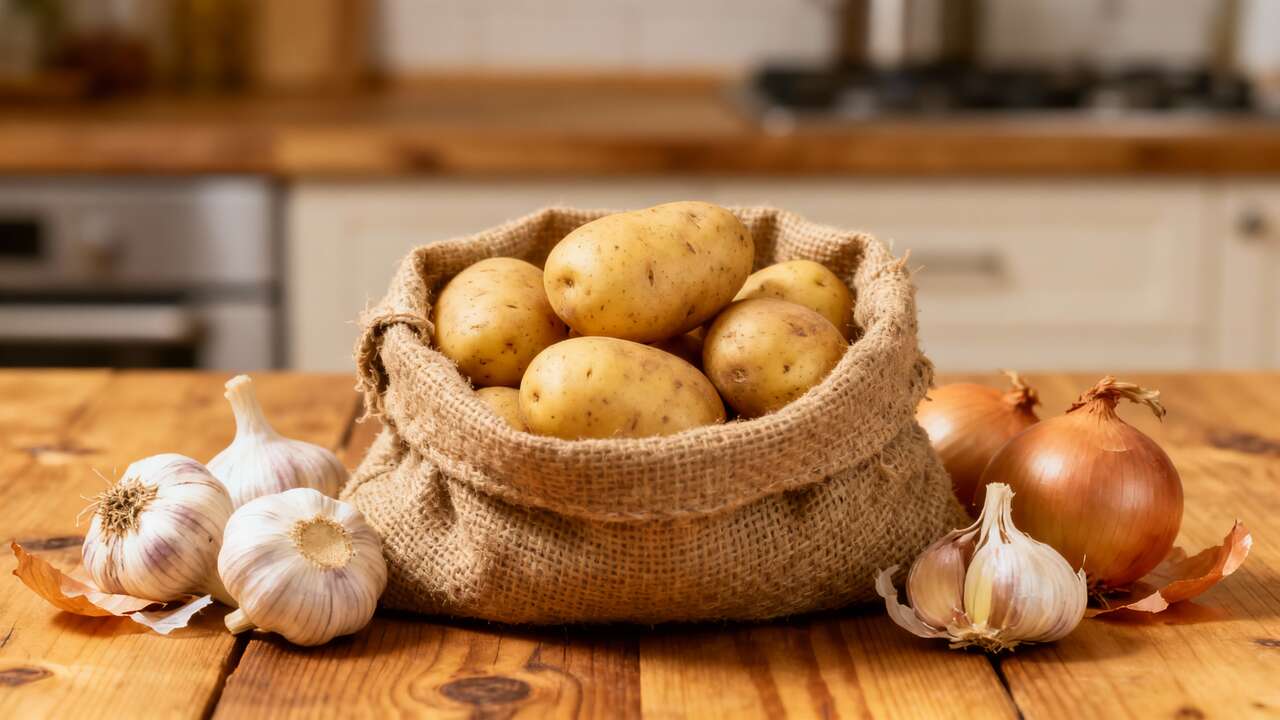

It is a common and frustrating kitchen scenario: you reach for a potato to prepare a meal, only to find it has grown unsettling, pale sprouts. This familiar sign of spoilage often leads to food waste and a last-minute change of dinner plans. While potatoes are renowned for their long shelf life, they are living organisms that will inevitably try to reproduce. However, understanding the biological processes at play and implementing proper storage techniques can significantly delay this sprouting, keeping your spuds firm, fresh, and ready for the pot for weeks, or even months.
Why do potatoes sprout ?
The science behind sprouting
A potato is a tuber, which is the plant’s underground storage organ, packed with the energy needed to grow a new plant. Sprouting is simply the potato’s natural life cycle in action. Each “eye” on a potato is a bud, capable of developing into a new stem and leaves. When conditions are right, the potato breaks its dormancy period and begins to use its stored starches, converting them into sugars to fuel the growth of these new sprouts. This process is a sign that the potato is preparing to reproduce, but for culinary purposes, it signals the beginning of the end of its peak freshness. A sprouted potato often becomes softer and may develop a bitter taste as its sugar content changes.
Key environmental triggers
Several environmental factors act as signals for a potato to break dormancy and begin sprouting. The three primary culprits are warmth, light, and moisture. Storing potatoes in an environment that mimics the spring ground will inevitably encourage them to grow. Understanding these triggers is the first step toward preventing them.
- Warmth: Temperatures above 50°F (10°C) are a major catalyst for sprouting. Warmth signals to the potato that growing season has begun.
- Light: Exposure to any light, natural or artificial, can trigger a hormonal response in potatoes that initiates sprouting. Light also promotes the production of solanine, a chemical compound that can be toxic in large amounts and causes the potato skin to turn green.
- Moisture: High humidity can encourage both sprouting and the growth of mold and bacteria, leading to rot. Potatoes need some humidity to prevent shriveling, but an overly damp environment is detrimental.
Knowing what causes potatoes to sprout is fundamental to preventing it. The next logical step is to identify a storage location that actively counteracts these environmental triggers.
The best places to store your potatoes
Ideal characteristics of a storage location
The perfect storage spot for potatoes is often described as a modern-day root cellar. The goal is to find a place that is cool, dark, and well-ventilated. The ideal temperature range is between 45°F and 50°F (7°C to 10°C). This is cool enough to keep the potatoes dormant but not so cold that their starches convert into sugar, which can affect their taste and cause them to brown during cooking. Darkness is non-negotiable to prevent both sprouting and the greening of the skin. Finally, good air circulation is essential to whisk away excess moisture and prevent the buildup of ethylene gas, which can accelerate spoilage.
Common household locations that work
While most modern homes lack a traditional root cellar, several common areas can serve the purpose effectively. A cool, dark pantry is often a great choice, provided it is not located near heat-producing appliances like an oven or dishwasher. A dry basement, an insulated garage, or even a dark closet on a cool, exterior wall can also work well. The key is to find a spot with a stable, cool temperature away from direct sunlight. Regularly monitor the temperature of your chosen spot to ensure it remains consistent.
Places to absolutely avoid
Just as important as knowing where to store potatoes is knowing where not to store them. The refrigerator is a common mistake; its cold temperature causes the potato’s starch to convert to sugar, resulting in a sweet taste and a dark, unappealing color when fried or roasted. A kitchen countertop is also a poor choice due to its exposure to light and fluctuating temperatures. Below is a comparison of storage locations.
| Storage Location | Pros | Cons |
|---|---|---|
| Basement/Pantry | Cool, dark, often stable temperature | Can be too humid if not well-ventilated |
| Kitchen Counter | Convenient | Too much light, fluctuating temperatures |
| Refrigerator | Keeps them from sprouting quickly | Converts starch to sugar, affects taste and texture |
| Under the Sink | Dark | Often warm and humid from pipes, risk of leaks |
Once you have identified the right environment, the next piece of the puzzle is choosing the correct container to house your potatoes for their long rest.
The ideal containers for optimal preservation
The importance of air circulation
The container you choose for potato storage is just as critical as the location. The primary function of the container is to protect the potatoes from light while allowing for ample air circulation. Potatoes, even in storage, are still respiring, which means they are taking in oxygen and releasing carbon dioxide and water vapor. If this moisture is trapped, it creates a perfect breeding ground for mold and rot. A container that allows air to flow freely helps keep the potatoes dry and healthy.
Recommended container types
The best containers are made from materials that breathe. Classic choices that have stood the test of time are still the most effective. Consider these options:
- Burlap sacks: These are an excellent choice as they block light and are highly breathable.
- Paper bags: A simple, perforated paper bag allows for good airflow while keeping the potatoes in the dark.
- Wicker baskets: Baskets with an open weave provide fantastic ventilation. Just be sure to store them in a completely dark location or cover them with a cloth.
- Ventilated cardboard boxes: A simple box with some holes punched in the sides can work just as well.
Containers to steer clear of
The worst choice for potato storage is a plastic bag. The kind you get at the grocery store is especially bad because it is not perforated and will trap moisture, turning your potatoes into a mushy mess in a short amount of time. Similarly, any airtight plastic or glass container should be avoided for the same reason. They prevent air circulation and create a humid environment that accelerates decay and sprouting. Proper containment is a simple but powerful step toward longevity.
With the right place and the right container secured, a few additional handling practices can further ensure your potatoes remain in prime condition.
Storage tips to prevent sprouting
Handling potatoes before storage
How you treat your potatoes before they even go into storage can have a big impact on their shelf life. First, resist the urge to wash them. Potatoes are often sold with a thin layer of soil on them, which actually helps protect them from bacteria and premature decay. Washing introduces moisture, which is the enemy of long-term storage. Wait to wash your potatoes until just before you are ready to use them. Second, inspect your batch. If you find any potatoes that are bruised, cut, or showing signs of rot, separate them and use them first. A single damaged potato can release moisture and ethylene gas, which can spoil the whole batch.
The onion dilemma
It is a common kitchen practice to store all root vegetables together, but this can be a critical mistake. Potatoes and onions should never be stored together. Onions release a high concentration of ethylene gas, a ripening agent that significantly speeds up the sprouting process in potatoes. Keeping them in separate, distant locations is one of the easiest ways to extend the life of your potatoes. Garlic, on the other hand, does not produce as much ethylene and can be stored near potatoes without issue.
While these tips apply to all potatoes, it is worth noting that not all spuds are created equal when it comes to their storage potential.
The varieties of potatoes that store best
Understanding potato varieties
Potatoes come in a wide range of types, generally categorized by their starch content as starchy, waxy, or all-purpose. Their storage potential, however, often has more to do with the thickness of their skin and their natural dormancy period. Some varieties have been specifically cultivated for their ability to last through the winter, while others are best enjoyed shortly after harvest.
Top choices for long-term storage
If you are looking to stock up, certain varieties are known for being excellent keepers. Thick-skinned, low-moisture potatoes generally last the longest. These include many popular types that are widely available.
- Russet: With their thick, tough skin, Russets are champions of storage and can last for many months under ideal conditions.
- Yukon Gold: This all-purpose potato has a fairly long dormancy period and stores very well.
- Katahdin: A classic storage potato, it is known for its resistance to sprouting.
Varieties with a shorter shelf life
On the other end of the spectrum are potatoes with thin, delicate skins. These varieties have a higher moisture content and a shorter dormancy period, making them more susceptible to sprouting and shriveling. “New potatoes,” which are any variety of potato harvested before it reaches maturity, have very thin skins and should be used within a week. Similarly, most fingerling and red-skinned varieties are best consumed within a few weeks of purchase.
| Potato Variety | Skin Thickness | Typical Storage Life (Optimal Conditions) |
|---|---|---|
| Russet | Thick | 4-6 months |
| Yukon Gold | Medium | 2-4 months |
| Red Potato | Thin | 2-4 weeks |
| New Potato | Very Thin | 1-2 weeks |
Choosing the right variety is a proactive step, but even with the best keepers, there are still a few more tricks to maximize their freshness.
How to extend the freshness of potatoes
Curing for long-term storage
For those who grow their own potatoes or buy them directly from a farm, a process called “curing” can dramatically extend their storage life. Curing involves letting the newly harvested potatoes sit in a moderately warm (60-75°F or 15-24°C) and humid place for about one to two weeks. This process allows their skins to thicken and any minor cuts or bruises to heal over, creating a tougher barrier against moisture loss and disease. After curing, they can be moved to their permanent cool, dark storage location.
What to do with sprouted potatoes
Despite your best efforts, you may still occasionally find a potato that has begun to sprout. The question then becomes: is it safe to eat ? If the potato is still firm and the sprouts are small (less than an inch long), it is generally safe to consume. Simply break off the sprouts and cut away any soft spots. However, if the potato is shriveled, soft, or has developed green patches on the skin, it is best to discard it. The green color indicates the presence of solanine, a bitter compound that can cause digestive upset if consumed in large quantities. A firm potato with the green parts thoroughly cut away can still be used, but when in doubt, it is safest to throw it out.
By combining a careful selection of potatoes with meticulous storage and handling, you can ensure a fresh supply for all your culinary needs. These strategies transform the common potato from a perishable vegetable into a reliable pantry staple.
Ultimately, keeping potatoes fresh is a matter of science and strategy. By providing a cool, dark, and well-ventilated environment, you counteract the natural triggers that lead to sprouting and spoilage. Choosing the right container, separating potatoes from onions, and selecting long-storing varieties are all crucial steps. These simple but effective measures not only preserve the quality and taste of your potatoes but also reduce food waste and save money.

- This Dried Fruit Improves Heart Health, Experts Say - 13 November 2025
- 3 Perennials You Should Divide in Autumn for a Healthier Garden Next Year - 13 November 2025
- This Simple Fruit on the Table Naturally Repels Gnats - 12 November 2025