
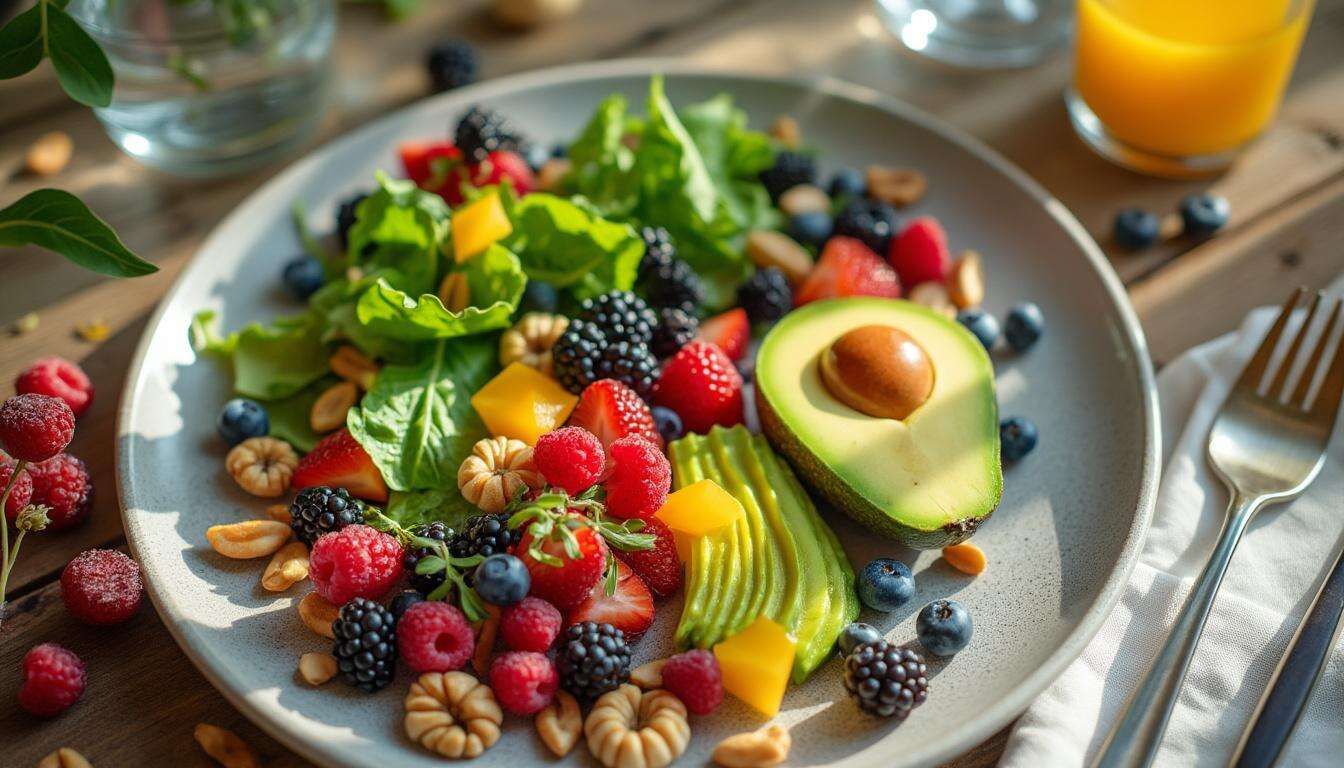

Adopt a diet that actively fights chronic inflammation to protect your heart health. The connection between what you eat and the inflammatory processes within your body is a critical area of focus in modern cardiology. A cardiologist-approved dinner is not about deprivation but about strategically choosing foods that calm inflammation, support arterial health, and contribute to overall cardiovascular wellness. This approach moves beyond simply counting calories and instead prioritizes the quality and functional properties of each ingredient on your plate.
Defining the Introduction to Anti-Inflammatory Benefits
Understanding Chronic Inflammation
Inflammation is the body’s natural response to injury or infection, a crucial part of the healing process known as acute inflammation. However, when this response becomes persistent and low-grade, it evolves into chronic inflammation. This state can be triggered by various factors, including a poor diet, stress, and a sedentary lifestyle. Unlike its acute counterpart, chronic inflammation provides no benefit and silently damages tissues over time, contributing to a host of diseases, including heart disease, diabetes, and arthritis. A cardiologist’s dietary focus is on mitigating this harmful, long-term inflammatory state through targeted nutrition.
The Direct Link to Cardiovascular Health
Chronic inflammation plays a direct role in the development and progression of atherosclerosis, the process where plaque builds up inside the arteries. This plaque, composed of cholesterol, fat, calcium, and other substances, can harden and narrow the arteries, restricting blood flow. The body perceives this plaque as a foreign invader, triggering an inflammatory response that can make the plaque unstable. An unstable plaque can rupture, leading to a blood clot that may cause a heart attack or stroke. Therefore, reducing systemic inflammation is a cornerstone of modern preventative cardiology.
With a clear understanding of why inflammation is a primary target for heart health, the focus naturally shifts to the specific dietary components that can exert a powerful anti-inflammatory effect.
Essential Anti-Inflammatory Foods According to a Cardiologist
The Foundation: Fruits, Vegetables, and Legumes
The core of an anti-inflammatory diet is rich in plant-based foods. These foods are packed with antioxidants and polyphenols, compounds that directly combat oxidative stress and inflammation. A cardiologist emphasizes filling the majority of your plate with these items. Key examples include:
- Leafy Greens: Spinach, kale, and collard greens are rich in vitamins and antioxidants.
- Berries: Blueberries, strawberries, and raspberries contain anthocyanins, a type of flavonoid with potent anti-inflammatory effects.
- Cruciferous Vegetables: Broccoli, cauliflower, and Brussels sprouts provide sulforaphane, an antioxidant with powerful anti-inflammatory benefits.
- Legumes: Lentils, chickpeas, and beans are excellent sources of fiber and magnesium, both of which help reduce inflammation.
The Importance of Healthy Fats and Spices
Not all fats are created equal. An anti-inflammatory diet prioritizes monounsaturated and polyunsaturated fats while limiting saturated and trans fats. Extra virgin olive oil is a staple, celebrated for its oleocanthal content, which has been shown to have effects similar to ibuprofen. Avocados, nuts, and seeds are also excellent sources of healthy fats and fiber. Additionally, certain spices are renowned for their medicinal properties. Turmeric, containing the active compound curcumin, and ginger are two of the most potent anti-inflammatory spices to incorporate into cooking.
| Food Group | Key Nutrients | Examples |
|---|---|---|
| Vegetables | Antioxidants, Polyphenols, Fiber | Spinach, Broccoli, Bell Peppers |
| Fruits | Flavonoids, Vitamin C, Fiber | Berries, Oranges, Cherries |
| Healthy Fats | Omega-3s, Monounsaturated Fats | Olive Oil, Avocado, Walnuts |
| Spices | Curcumin, Gingerol | Turmeric, Ginger, Cinnamon |
While a plant-forward diet forms the base, a specific type of animal protein provides unparalleled anti-inflammatory benefits, making it a cardiologist’s top recommendation for a heart-healthy dinner.
The Benefits of Fatty Fish in Combating Inflammation
Omega-3 Fatty Acids: The Power Players
The primary reason fatty fish is so highly recommended is its rich content of omega-3 fatty acids, specifically eicosapentaenoic acid (EPA) and docosahexaenoic acid (DHA). These long-chain polyunsaturated fats are incorporated into cell membranes throughout the body and are precursors to molecules called resolvins and protectins, which actively help resolve inflammation. Unlike plant-based omega-3s (ALA), EPA and DHA are readily usable by the body for these specific anti-inflammatory functions, making them particularly effective for cardiovascular protection.
Proven Cardiovascular Advantages
The benefits of consuming fatty fish are well-documented in cardiovascular medicine. Regular intake of EPA and DHA has been shown to lower triglycerides, reduce blood pressure, decrease the risk of blood clots, and prevent irregular heartbeats. By reducing inflammation within the arteries, these omega-3s also help to stabilize atherosclerotic plaques, making them less likely to rupture. This multi-faceted approach makes fatty fish a cornerstone of any heart-protective diet. A cardiologist often recommends at least two servings of fatty fish per week to achieve these benefits.
Knowing the profound benefits of fatty fish naturally leads to the question of how to best integrate this powerful food into your regular eating habits.
Practical Tips for Incorporating More Fatty Fish into Your Diet
Choosing the Best Fish for Your Health
When selecting fish, focus on those that are high in omega-3s but low in potential contaminants like mercury. The best choices are often smaller, cold-water fish. Excellent options include:
- Salmon (especially wild-caught)
- Mackerel
- Herring
- Sardines (canned in olive oil or water)
- Anchovies
- Trout
Larger predatory fish like swordfish, king mackerel, and tilefish tend to have higher mercury levels and should be consumed less frequently.
Simple and Heart-Healthy Preparation
How you cook your fish matters. Frying can introduce unhealthy fats and damage the delicate omega-3s. Instead, opt for preparation methods that preserve the fish’s nutritional integrity. Baking, grilling, steaming, or poaching are ideal. A simple and delicious preparation involves seasoning a salmon fillet with herbs like dill and lemon slices, drizzling it with a small amount of olive oil, and baking it at 400°F (200°C) for 12-15 minutes. This method is quick, easy, and maximizes the health benefits.
Adding the right foods is only half the battle; to truly reduce inflammation, you must also actively remove the foods that promote it.
Foods to Avoid to Reduce Inflammation
The Main Pro-Inflammatory Offenders
Certain foods can actively trigger or worsen chronic inflammation in the body. A cardiologist strongly advises limiting or eliminating these items from your diet to protect your heart. The primary culprits include ultra-processed foods, which are often high in unhealthy fats, sugar, and sodium. Specific categories to watch out for are:
- Sugary Beverages: Sodas, sweetened teas, and fruit juices are major sources of inflammation-driving sugar.
- Refined Carbohydrates: White bread, pastries, white pasta, and sugary cereals cause rapid spikes in blood sugar, which promotes inflammation.
- Processed Meats: Sausages, hot dogs, and deli meats contain advanced glycation end products (AGEs) and other compounds that are highly inflammatory.
- Excessive Red Meat: High consumption of red meat has been linked to increased levels of inflammatory markers.
Unhealthy Fats That Fuel the Fire
The type of fat you consume has a significant impact on inflammation. Trans fats, often found in fried foods, margarine, and packaged baked goods, are particularly harmful and should be avoided completely. Additionally, an imbalanced ratio of omega-6 to omega-3 fatty acids can be pro-inflammatory. While some omega-6s are essential, the typical Western diet contains far too many from sources like soybean, corn, and sunflower oils, which are prevalent in processed foods. Reducing intake of these oils while increasing omega-3s helps restore a healthier, less inflammatory balance.
| Foods to Limit or Avoid | Foods to Emphasize |
|---|---|
| Processed snacks and desserts | Fresh fruits and vegetables |
| Fried foods | Baked or grilled fatty fish |
| White bread and pasta | Whole grains like quinoa and oats |
| Soda and sweetened drinks | Water, green tea |
By consciously choosing whole, nutrient-dense foods and minimizing these inflammatory triggers, you create a powerful synergy that supports long-term cardiovascular health.
Conclusion on a Balanced and Healthy Anti-Inflammatory Dinner
Building a heart-healthy, anti-inflammatory dinner revolves around a clear principle: prioritize whole foods that fight inflammation and minimize processed items that fuel it. A plate centered on a serving of fatty fish like salmon, accompanied by a generous portion of colorful vegetables and a side of whole grains, provides a powerful combination of omega-3s, antioxidants, and fiber. This approach is not a restrictive diet but a sustainable eating pattern that directly addresses the root cause of many cardiovascular issues. By making these thoughtful choices, you actively protect your arteries and support your overall well-being, one delicious meal at a time.

- This Dried Fruit Improves Heart Health, Experts Say - 13 November 2025
- 3 Perennials You Should Divide in Autumn for a Healthier Garden Next Year - 13 November 2025
- This Simple Fruit on the Table Naturally Repels Gnats - 12 November 2025