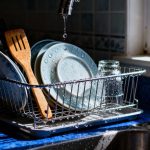


In professional kitchens and discerning homes, a quiet revolution is underway. The reliance on harsh, chemical-laden cleaning products is diminishing, replaced by time-tested, natural solutions that deliver a superior clean without the associated risks. Chefs, whose livelihoods depend on pristine surfaces and unadulterated flavors, have long understood a fundamental truth: the most effective cleaning agents are often already in the pantry. This shift is not about nostalgia but about efficacy, safety, and a smarter approach to hygiene, where sparkling dishes and sanitary counters are achieved through the simple power of nature, not aggressive chemicals.
The natural method for sparkling dishes
The power of citrus as a primary agent
Long before complex chemical formulas were bottled and sold, lemon was a cornerstone of kitchen cleaning. The secret lies in its high concentration of citric acid, a natural compound that effortlessly cuts through grease, dissolves hard water stains, and neutralizes alkaline odors. Unlike synthetic cleaners, lemon is entirely food-safe, meaning you can use it to clean cutting boards, countertops, and even the inside of a microwave without worrying about toxic residue. Its natural antibacterial properties provide a gentle sanitizing effect, leaving behind a fresh, clean scent that doesn’t just mask odors but eliminates them at their source.
Utilizing gentle abrasives for tough jobs
For stuck-on food and stubborn grime, a gentle abrasive is often necessary. While commercial scouring powders can scratch delicate surfaces, common pantry staples like baking soda and salt offer a safer yet highly effective alternative. Baking soda, or sodium bicarbonate, is a mild alkali whose fine crystals can scrub away residue without damaging porcelain, stainless steel, or glass. It also acts as a powerful deodorizer, absorbing unpleasant smells from refrigerators, drains, and dishwashers. When used correctly, these simple powders provide the mechanical action needed to lift difficult messes, proving that intense scrubbing power does not require harsh chemicals.
Comparing Natural Cleaning Agents
| Agent | Primary Property | Best Used For | Safety Note |
|---|---|---|---|
| Lemon Juice | Acidic / Degreaser | Cutting grease, removing water spots, deodorizing | Completely food-safe |
| Baking Soda | Mild Abrasive / Alkaline | Scrubbing stuck-on food, absorbing odors | Non-toxic and gentle on most surfaces |
| Salt | Abrasive | Scouring cast iron, removing tough stains | Use with caution on delicate surfaces |
These individual ingredients are powerful on their own, but their true potential is unlocked when they are combined to create synergistic cleaning solutions.
Lemon and baking soda-based alternatives
Creating a versatile cleaning paste
One of the most effective tools in the natural cleaning arsenal is a simple paste made from baking soda and lemon juice. The combination creates a dynamic reaction that is ideal for a variety of kitchen tasks. To make it, simply mix baking soda with enough lemon juice to form a thick, spreadable consistency. This paste is a master at lifting stains and grime from surfaces without scratching.
- For sinks and faucets: Apply the paste to stainless steel or porcelain sinks, let it sit for a few minutes, and then gently scrub with a sponge to remove soap scum and water spots, restoring a brilliant shine.
- For stained cutting boards: Spread the paste over the surface of a plastic or wooden cutting board to help lift food stains and eliminate lingering odors from onions or garlic.
- For cookware: Use it to scrub baked-on food from pots and pans. The gentle abrasion of the baking soda combined with the grease-cutting acid of the lemon is highly effective.
The fizzing action for deep cleaning drains
The chemical reaction between the alkaline baking soda and the acidic lemon juice produces carbon dioxide gas, resulting in a satisfying fizzing action. This effervescence is not just for show; it actively works to dislodge buildup and debris in hard-to-reach places. Pouring a half-cup of baking soda down a kitchen drain followed by a half-cup of lemon juice can help clear minor clogs and, more importantly, deodorize the drain and garbage disposal. After letting the mixture fizz for about 15 minutes, flushing with hot water will wash away the loosened grime, keeping pipes clean and fresh-smelling without resorting to caustic drain cleaners.
This same principle of combining an acid with a base is the key behind another incredibly powerful, eco-friendly cleaning trick that has become a go-to for deep-cleaning kitchen appliances.
The white vinegar trick for eco-friendly cleaning
The professional dishwasher deep clean
Over time, dishwashers accumulate soap scum, grease, and mineral deposits from hard water, leading to diminished performance and unpleasant odors. A method popularized on social media channels, and long used by cleaning professionals, revives the machine using only baking soda and white vinegar. The process is simple: first, remove and clean the dishwasher’s filter in hot, soapy water. Then, sprinkle a cup of baking soda across the bottom of the empty dishwasher and let it sit for several hours or overnight to absorb any lingering odors. Finally, place a dishwasher-safe bowl filled with one cup of white vinegar on the top rack and run a hot water cycle. The baking soda scrubs the interior while the vinegar steam dissolves grease and limescale, leaving the appliance sparkling and operating at peak efficiency.
A natural rinse aid for spotless results
Commercial rinse aids work by reducing the surface tension of water, preventing droplets from forming and leaving spots as they dry. White vinegar achieves the same result naturally. Its acetic acid content helps wash away detergent residue and minerals, ensuring that glassware and silverware emerge from the cycle crystal clear and free of streaks. Simply filling the dishwasher’s rinse aid dispenser with white vinegar is a simple, inexpensive swap that delivers professional-quality results without coating your dishes in unnecessary chemicals.
Cost and Impact: Vinegar vs. Commercial Cleaner
| Factor | White Vinegar | Commercial Dishwasher Cleaner |
|---|---|---|
| Average Cost per Use | $0.15 – $0.25 | $1.50 – $3.00 |
| Environmental Impact | Biodegradable, minimal packaging waste | Contains phosphates, surfactants; plastic packaging |
| Versatility | Can be used for hundreds of other household tasks | Single-purpose product |
Understanding these effective, natural alternatives naturally leads one to question the necessity of the chemical-laden products they replace and to examine the compelling reasons to keep them out of the kitchen entirely.
Why avoid chemicals in the kitchen
Hidden health concerns and residues
The kitchen is the heart of the home, where food is prepared and shared. Introducing harsh chemicals into this environment poses significant health risks. Many conventional dish soaps, surface sprays, and detergents contain compounds like triclosan, phosphates, and chlorine bleach. These substances can leave behind a microscopic residue on dishes, cutlery, and countertops, which can then be transferred to food and ingested. Exposure to such chemicals has been linked to skin irritation, respiratory issues, and disruption of the endocrine system. Opting for natural cleaners eliminates this risk of unintentional chemical consumption, creating a safer space for food preparation.
The environmental toll of conventional cleaners
The impact of chemical cleaners extends far beyond the kitchen sink. When washed down the drain, these substances enter our waterways, where they can harm aquatic ecosystems. Phosphates, for example, contribute to algal blooms that deplete oxygen in the water, killing fish and other wildlife. Furthermore, these products are almost always sold in single-use plastic bottles, contributing to the global plastic pollution crisis. Choosing biodegradable, homemade cleaners made from ingredients with minimal packaging is a powerful step toward reducing one’s environmental footprint.
Protecting your kitchen surfaces and appliances
Beyond health and environmental concerns, harsh chemicals can cause long-term damage to your kitchen investments. Abrasive chemical cleaners can create micro-scratches on stainless steel appliances, dull the finish on natural stone countertops, and degrade the rubber seals and gaskets in your dishwasher and other machines. In contrast, the gentle yet effective nature of vinegar, lemon juice, and baking soda cleans thoroughly while preserving the integrity and appearance of your kitchen surfaces and equipment, ensuring they last longer.
With such clear benefits, the next logical step is to seamlessly integrate these safer, smarter methods into a regular cleaning schedule.
How to incorporate these tricks into your daily routine
Assembling your natural cleaning toolkit
Making the switch to natural cleaning is easiest when the tools are readily available. You don’t need a cupboard full of products; a few key items are all it takes. Create a dedicated cleaning caddy with the essentials to make the process effortless.
- Spray Bottles: Keep one filled with a 50/50 white vinegar and water solution for all-purpose surface cleaning, and another for plain water.
- Shaker: Repurpose an old spice jar or cheese shaker and fill it with baking soda for easy sprinkling on surfaces or down drains.
- Staple Ingredients: Always have a supply of white vinegar, baking soda, and fresh lemons on hand.
- Microfiber Cloths: These are highly effective for wiping and polishing surfaces without leaving lint behind.
Establishing a simple cleaning rhythm
Consistency is key to maintaining a sparkling kitchen without feeling overwhelmed. By assigning tasks to a daily, weekly, and monthly schedule, you can stay on top of messes efficiently. A daily wipe-down of counters with your vinegar spray prevents buildup. A weekly scrub of the sink with baking soda paste keeps it shining. And a monthly deep clean of the dishwasher ensures it runs smoothly. This proactive approach is far more manageable than tackling major messes once they have become established.
Mastering the details for a professional finish
Professional chefs know that a truly clean kitchen is clean everywhere, not just on the main surfaces. To achieve this level of detail, incorporate a few extra tricks. Use a simple wooden toothpick to clear out the gunk that collects in the tight crevices around your sink faucet or along the edge of your stovetop. For quick crumb removal from drawers and shelves, a small handheld vacuum or a brush attachment on your main vacuum is far more effective than a damp cloth, which can turn crumbs into a sticky paste.
These practices are not just theoretical; they are actively used and endorsed by culinary professionals who require the highest standards of cleanliness and safety in their workplaces.
Chefs’ testimonials on the effectiveness of these methods
The professional standard for kitchen hygiene
For a professional chef, maintaining a pristine kitchen is non-negotiable. It is a matter of public health, food safety, and professional integrity. In these high-stakes environments, many culinary experts actively avoid harsh chemical cleaners. They cannot risk bleach or ammonia residues contaminating a cutting board or a food preparation surface. Instead, they rely on the proven effectiveness of vinegar for sanitizing, lemon for degreasing, and baking soda for scrubbing. These methods are trusted because they clean thoroughly without introducing any foreign, potentially harmful substances into the food chain. As one head chef noted, “The best clean is one you can’t taste or smell. Nature provides that.”
Balancing performance and cost in a commercial kitchen
Beyond safety, restaurant kitchens operate on tight margins, and efficiency is paramount. Natural ingredients like vinegar and baking soda are not only effective but also incredibly economical. A large container of vinegar costs a fraction of a specialized, single-purpose chemical cleaner. This cost-effectiveness, combined with their versatile, multi-purpose nature, makes them a financially savvy choice for any high-volume kitchen. If these simple, inexpensive methods can stand up to the relentless demands of a busy restaurant—from greasy stovetops to endlessly dirty dishes—their performance in a home kitchen is guaranteed.
Professional Kitchen: Cleaner Comparison
| Attribute | Natural Methods (Vinegar, Lemon, etc.) | Commercial Chemical Cleaners |
|---|---|---|
| Food Safety | Excellent; no risk of toxic residue | Potential risk of chemical contamination |
| Effectiveness | Highly effective for grease, grime, and sanitizing | Highly effective, but can be overly harsh |
| Cost | Extremely low | Significantly higher |
| Surface Impact | Gentle on most surfaces and equipment | Can be corrosive or damaging over time |
Adopting the cleaning secrets of chefs provides a clear path to a cleaner, safer, and more sustainable kitchen. By embracing simple pantry staples, anyone can achieve a professional-level sparkle on their dishes and surfaces without the drawbacks of chemical-laden products. This approach transforms kitchen maintenance from a chore involving harsh substances into a simple, healthy routine that protects your family and your home.

- This Dried Fruit Improves Heart Health, Experts Say - 13 November 2025
- 3 Perennials You Should Divide in Autumn for a Healthier Garden Next Year - 13 November 2025
- This Simple Fruit on the Table Naturally Repels Gnats - 12 November 2025