
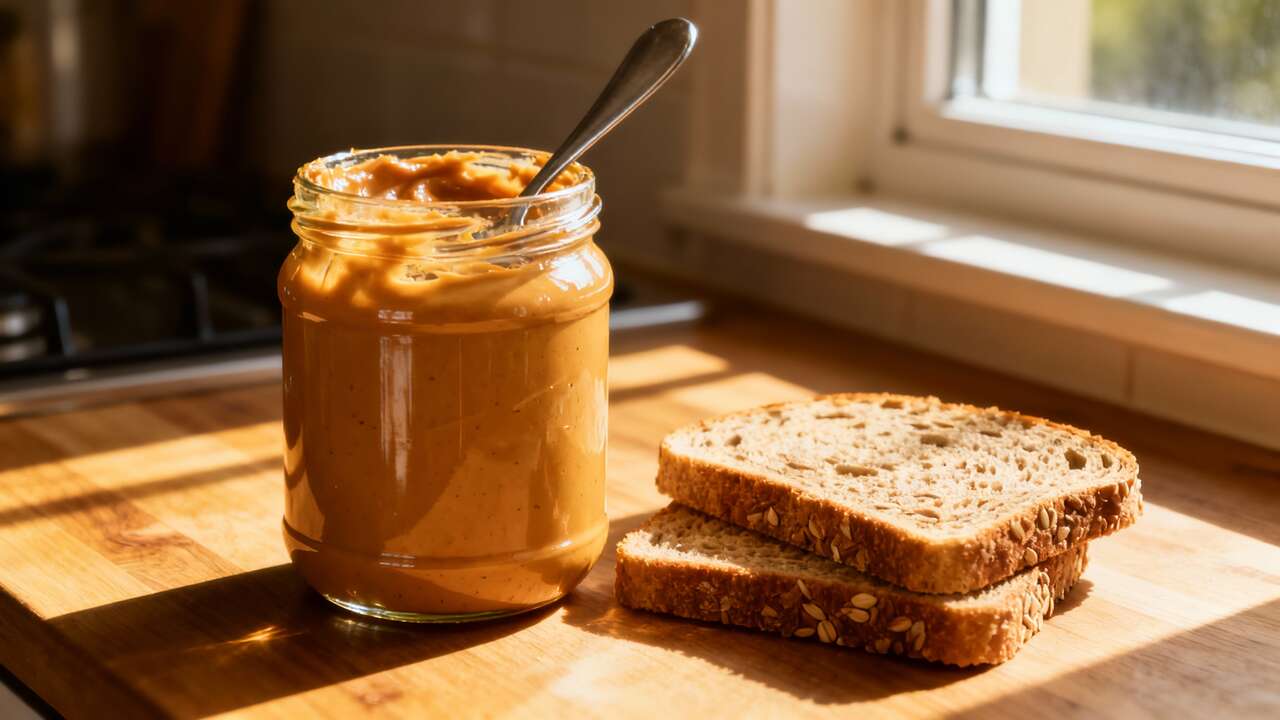

It is a staple in pantries across the nation, a versatile spread beloved for its creamy texture and rich, nutty flavor. Yet, despite its ubiquity, a common question persists among consumers: how long does an opened jar of peanut butter actually last ? The answer is not as straightforward as one might think, as the lifespan of this popular food item depends heavily on its composition, how it is stored, and the habits of the household consuming it. Understanding these variables is crucial for ensuring not only the safety but also the quality of every spoonful.
Shelf Life: key Factors
The Type of Peanut Butter Matters
The primary determinant of an opened jar’s shelf life is its ingredient list. Commercial, processed peanut butters are formulated for a long and stable existence on both store and pantry shelves. Conversely, natural peanut butters, often containing only peanuts and salt, have a different set of storage rules and a shorter window for optimal consumption. The presence or absence of stabilizing agents and preservatives creates a significant divergence in how these products age after being unsealed.
Storage Conditions and Timelines
Where and how a jar is stored after opening plays a critical role in its longevity. Factors such as temperature, exposure to light, and air can accelerate the degradation process. An opened jar of commercial peanut butter can last for several months in a cool, dark pantry, while its natural counterpart benefits greatly from refrigeration. According to food storage guidelines updated in 2025, the expected shelf life varies considerably.
| Type of Peanut Butter | Storage Location | Estimated Shelf Life After Opening |
|---|---|---|
| Commercial (with stabilizers) | Pantry (cool, dark) | 3 to 6 months |
| Commercial (with stabilizers) | Refrigerator | Up to 9 months |
| Natural (no stabilizers) | Pantry (cool, dark) | 2 to 3 weeks |
| Natural (no stabilizers) | Refrigerator | Up to 6 months |
These timelines are estimates for quality. While the product may remain safe to eat for longer, its taste and texture can begin to decline after approximately four months, even for processed varieties. The distinction between these types of peanut butter is rooted in their fundamental composition, which directly influences their stability.
Natural Ingredients vs Preservatives: impact on Longevity
The Role of Stabilizers in Commercial Peanut Butter
Most mainstream peanut butters found in grocery store aisles contain more than just peanuts and salt. To prevent the natural oil from separating and rising to the top, manufacturers add stabilizers, typically in the form of hydrogenated or palm oils. These added fats are solid at room temperature and create a homogenous, consistently creamy texture that requires no stirring. More importantly, these stabilizers act as preservatives, significantly slowing down the process of oxidation, which causes fats to go rancid. This is why a jar of processed peanut butter can sit comfortably in a cabinet for months without any noticeable change in quality.
The Purity and Perishability of Natural Peanut Butter
Natural peanut butter prides itself on a minimalist ingredient list, often just ground peanuts. Without stabilizers, the peanut oil naturally separates over time, forming a layer on top. While this separation is not a sign of spoilage, it does indicate that the oils are more exposed to air. This exposure makes natural peanut butter more susceptible to rancidity. The unsaturated fats in peanuts are prone to oxidation, a chemical reaction that produces off-flavors and odors. Refrigeration slows this process dramatically, preserving the fresh taste of the peanuts for much longer. Some common practices for managing natural peanut butter include:
- Stirring the oil back into the peanut butter upon first opening.
- Storing the jar upside down for a few weeks to allow the oil to naturally reintegrate.
- Consistently refrigerating the jar after each use to protect the delicate oils.
The decision to refrigerate or not is therefore less of a general rule and more a specific requirement based on the product’s ingredients.
Store Peanut Butter in the Fridge or at Room Temperature ?
The Case for the Pantry
For commercial, stabilized peanut butter, pantry storage is perfectly acceptable and often preferred. Storing it at room temperature in a cool, dark place like a cabinet or pantry ensures it remains soft and easily spreadable. Refrigeration can cause these varieties to become hard and difficult to scoop, diminishing the user experience. As long as the jar is consumed within a few months, there is little risk of spoilage. The key is to keep it away from heat sources, such as a stove or a sunny countertop, which can accelerate oil degradation even in stabilized products.
The Argument for Refrigeration
Refrigeration is the undisputed best practice for natural peanut butter. The cold temperature significantly inhibits the oxidation of peanut oils, preventing the development of rancid flavors. While the peanut butter will become firmer in the refrigerator, this is a small trade-off for preserving its quality and extending its life from a few weeks to several months. For those who purchase commercial peanut butter but consume it very slowly over many months, refrigeration can also be a good strategy to maximize freshness, provided they are willing to let it sit out for a few minutes to soften before use.
Ultimately, choosing the right storage method is the first step in preservation, but it is equally important to recognize when the product is no longer fit for consumption.
Signs Your Peanut Butter Has Gone Bad
Trusting Your Senses: Smell and Taste
The most reliable indicators of spoiled peanut butter are detected through smell and taste. Fresh peanut butter has a rich, nutty aroma. When it goes bad, the oils have likely become rancid. Rancid peanut butter will have a distinct and unpleasant odor, often described as smelling like old paint, plastic, or even chemicals. If the smell is off, the taste will be too. A small taste test will reveal a sharp, bitter, and stale flavor that is immediately recognizable as wrong. Do not consume peanut butter that tastes or smells rancid.
Visual and Textural Clues
While less common, visual signs can also signal spoilage. The appearance of mold is a definitive sign that the entire jar must be discarded. This can happen if crumbs or moisture are introduced into the jar from a dirty utensil. Another sign is a significant change in texture. While some hardening in the fridge is normal, peanut butter that has become extremely dry, hard, and crumbly throughout may have gone bad. A very dark color, much darker than when it was purchased, can also indicate that the product is past its prime. It is important to distinguish these signs from the natural oil separation in pure peanut butter, which is perfectly normal.
Observing these signs is crucial, but proactive measures can be taken to prevent them from developing in the first place.
Tips for Optimizing Peanut Butter Storage
Maintain a Clean Environment
One of the easiest ways to prolong the life of your peanut butter is to practice good hygiene. Always use a clean utensil to scoop it out of the jar. Using a knife that has been used for jelly, butter, or other foods can introduce bacteria, moisture, and crumbs, creating a breeding ground for mold and accelerating spoilage. This simple habit can make a significant difference in how long the product remains fresh and safe to eat.
Ensure Proper Sealing and Location
Air is the enemy of freshness. After each use, make sure to screw the lid on the jar tightly. This minimizes the peanut butter’s exposure to oxygen, which slows down the process of oxidation. Furthermore, the storage location is critical. Whether in the pantry or the refrigerator, the ideal spot is away from light and heat. A cabinet far from the stove or a shelf in the back of the fridge is preferable to a spot on the counter next to a sunny window.
A Specific Tip for Natural Varieties
For those who prefer natural peanut butter, dealing with oil separation is a common task. To make remixing easier and maintain a consistent texture, try this tip:
- When you first bring the jar home, store it upside down in the pantry for a day or two before opening.
- This allows the oil at the top to travel back through the ground peanuts.
- When you open it, the contents will be much easier to stir into a smooth, uniform consistency before placing it in the refrigerator for long-term storage.
These storage tips are effective, but there comes a point when every food product reaches the end of its life.
When to Discard Your Jar of Peanut Butter
The “When in Doubt, Throw it Out” Rule
Food safety should always be the top priority. If you have any suspicion that your peanut butter has gone bad—whether due to an off smell, a strange taste, or the appearance of mold—the safest course of action is to discard it immediately. The cost of replacing a jar of peanut butter is negligible compared to the risk of consuming spoiled food. Do not attempt to scrape off mold or eat around suspect parts, as spoilage can affect the entire contents of the jar.
Understanding “Best By” Dates
It is important to understand the labeling on the jar. The “best by” or “use by” date printed on the package is a manufacturer’s estimate of when the product will be at its peak quality, not a strict expiration date for safety. An unopened jar of peanut butter is often perfectly fine for months past this date. However, once the jar is opened, this date becomes less relevant. The clock on its shelf life truly starts ticking from the moment the seal is broken, and its longevity will then depend on the factors of type and storage discussed previously.
Ultimately, the decision to keep or discard a jar should be based on a direct assessment of the product itself, not just the date on the label.
The longevity of an opened jar of peanut butter is a function of its composition and its environment. Processed varieties containing stabilizers offer the convenience of long-term pantry storage, while natural versions require refrigeration to fend off rancidity. Proper handling, such as using clean utensils and sealing the jar tightly, is universally beneficial. Ultimately, your own senses are the most reliable tool for judging freshness, providing the final word on whether that nutty spread is still good enough to enjoy.

- This Dried Fruit Improves Heart Health, Experts Say - 13 November 2025
- 3 Perennials You Should Divide in Autumn for a Healthier Garden Next Year - 13 November 2025
- This Simple Fruit on the Table Naturally Repels Gnats - 12 November 2025