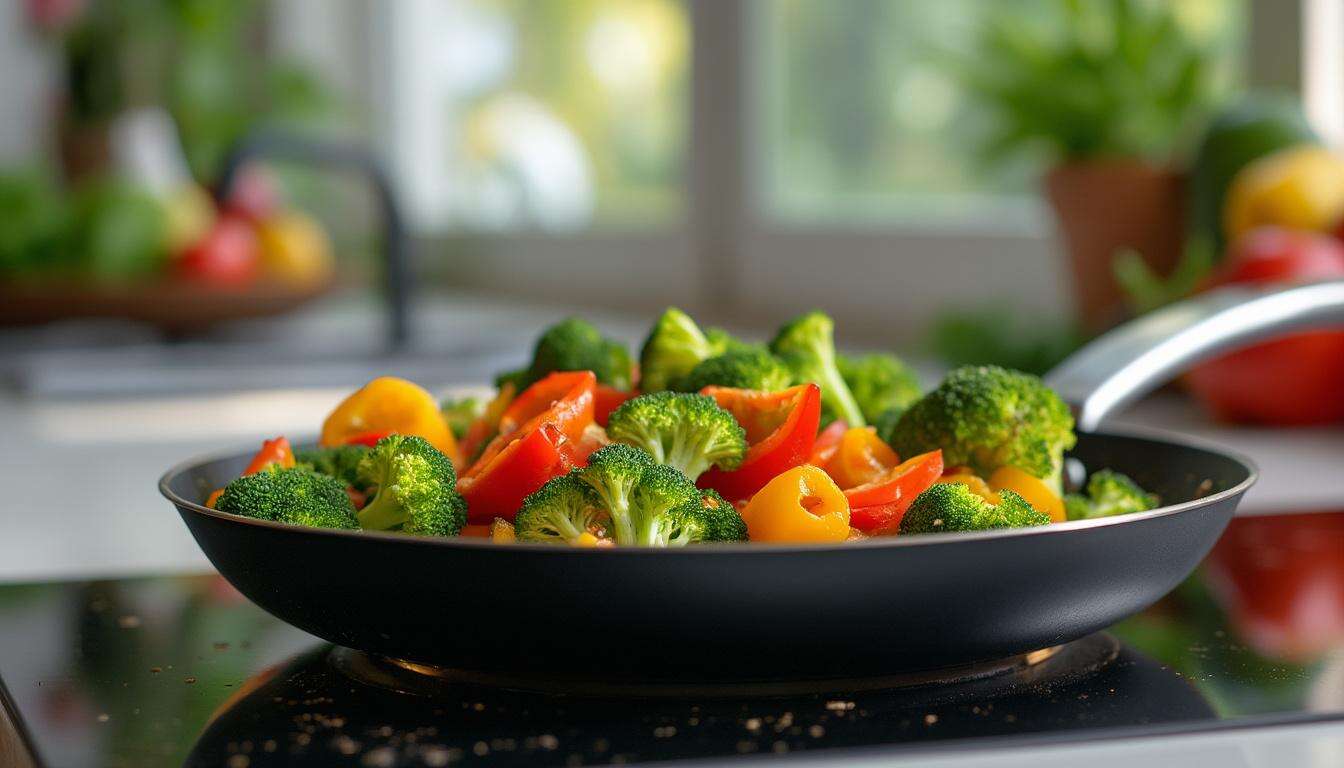

The sizzle of food hitting a hot pan is a sound universally cherished in kitchens, a sound almost always preceded by a slick of oil. Yet, a growing movement in the culinary world, spearheaded by health-conscious chefs and home cooks, is challenging this fundamental step. The art of pan-frying without oil is not about deprivation but about innovation—a shift in technique that unlocks purer flavors and offers significant health benefits. It hinges on understanding the interplay between heat, cookware, and the ingredients themselves, proving that a golden-brown sear and rich flavor are achievable without a single drop of added fat.
The importance of ingredient choices
Harnessing natural fats and moisture
The secret to cooking without oil often lies within the ingredients themselves. Many foods are naturally equipped with enough fat or water to cook beautifully on their own. For animal proteins, selecting cuts with a higher fat content is key. A piece of salmon, for example, will release its own healthy oils into a hot pan, crisping the skin perfectly while keeping the flesh moist. The same principle applies to well-marbled steaks or ground meat with a higher fat percentage; the fat renders out, creating its own cooking medium and preventing sticking.
For vegetables, the strategy shifts from fat to moisture. Many vegetables have a high water content that, when heated, turns to steam and creates a temporary nonstick barrier. This method works exceptionally well for a variety of produce:
- Mushrooms: When placed in a hot, dry pan, mushrooms initially release a surprising amount of liquid, which helps them cook evenly before they begin to brown and caramelize.
- Onions and Bell Peppers: These staples of many cuisines soften and release their natural sugars and water, creating a flavorful, caramelized base without any oil.
- Zucchini and Eggplant: Their spongy texture and high moisture content allow them to steam and soften effectively before searing.
The role of flavorful liquids
For leaner proteins or less watery vegetables, a small amount of liquid is the perfect substitute for oil. This is where you can build layers of flavor. Instead of reaching for plain water, consider using vegetable or chicken broth to add savory depth. A splash of soy sauce or tamari can introduce a salty, umami element, while a bit of wine or citrus juice can deglaze the pan. Deglazing is the process of adding liquid to a hot pan to lift the caramelized, flavorful bits of food (the fond) stuck to the bottom, incorporating them back into the dish. This technique not only prevents sticking but is also a cornerstone of creating rich, complex sauces and flavors without the need for fat.
By making intelligent choices before you even turn on the stove, you set the stage for a successful and flavorful oil-free cooking experience. The ingredients do much of the work for you, providing the necessary fat or moisture to interact with the heat of the pan. This foundation in smart ingredient selection naturally leads to exploring the specific methods that bring these choices to life.
Alternative cooking techniques
Mastering the dry sear
The dry sear, or dry-frying, is a technique that relies on a properly heated pan to achieve a perfect crust on food through the Maillard reaction. This chemical reaction between amino acids and reducing sugars is what gives browned food its distinctive flavor. To do this, you must preheat your pan thoroughly over medium-high heat. When the pan is hot enough, place your food directly onto the surface. It will stick at first—this is normal and expected. Resist the urge to move it. After a few minutes, the food will develop a crust and naturally release from the pan, allowing you to flip it easily. This method is ideal for steaks, chicken breasts, firm tofu, and vegetables like broccoli florets or asparagus.
Sautéing with water or broth
Sautéing is traditionally associated with a generous amount of oil, but it can be done just as effectively with a liquid. The technique, sometimes called “steam-frying,” involves adding just a tablespoon or two of water or broth to a hot pan along with your ingredients. As the liquid evaporates, it steams the food and prevents it from sticking. You must work actively, stirring the food and adding more liquid as needed to keep the pan from becoming completely dry. This method is perfect for aromatics like garlic and onions, as well as for stir-fries. The key difference lies in the calorie and fat content, as illustrated below.
| Cooking Medium (1 Tablespoon) | Approximate Calories | Total Fat (grams) |
|---|---|---|
| Olive Oil | 120 | 14 |
| Vegetable Broth | 2 | 0 |
| Water | 0 | 0 |
Embracing the power of steam
A simple lid is one of the most powerful tools for oil-free cooking. After searing your ingredients, adding a small amount of liquid and covering the pan traps steam. This trapped steam circulates, cooking the food gently and thoroughly without the need for additional fat. This is an excellent way to cook vegetables to a tender-crisp texture or to ensure a thick piece of chicken or fish is cooked through to the center after it has been seared on both sides. It combines the flavor development of searing with the gentle cooking power of steaming.
Of course, applying these techniques is far more effective when you are using the right tools for the job. The type of pan you choose can be the difference between a perfectly seared meal and a frustrating, sticky mess.
Preferred cookware
The indispensability of nonstick pans
For those new to oil-free cooking, a high-quality nonstick pan is the most forgiving and reliable piece of cookware. Modern nonstick surfaces, whether ceramic or Teflon-based, are engineered to create a barrier that prevents food from adhering, making them ideal for cooking delicate items like eggs or fish fillets without any fat. When choosing a nonstick pan, look for one with a heavy, sturdy base that ensures even heat distribution, which is critical for preventing hot spots that can cause food to burn. Proper care, such as avoiding metal utensils and harsh cleaning pads, is essential to preserve the pan’s nonstick capabilities.
Working with stainless steel and cast iron
While more challenging, cooking without oil in stainless steel or cast iron pans is entirely possible and often preferred by experienced chefs for the superior sear they can produce. The key to success with these materials is heat management. A stainless steel pan must be preheated until a drop of water beads up and skates across the surface before any food is added. For cast iron, a well-seasoned skillet develops a natural nonstick patina over time. Both require patience; you must allow the food to cook undisturbed until it forms a crust and releases naturally from the surface. These pans are workhorses in the kitchen and, once mastered, offer incredible versatility.
Innovations in modern appliances
The movement toward healthier cooking has also spurred technological innovation. The air fryer has become a popular kitchen appliance precisely because it mimics the results of deep-frying using only circulating hot air. It can create a crispy exterior on everything from potatoes to chicken wings without submerging them in oil, making it an excellent tool for anyone looking to reduce their fat intake. These appliances demonstrate how modern technology can support traditional cooking goals in a healthier way.
Having the right cookware and techniques is half the battle. The other half is ensuring the final dish is as delicious and satisfying as its oil-cooked counterpart, which requires a focus on building flavor through other means.
Tips for achieving flavor without oil
Amplify with herbs and spices
When you remove fat, which is a major carrier of flavor, you need to compensate with other sources. This is where your spice rack becomes your best friend. Toasting whole spices like cumin or coriander seeds in a dry pan for a minute before you begin cooking releases their aromatic oils and deepens their flavor. Seasoning generously with dried herbs and spices during the cooking process is crucial. For a final burst of freshness, finish your dish with freshly chopped herbs like parsley, cilantro, or basil just before serving. Their vibrant taste can elevate a simple dish to something extraordinary.
Build a foundation with aromatics
Starting your dish with a base of well-browned aromatics is a classic culinary technique that becomes even more important in oil-free cooking. Finely diced onions, carrots, and celery—the traditional mirepoix—can be “sautéed” in a small amount of broth until they are soft and caramelized. Adding garlic, ginger, or chili in the last minute of cooking prevents them from burning while allowing them to release their potent flavors. This aromatic foundation provides a savory depth that can form the backbone of soups, stews, sauces, and stir-fries.
Harness the power of umami
Umami, the fifth taste, is often described as savory or meaty, and it is a powerful tool for adding satisfaction to oil-free dishes. Ingredients rich in umami can make a meal feel richer and more complex. Consider incorporating some of these elements into your cooking:
- Soy sauce or tamari: Adds saltiness and a deep, fermented savory flavor.
- Miso paste: Brings a complex, salty, and funky depth, especially to soups and glazes.
- Nutritional yeast: A deactivated yeast with a cheesy, nutty flavor that is excellent sprinkled over vegetables or blended into sauces.
- Mushrooms: Especially varieties like shiitake or porcini, which are packed with savory flavor.
With these flavor-building strategies in your arsenal, you can create dishes that are just as satisfying as those cooked with oil. However, as with any new skill, there is a learning curve, and a few common pitfalls can trip up even the most enthusiastic cook.
Mistakes to avoid when cooking without oil
Using a cold or improperly heated pan
The single most common mistake when attempting to pan-fry without oil is starting with a cold pan. Placing food in a pan that is not hot enough is a surefire way to make it stick, especially with stainless steel or cast iron. Heat is your primary tool for creating a nonstick surface. Always allow your pan several minutes to preheat over medium to medium-high heat before adding any ingredients. This ensures that when the food makes contact, it immediately begins to sear and form a crust rather than fusing to the metal.
Overcrowding the cooking surface
Putting too much food in the pan at once is another frequent error. Overcrowding lowers the temperature of the pan and causes the food to steam in its own juices instead of searing. This results in a pale, soggy product rather than a nicely browned one. To achieve a proper sear, cook in batches if necessary, ensuring there is enough space between each piece of food for moisture to escape and for the surfaces to make direct contact with the hot pan. It may take a little longer, but the results are vastly superior.
Being impatient and moving food too soon
When you place food in a hot, dry pan, a natural bond forms between the food and the metal. The temptation to immediately try to move it or flip it can be strong, but this will only cause it to tear and leave much of it stuck to the pan. You must trust the process. Allow the food to cook undisturbed for several minutes. As the Maillard reaction occurs and a crust develops, the food will naturally release from the pan. A gentle nudge with a spatula will tell you when it’s ready to be moved or flipped.
Pan-frying without oil is a technique that shifts the focus from fat as a crutch to a more nuanced understanding of heat, ingredients, and flavor development. By selecting the right foods and cookware and mastering methods like dry-searing and broth-sautéing, it is entirely possible to create dishes that are both healthy and deeply flavorful. Avoiding common mistakes such as starting with a cold pan or overcrowding the surface will ensure a crisp, golden-brown result. Ultimately, this approach is not about restriction but about expanding your culinary skills to make conscious, delicious choices in the kitchen.

- This Dried Fruit Improves Heart Health, Experts Say - 13 November 2025
- 3 Perennials You Should Divide in Autumn for a Healthier Garden Next Year - 13 November 2025
- This Simple Fruit on the Table Naturally Repels Gnats - 12 November 2025