
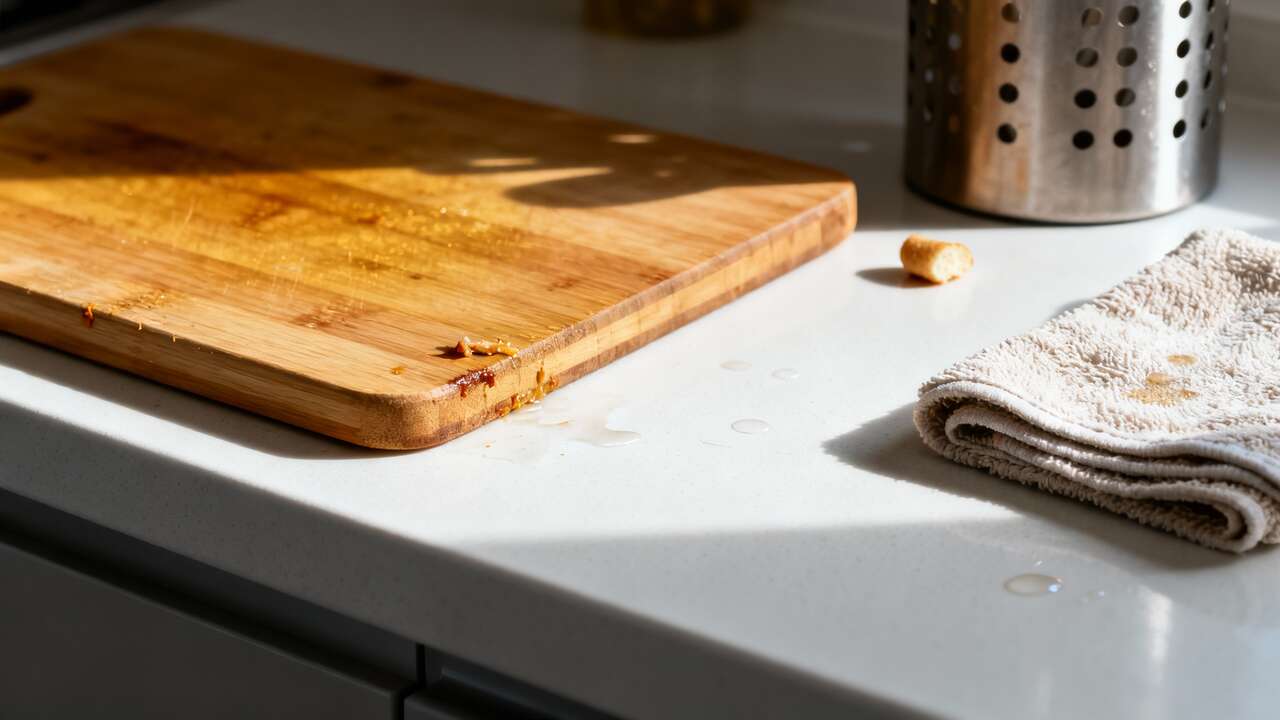

Many homeowners believe their kitchen is the cleanest room in the house, a sanctuary of sanitation where meals are safely prepared. However, extensive research reveals a startling truth: the very tools and surfaces we rely on for cleaning often harbor more bacteria than a toilet bowl. A recent study highlighted that common kitchen items are frequently contaminated with coliform bacteria, a family of bacteria that includes E. coli, indicating potential fecal contamination. This unseen world of germs thrives in places we least expect, turning seemingly spotless countertops and sinks into microbiological hotspots. Understanding where these pathogens lurk and how to properly eliminate them is not just a matter of cleanliness, but a critical component of household health and safety.
Unseen areas where germs accumulate
The deception of a clean appearance
A visually tidy kitchen can be profoundly misleading. Surfaces that gleam under the lights may still be teeming with microscopic life. The primary issue is that many cleaning routines focus on visible messes, like crumbs and spills, while ignoring the invisible buildup of bacteria, yeast, and mold. High-touch areas are particularly notorious for accumulating germs. These are the spots that family members interact with multiple times a day, transferring microbes from their hands to the surface and vice versa. While a countertop might be wiped down, the handles and knobs used to access cabinets and appliances are often forgotten, becoming reservoirs of contamination.
High-touch, low-clean zones
Certain spots in the kitchen serve as transfer points for germs due to their frequent use and infrequent cleaning. These areas require dedicated attention in any sanitation routine. Some of the most common culprits include:
- Refrigerator and freezer handles: Touched before, during, and after cooking, often with hands that have handled raw ingredients.
- Cabinet knobs and pulls: Accessed constantly throughout the day for retrieving dishes, glasses, and pantry items.
- Microwave and oven controls: Buttons and handles on these appliances are prime real estate for bacteria from food-splattered fingers.
- Light switches: Often the first thing touched upon entering and the last thing upon leaving, these switches accumulate germs from everyone in the household.
These surfaces should be disinfected daily, especially during food preparation, to break the cycle of cross-contamination.
The coffee maker’s hidden reservoir
The coffee maker is a daily staple in millions of homes, yet its internal components are rarely cleaned. The warm, dark, and moist environment inside the water reservoir and internal tubing creates an ideal breeding ground for mold and yeast. Studies have found that coffee reservoirs can contain a higher germ count than some bathroom fixtures. These microbes can then be transferred into your morning coffee. To keep it safe, the machine should be regularly decalcified and sanitized by running a cycle with a solution of equal parts water and white vinegar, followed by several cycles of fresh water to rinse it thoroughly.
While these overlooked spots are significant, one common kitchen tool stands out as the single most contaminated item in most homes, posing a direct threat every time it is used.
The kitchen sponge: a breeding ground for bacteria
More than just a cleaning tool
The humble kitchen sponge is designed for cleaning, but its very structure makes it a five-star hotel for microbes. Its porous material is perfect for trapping food particles, and it remains damp for long periods, creating the perfect trifecta for bacterial growth: food, water, and shelter. Research has consistently shown that a used kitchen sponge can harbor billions of bacteria per square inch, making it one of the germiest objects in the entire home. Unlike a non-porous surface that can be easily wiped clean, the sponge’s intricate network of holes makes it nearly impossible to fully decontaminate with a simple rinse. Each time it’s used to wipe a counter, it can spread a film of bacteria rather than remove it.
A microbiological snapshot
The types of bacteria found in kitchen sponges are not just harmless microbes; they often include pathogens capable of causing foodborne illness. The concentration of these bacteria can be staggering, far exceeding levels found in other notorious household locations.
| Bacteria Type | Potential Health Risk | Prevalence Level |
|---|---|---|
| Campylobacter | Gastrointestinal illness | High |
| Salmonella | Food poisoning, fever | Moderate |
| E. coli | Stomach cramps, diarrhea | Moderate |
| Staphylococcus aureus | Skin infections, food poisoning | High |
This data underscores the importance of treating the sponge not as a permanent cleaning tool but as a disposable item that requires frequent replacement and daily sanitization.
Safer alternatives and proper care
Given the risks, experts recommend moving away from traditional cellulose sponges or, at the very least, adopting a strict hygiene protocol. To sanitize a sponge, you can either run it through a full cycle in the dishwasher with a heated dry setting or wet it and microwave it on high for one to two minutes. Be extremely careful when removing it, as it will be very hot. A better long-term solution is to switch to alternatives that are easier to clean and dry. Options include:
- Silicone scrubbers: They are non-porous, dry quickly, and can be easily sanitized in the dishwasher.
- Dish brushes with nylon bristles: These dry faster than sponges and trap fewer food particles.
- Reusable cloths or Swedish dishcloths: These can be washed in the washing machine with hot water and bleach to kill germs effectively.
Regardless of the tool, it must be allowed to dry completely between uses to inhibit bacterial growth.
Understanding the immense bacterial load of a kitchen sponge naturally leads to the need for a broader, more effective cleaning strategy for the entire kitchen.
Effective cleaning plan to eliminate germs
A systematic approach to kitchen sanitation
A truly clean kitchen is the result of consistent habits, not occasional deep cleans. An effective plan involves daily, weekly, and monthly tasks to keep germs at bay. Daily tasks should include wiping down countertops with a disinfectant, washing the sink with soap and hot water, and cleaning up spills immediately. Weekly tasks involve a more thorough cleaning of appliances, disinfecting handles and knobs, mopping the floor, and sanitizing or replacing sponges and dishcloths. Monthly, you should clean out the refrigerator, descale the coffee maker, and clean the inside of the microwave and oven.
Disinfection vs. cleaning: knowing the difference
Many people use the terms “cleaning” and “disinfecting” interchangeably, but they are fundamentally different processes. Cleaning refers to the physical removal of dirt, debris, and food particles from a surface, typically using soap and water. This step is essential because it removes the organic matter that germs feed on. Disinfecting, on the other hand, refers to the use of chemicals to kill germs on a surface. For disinfection to be effective, the surface must be cleaned first. A common mistake is spraying a disinfectant on a dirty counter and immediately wiping it away. Most disinfectants require a specific contact time, often several minutes, to effectively kill pathogens. Always read the product label for proper instructions.
Targeting the top contaminants
To maintain a hygienic kitchen, focus your efforts on the areas with the highest risk. The kitchen sink, for example, is a major hotspot. According to one study, nearly half of all kitchen sinks contain coliform bacteria. To clean it properly, first scrub it with soap and water, then spray it with a disinfectant and let it sit before rinsing. Once a week, you can sanitize the drain by pouring a cup of boiling water down it. For cutting boards, especially after use with raw meat, wash with hot, soapy water and a scrub brush. For deeper disinfection, sprinkle dishwasher powder on the wet board, let it sit for about ten minutes, and then rinse thoroughly.
Implementing a solid cleaning plan is crucial, but it can be easily undermined by common mistakes that reintroduce and spread germs throughout the kitchen.
Common mistakes to avoid in the kitchen
Cross-contamination: the invisible threat
Cross-contamination is one of the most significant yet preventable causes of foodborne illness. It occurs when bacteria are transferred from one surface or food item to another. The classic example is using the same cutting board and knife for raw chicken and then for fresh vegetables without washing them in between. To prevent this, use separate cutting boards for raw meats and produce, preferably color-coded. Always wash your hands, knives, and any surfaces with hot, soapy water after they come into contact with raw meat, poultry, or seafood. A simple rinse is not enough to remove dangerous bacteria like Salmonella or Campylobacter.
The fallacy of a quick rinse
Many people believe that a quick rinse with water is sufficient to clean a dish, a utensil, or even their hands. This is a dangerous misconception. Water alone does little to remove greasy residues or kill bacteria. Soap is critical because it breaks down fats and oils, allowing them to be washed away along with trapped germs. For surfaces and tools, hot water combined with vigorous scrubbing is necessary to dislodge food particles and microbes. For hands, the recommendation is to scrub with soap for at least 20 seconds to ensure they are truly clean before handling food.
Neglecting small appliances and gadgets
While the stove and refrigerator get most of the attention, smaller kitchen gadgets are often overlooked and can become havens for germs. The rubber gasket and blade assembly of a blender can trap old food particles and grow mold. Can openers, especially the wheel that cuts the lid, can accumulate food residue and rust. Even the salt and pepper shakers, which are handled by everyone at the table, are rarely wiped down. These items should be disassembled and cleaned according to the manufacturer’s instructions regularly to prevent them from contaminating your food.
Avoiding these common errors is a major step forward, and you can enhance your cleaning regimen further by incorporating powerful, yet safe, natural products.
Natural products for effective disinfection
The power of vinegar and baking soda
For those wary of harsh chemicals, common household staples offer effective natural cleaning solutions. White vinegar, due to its acetic acid content, is a mild disinfectant that can kill some types of bacteria and dissolve mineral deposits. It is excellent for cleaning glass, descaling coffee makers, and wiping down countertops (though it should be avoided on natural stone like marble or granite, as the acid can cause etching). Baking soda is a fantastic gentle abrasive and a natural deodorizer. A paste of baking soda and water can be used to scrub sinks, pots, and pans without scratching. When combined, vinegar and baking soda create a fizzing reaction that can help loosen grime in drains.
Harnessing heat and steam
Heat is one of the most effective and natural sanitizers available. The high temperatures of a dishwasher’s sanitizing cycle are sufficient to kill most household germs on dishes and cutting boards. For drains, pouring boiling water down them weekly helps to melt away grease buildup and kill odor-causing bacteria. A household steam cleaner can also be a powerful tool for sanitizing non-porous surfaces like sealed floors, tile backsplashes, and countertops. The high-pressure steam kills bacteria and loosens grime without the need for any chemical cleaners, making it a safe option for homes with children and pets.
Essential oils and other natural agents
While not a replacement for registered disinfectants, some essential oils possess antimicrobial properties that can be useful for light cleaning and deodorizing. Tea tree oil, lemon oil, and lavender oil are known for their antibacterial qualities. A few drops can be added to a spray bottle of water and vinegar to create a pleasant-smelling, all-purpose cleaner for daily wipe-downs. It is important to remember that these are best for routine cleaning, not for disinfecting surfaces that have come into contact with high-risk foods like raw meat. For heavy-duty disinfection, a product proven to kill foodborne pathogens is still the safest choice.
Using the right products is important, but their effectiveness ultimately depends on the daily habits and routines established in the kitchen.
Adopting rigorous hygiene habits
The importance of handwashing
The single most important hygiene habit to prevent the spread of germs in the kitchen is proper handwashing. Hands are the primary vehicle for transferring microbes from surfaces to food and from food to people. It is crucial to wash hands thoroughly with soap and warm water for at least 20 seconds at several key moments: before starting food preparation, after handling raw meat, poultry, or eggs, and before eating. Keeping a dedicated hand towel, separate from the dish towel, and washing it frequently is also essential to prevent re-contaminating clean hands.
Changing cleaning tools regularly
Cleaning tools can only be effective if they are clean themselves. Using a dirty sponge or a soiled dishcloth to wipe down a surface will only spread germs around. It is vital to establish a schedule for cleaning and replacing these items to maintain a hygienic environment. A general guideline is:
- Sponges: Sanitize daily and replace every one to two weeks.
- Dishcloths and reusable wipes: Replace with a clean one every day and launder in hot water.
- Scrub brushes: Wash in the dishwasher weekly and replace every few months or when bristles become worn.
This regular turnover ensures that your cleaning tools are removing germs, not redistributing them.
Creating a culture of cleanliness
Ultimately, a safe kitchen relies on a shared understanding and commitment to hygiene from everyone in the household. It should be viewed not as a burdensome chore but as a fundamental aspect of caring for one another’s health. This involves teaching all family members, including children, about proper handwashing, the dangers of cross-contamination, and the importance of cleaning up after themselves. When everyone participates, rigorous hygiene becomes a seamless and natural part of the daily routine, creating a kitchen environment that is not just visibly clean but genuinely safe for everyone.
The kitchen often harbors more germs than any other room, with items like sponges and sinks serving as major bacterial hotspots. Deceivingly clean surfaces can mislead, making it crucial to understand the difference between cleaning and disinfecting. By avoiding common mistakes like cross-contamination, adopting a systematic cleaning plan, and cultivating rigorous personal hygiene habits, it is possible to transform the kitchen from a potential source of illness into a truly safe and healthy heart of the home.

- This Dried Fruit Improves Heart Health, Experts Say - 13 November 2025
- 3 Perennials You Should Divide in Autumn for a Healthier Garden Next Year - 13 November 2025
- This Simple Fruit on the Table Naturally Repels Gnats - 12 November 2025