
It is a familiar scene in kitchens everywhere: a pile of freshly peeled and sliced potatoes, left on the cutting board for just a few moments, begins to develop unappetizing grey or blackish patches. This discoloration, while common, is often misunderstood. It is not a sign of spoilage but rather a simple and rapid chemical reaction. When a potato is cut, its cells are ruptured, exposing enzymes to the oxygen in the air. This encounter triggers a process known as oxidation, transforming the pristine white flesh of the potato into a mottled, discolored state that can detract from the visual appeal of the final dish. Understanding the science behind this transformation is the first step toward preventing it.
Understanding Why Potatoes Turn Black
The Science of Enzymatic Browning
The culprit behind the browning of potatoes is an enzyme called polyphenol oxidase, often abbreviated as PPO. This enzyme is present in the cells of many fruits and vegetables, including apples, avocados, and, of course, potatoes. In an intact potato, the PPO is kept separate from other compounds called phenols. However, when you peel, slice, or bruise a potato, you break down these cell walls. This damage allows the PPO, the phenols, and the oxygen from the atmosphere to mix. The PPO acts as a catalyst, speeding up a reaction between the phenols and oxygen. This reaction creates new molecules that link together to form polymers, which appear as brown, grey, or black pigments on the potato’s surface. This entire process is known as enzymatic browning and serves as a natural defense mechanism for the plant, creating a barrier that can deter pests and seal the “wound”.
Factors Influencing the Reaction Speed
Several factors can influence how quickly potatoes turn black. The specific variety of potato plays a role, as some types contain higher concentrations of PPO and phenols than others. For instance, starchy potatoes like russets tend to brown more quickly than waxy varieties. The temperature is also a key factor. The enzymatic reaction happens fastest at warm, room-like temperatures. Furthermore, the pH level of the potato’s surface can either accelerate or slow down the process. The PPO enzyme is most active in a neutral pH range, which is typical for a potato. Altering these conditions is the key to controlling the browning effect.
Knowing that this discoloration is a chemical reaction driven by specific enzymes and environmental conditions leads to a crucial question: what are the precise triggers that initiate and accelerate this unwanted process ?
Exploring the Causes of Oxidation
The Critical Role of Oxygen
The primary trigger for enzymatic browning is exposure to oxygen. Without it, the reaction simply cannot occur. This is why a whole, unpeeled potato can be stored for weeks without discoloration; its skin provides a natural barrier that prevents oxygen from reaching the flesh inside. The moment that barrier is broken by a peeler or a knife, the clock starts ticking. The more surface area that is exposed to the air, the faster the browning will occur. This explains why shredded potatoes for hash browns or thinly sliced potatoes for gratins seem to discolor almost instantly. The goal of any preventative measure is, therefore, to create a new barrier between the potato’s flesh and the surrounding air.
The Impact of Temperature and pH
As with most enzymatic reactions, temperature and pH levels are critical variables. The PPO enzyme has an optimal temperature and pH range where it functions most efficiently. Unfortunately for home cooks, this optimal range often includes typical room temperatures and the neutral pH of a potato. Lowering the temperature, such as by placing potatoes in the refrigerator, can significantly slow down the enzyme’s activity. Similarly, altering the pH by introducing an acid can disrupt the enzyme’s structure, rendering it less effective. The table below illustrates how different conditions affect the rate of oxidation.
| Condition | Effect on Oxidation Rate | Reason |
|---|---|---|
| High Oxygen Exposure (e.g., shredded potatoes) | Accelerates | More oxygen is available for the enzymatic reaction. |
| Warm Temperature (Room Temperature) | Accelerates | Enzyme PPO is highly active in this temperature range. |
| Low Temperature (Refrigeration) | Inhibits | Slows down the molecular activity of the enzyme. |
| Low pH (Acidic Environment) | Inhibits | Acid denatures the enzyme, changing its shape and function. |
| High pH (Alkaline Environment) | Inhibits | An alkaline environment also denatures the enzyme. |
With a clear understanding of what causes and accelerates this browning, we can now turn to practical, effective methods for counteracting it in the kitchen.
Solutions to Prevent Browning
The Cold Water Method
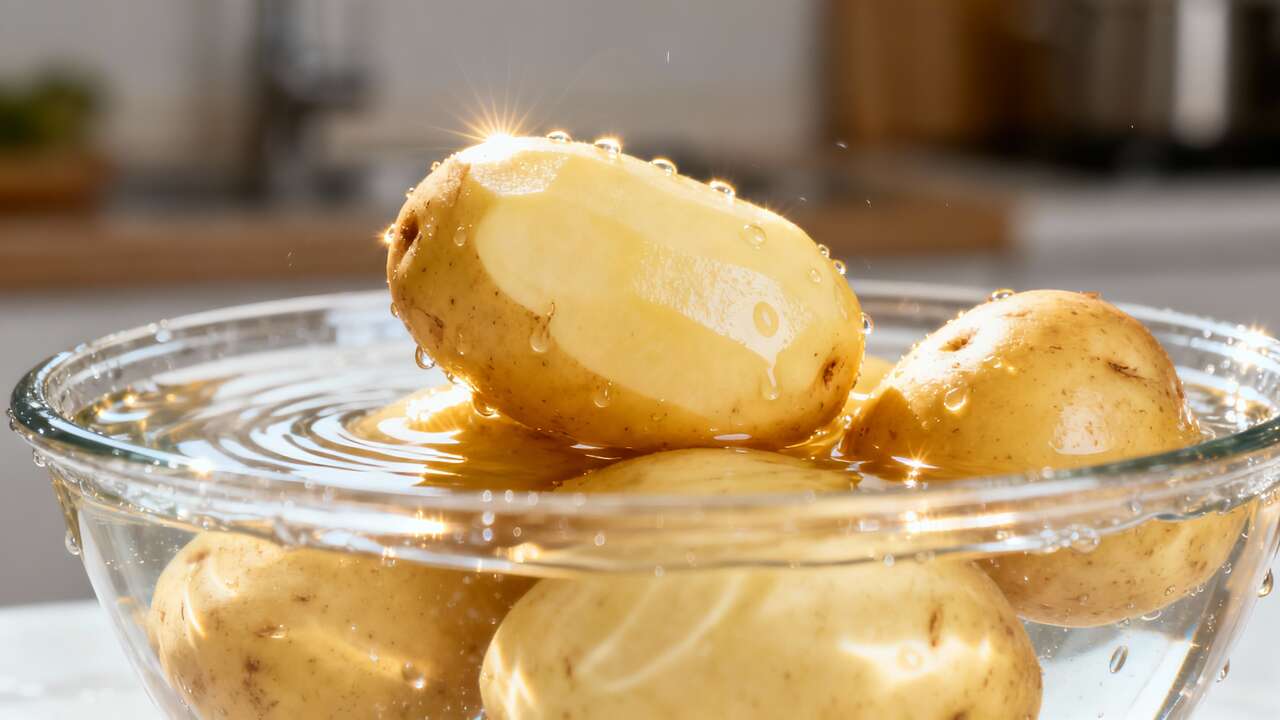
One of the simplest and most common solutions is to submerge peeled and cut potatoes in a bowl of cold water. This technique works on two levels. First, it creates a physical barrier, preventing oxygen in the air from coming into contact with the potato’s surface. Second, the cold temperature of the water helps to slow down the enzymatic reaction. For this method to be effective, ensure the potatoes are completely submerged. A few stray pieces floating on the surface will still brown. This is an excellent short-term solution for holding prepped potatoes while you finish other kitchen tasks. For longer storage, up to 24 hours, the water-filled container can be placed in the refrigerator.
Using Acidity to Your Advantage
Since the PPO enzyme is less effective in an acidic environment, adding a mild acid to the soaking water is a highly effective strategy. This lowers the pH of the water and the potato’s surface, disrupting the enzyme’s ability to function. Common household acids work very well for this purpose.
- Lemon Juice: Add a tablespoon of lemon juice to a bowl of water. This is a great option, but be mindful that it can impart a slight citrus flavor, which may not be suitable for all recipes.
- Vinegar: White vinegar is another excellent choice. Use about a teaspoon per quart of water. Like lemon juice, it can leave a subtle acidic taste, so it is best used when that flavor profile complements the final dish.
Rinsing the potatoes before cooking can help minimize any residual taste from the acidic soak.
The Saline Solution
Submerging potatoes in salt water is another popular and effective technique. A saline solution works by slowing down the PPO enzyme’s activity. For this method, dissolve about one teaspoon of salt per quart of cold water and add the cut potatoes. It is important not to let them soak for too long, as the potatoes can absorb some of the salt and become slightly soft. It is generally recommended not to exceed 24 hours of soaking. This method is particularly useful for potatoes destined for boiling or savory dishes where a little extra salt is welcome.
While these methods are effective and widely used, there is another, less-common technique that offers excellent results, particularly for certain types of dishes.
The Little-Known Secret to Keeping Potatoes Fresh
The Power of Cream of Tartar
A surprisingly effective, yet often overlooked, ingredient for preventing potato browning is cream of tartar. This fine white powder, known scientifically as potassium bitartrate, is a byproduct of winemaking. While commonly used in baking to stabilize egg whites or act as a leavening agent, its acidic properties make it a formidable opponent of enzymatic browning. Adding a teaspoon or two of cream of tartar to a bowl of water creates a mild acidic solution that effectively inhibits the PPO enzyme without imparting a strong flavor like vinegar or lemon juice can.
How and Why It Works
The secret to cream of tartar’s effectiveness lies in its chemical nature. It is an acid salt, which means it lowers the pH of the water significantly enough to denature the browning enzyme. The process is simple:
- Fill a large bowl with cold water.
- Add one to two teaspoons of cream of tartar and stir to dissolve.
- Place your peeled and cut potatoes into the solution, ensuring they are fully submerged.
- Let them soak until you are ready to use them.
Before cooking, simply drain the potatoes and give them a quick rinse. This method is particularly celebrated in recipes for dishes like scalloped potatoes, where it not only prevents discoloration but is also believed to help the potato slices hold their shape during baking, resulting in a superior texture.
The practical application of this secret ingredient, as well as the more traditional methods, becomes even clearer when considered in the context of specific, popular potato dishes.
How This Tip Applies to Common Recipes
Perfecting French Fries and Roasted Potatoes
For recipes like french fries or roasted potatoes, where a crisp exterior is paramount, preventing browning during prep is crucial. Soaking cut potatoes in cold water is the standard method here. It not only stops oxidation but also serves a second, vital purpose: it rinses away excess surface starch. Removing this starch is the key to achieving fries that are fluffy on the inside and perfectly crispy on the outside. After soaking, it is absolutely essential to dry the potatoes thoroughly before they go into the hot oil or oven. Water and hot oil are a dangerous combination, and excess moisture will steam the potatoes instead of frying or roasting them, leading to a soggy result.
Keeping Potato Salad and Mashed Potatoes Bright
When making potato salad or mashed potatoes, appearance is key. No one wants to see greyish lumps in their dish. For these recipes, the choice of preventative method depends on the desired flavor profile. A simple cold water soak is often sufficient. However, if prepping well in advance, the cream of tartar method is an excellent choice as it will not alter the savory flavor of the final dish. A salt water soak also works well, especially for mashed potatoes, as the potatoes will be boiled in salted water anyway. Avoid using lemon juice or vinegar unless a tangy note is a desired component of your potato salad dressing.
Ensuring Flawless Gratins and Scalloped Dishes
In layered dishes like gratins or scalloped potatoes, each slice is on display. Here, the cream of tartar trick truly shines. As mentioned, it not only keeps the thinly sliced potatoes pearly white but also helps maintain their structural integrity during the long baking process. This prevents the slices from turning into a mushy, indistinct mass. A simple cold water soak is a good alternative, but for the best possible texture and appearance in an elegant dish, the cream of tartar solution is a professional-level tip worth adopting.
Beyond aesthetics and texture, some may wonder if there are any health-related reasons to prevent potatoes from turning black.
The Health Implications of Blackened Potatoes
Are Oxidized Potatoes Safe to Eat ?
The most pressing question for many home cooks is whether these discolored potatoes are still safe to consume. The answer is a resounding yes. The browning process is a harmless enzymatic reaction and does not involve the growth of bacteria or the production of any harmful toxins. A blackened potato is perfectly safe to eat, and once cooked, the discoloration often becomes much less noticeable. The primary reason to prevent it is purely for cosmetic purposes; we eat with our eyes first, and bright, clean-looking food is simply more appetizing.
Nutritional Impact of Browning
While not harmful, the oxidation process can have a minor impact on the nutritional content of the potato. The browning reaction can lead to a slight degradation of certain vitamins, most notably vitamin C, which is sensitive to oxygen exposure. However, the loss is generally considered to be minimal and not a significant concern for overall nutrition. The most noticeable changes are not to health value but to the sensory qualities of the potato. Oxidized potatoes can sometimes develop a slightly bitter taste and a softer, mushier texture after cooking compared to their unoxidized counterparts. Therefore, preventing browning is less about safety and more about preserving the optimal taste, texture, and visual appeal of your culinary creations.
The dark discoloration on raw potatoes is a natural, harmless chemical reaction caused by enzymes meeting oxygen. This enzymatic browning, while safe, can be easily prevented to improve the appearance, taste, and texture of a dish. Simple methods like soaking in cold water, salt water, or a mild acidic solution are highly effective. For an even better result with no flavor impact, the little-known technique of using cream of tartar offers a superior way to keep potatoes looking pristine. By employing these straightforward kitchen strategies, any cook can ensure their potato dishes are as beautiful as they are delicious.

- This Dried Fruit Improves Heart Health, Experts Say - 13 November 2025
- 3 Perennials You Should Divide in Autumn for a Healthier Garden Next Year - 13 November 2025
- This Simple Fruit on the Table Naturally Repels Gnats - 12 November 2025