
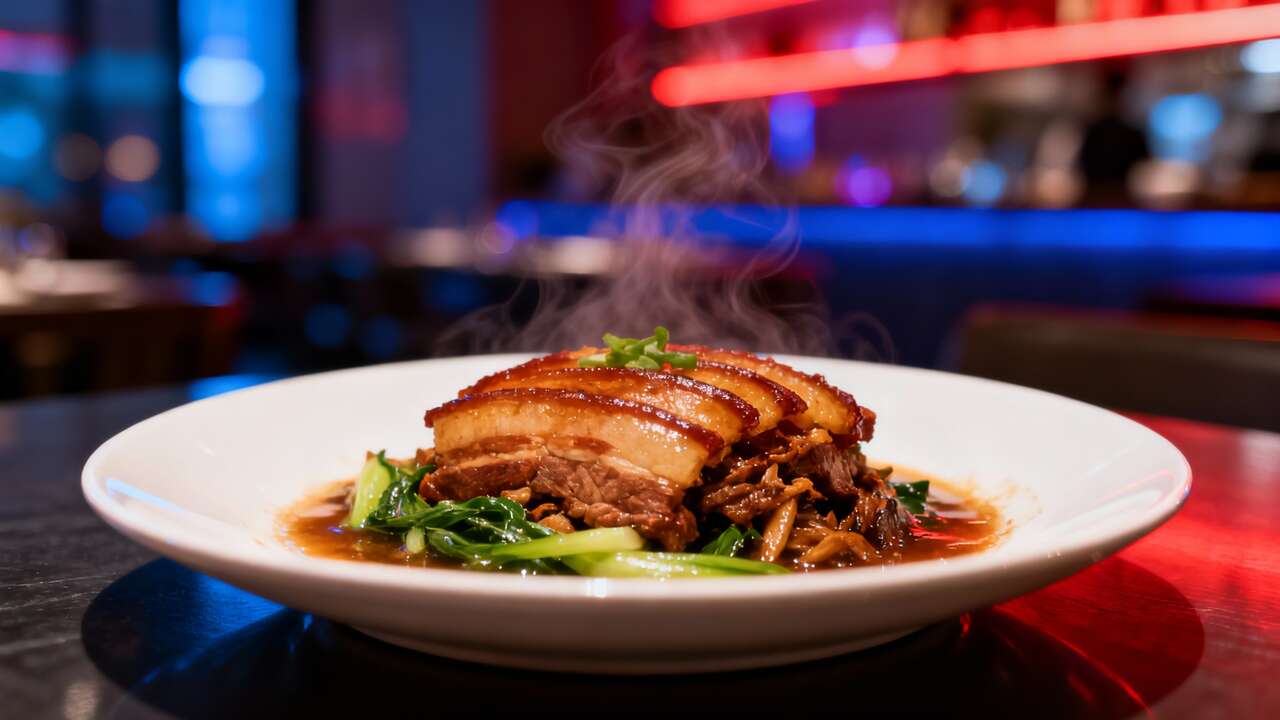

Explore the kitchens of the nation’s most talked-about restaurants and you will find a quiet revolution underway. Forget foams, gels, and deconstructions for a moment. Instead, look for the simmering pots and slow-roasting pans bringing back the flavors of a bygone era. The dishes our grandmothers perfected, once relegated to dusty cookbooks and faded family memories, are now taking center stage, offering diners a comforting taste of history in a decidedly modern world.
The return of bygone dishes: a gourmet trend
A quest for comfort and authenticity
In a world saturated with fleeting trends and complex culinary innovations, a powerful counter-movement is gaining momentum. Diners are increasingly seeking solace in the familiar, a phenomenon amplified in the post-pandemic era. This collective yearning for comfort has paved the way for the resurgence of classic, heartwarming dishes. It is not merely about eating; it is about experiencing a sense of security and nostalgia. These “grandma dishes” are the culinary equivalent of a warm blanket, offering a taste of authenticity that many feel is missing from contemporary dining. They represent a time when ingredients were simple, preparations were honest, and a meal was a genuine act of love.
More than just food: a connection to the past
The appeal of these retro recipes goes beyond their comforting flavors. Each dish tells a story, acting as a tangible link to our personal and collective heritage. Ordering a classic chicken soup or a slow-cooked pork roast in a restaurant can evoke powerful memories of family gatherings and childhood kitchens. This emotional resonance is a key driver of the trend. Restaurants are tapping into this by creating menus that feel both personal and universal, allowing patrons to reconnect with their roots one bite at a time. This is not just a trend; it is a cultural rediscovery through food, reminding us of the traditions that shape our palates and our identities.
This widespread desire for nostalgic flavors has naturally led chefs and restaurateurs to dig deeper into culinary archives, unearthing specific recipes that have long been forgotten by the mainstream.
The revival of forgotten recipes
Unearthing culinary gems
The process of reviving a forgotten recipe is akin to culinary archaeology. Chefs are scouring old family cookbooks, historical menus, and even oral histories to find dishes that have fallen out of fashion. The goal is to find recipes that are not only delicious but also rich with history. Take, for instance, the Russian Potato Salad, also known as Olivier Salad. Once a staple of holiday feasts, its intricate blend of diced vegetables, meat, and creamy dressing had been largely replaced by simpler side dishes. Today, its reintroduction on menus offers a complex, satisfying taste of Eastern European tradition that feels both novel and deeply familiar.
Celebrating resourceful traditions
Many of these resurrected dishes are a testament to the resourcefulness of past generations. They were born from a need to create satisfying meals with simple, accessible ingredients. This principle is finding new appreciation in today’s sustainability-conscious world. Consider these examples of revived classics:
- Classic Matzo Brei: A simple yet beloved dish of fried matzah and eggs, it showcases how a handful of pantry staples can be transformed into a comforting meal, echoing the heart of Jewish family traditions.
- Utica Greens: This regional specialty from upstate New York, featuring escarole, prosciutto, and breadcrumbs, demonstrates how Italian-American immigrant communities adapted their culinary heritage to new ingredients and environments.
- Watergate Salad: A quirky dessert from the 1970s made with pistachio pudding, canned pineapple, and marshmallows, its revival speaks to a playful nostalgia for an era of unapologetic culinary kitsch.
The re-emergence of such dishes highlights a clear shift in the restaurant industry, which is now looking to the past for its next big inspiration.
Why restaurants are betting on grandma’s cooking ?
The strategic appeal of nostalgia
For restaurants, embracing grandma’s cooking is a savvy business decision. These dishes carry a built-in emotional appeal that can attract a wide demographic, from older diners seeking a taste of their youth to younger patrons curious about culinary history. Marketing a dish with a story of heritage and tradition is often more compelling than promoting an abstract culinary concept. Furthermore, comfort food is consistently popular, making it a reliable draw for customers, especially during uncertain economic times. It provides a sense of value and satisfaction that can be hard to achieve with more experimental, high-concept cuisine.
Economic and operational advantages
Beyond marketing, heritage recipes often make good financial sense. The ingredients are typically less exotic and more affordable than those required for avant-garde dishes. Preparation techniques, while sometimes time-consuming (like slow-cooking), are often straightforward and can be systematized in a professional kitchen. This allows for greater consistency and can help manage food costs effectively. A comparison reveals the clear operational differences:
| Aspect | Grandma’s Dishes | Modern Experimental Cuisine |
|---|---|---|
| Ingredient Sourcing | Often relies on local, seasonal, and common produce. | May require rare, imported, or specialty ingredients. |
| Customer Expectation | Familiarity and comfort; high satisfaction potential. | Novelty and surprise; higher risk of disappointment. |
| Profit Margin | Potentially higher due to lower ingredient costs. | Can be lower due to expensive components and complex prep. |
| Kitchen Skillset | Focuses on fundamental techniques and patience. | Requires specialized training and equipment. |
This strategic embrace of the past is most visible in the way restaurants are reinterpreting and elevating some of the most famous dishes from our collective memory.
Iconic dishes revisited
The fine-dining facelift
The return of grandma’s cooking is not about simply replicating old recipes. It is about reinterpretation. High-end restaurants are taking quintessential comfort foods and elevating them with premium ingredients and refined techniques. A prime example is Beef Wellington. Once a showstopper at dinner parties, this dish of filet mignon wrapped in pâté, duxelles, and puff pastry is being meticulously perfected at establishments like Cocotte in San Francisco. Here, the focus is on flawless execution, from the quality of the beef to the crispness of the pastry, transforming a classic into a luxury experience. Similarly, the decadent Lobster Thermidor is reappearing on menus, reminding diners of a golden age of extravagant dining.
Preserving the soul of the dish
The key to a successful revival is to modernize the dish without losing its soul. A chef’s challenge is to enhance, not erase, the original’s comforting essence. This might involve lightening a traditionally heavy sauce, sourcing higher-quality, ethically raised meat, or presenting the dish with a more contemporary aesthetic. The Slow Cooker Pork Chops that once simmered for hours in a Crock-Pot are now prepared using precise sous-vide techniques to guarantee tenderness before being seared for a perfect crust. The goal is to evoke the original memory while delivering a superior gastronomic experience that meets the expectations of today’s discerning diners.
This delicate balance between homage and innovation falls squarely on the shoulders of the chefs who are championing this culinary movement.
The role of chefs in culinary rediscovery
Chefs as cultural storytellers
In this trend, chefs have become more than just cooks; they are curators of culinary history. By placing a forgotten dish on their menu, they are making a statement about the value of tradition. They act as storytellers, using the plate as their medium to share the history of a recipe, its cultural origins, and perhaps even its connection to their own family. This narrative element enriches the dining experience, transforming a simple meal into a memorable event. The chef’s personal connection to the food—whether it is a recipe passed down from their own grandmother or one they have painstakingly researched—adds a layer of authenticity and passion that diners can taste.
Balancing innovation with tradition
The most successful chefs in this space are those who master the delicate art of balancing respect for the past with a vision for the future. They understand that a recipe is not a static set of instructions but a living tradition that can evolve. They might deconstruct a classic, like presenting the components of a Blueberry Upside Down Cake separately with a modern twist, or they might simply focus on sourcing the absolute best ingredients to let the classic flavors shine. This creative tension between preservation and innovation is what keeps the trend exciting and prevents it from becoming a stale imitation of the past. It ensures that grandma’s cooking remains relevant for a new era.
And it is precisely this relevance that is capturing the imagination of a surprisingly young audience, ensuring the trend has a future as bright as its past.
A success with new generations
The appeal of authenticity to millennials and gen z
While one might expect this trend to resonate most with older generations, it is finding fervent fans among younger diners. For millennials and Gen Z, who grew up in an era of digital saturation and mass-produced food, these heritage dishes offer a powerful sense of authenticity and connection. In a world of fleeting social media trends, the enduring story behind a century-old recipe is compelling. It represents something real and tangible. This interest is also tied to broader cultural movements like “cottagecore,” which romanticizes traditional skills and simpler lifestyles. Enjoying a classic Jewish chicken soup feels more meaningful and grounded than chasing the latest viral food fad.
Social media’s role in popularizing the past
Ironically, the digital world has been instrumental in popularizing these analog-era dishes. Platforms like Instagram and TikTok are filled with images and videos of beautifully plated comfort foods. A perfectly golden Beef Wellington or a rustic slice of cake is highly “shareable” content. Influencers and food bloggers who champion these dishes introduce them to millions of followers who may never have encountered them before. This online exposure strips the dishes of any “old-fashioned” stigma and reframes them as timeless classics worth seeking out. The visual appeal and the compelling stories behind the food make for perfect digital content, fueling a cycle of discovery and popularization that brings new life to old recipes.
Embrace this return to culinary roots. Seek out the restaurants that honor these traditions and rediscover the timeless dishes that have shaped our tables for generations. By doing so, you are not just enjoying a meal; you are participating in the preservation and celebration of our shared culinary heritage, ensuring these flavors continue to comfort and inspire for years to come.

- This Dried Fruit Improves Heart Health, Experts Say - 13 November 2025
- 3 Perennials You Should Divide in Autumn for a Healthier Garden Next Year - 13 November 2025
- This Simple Fruit on the Table Naturally Repels Gnats - 12 November 2025