
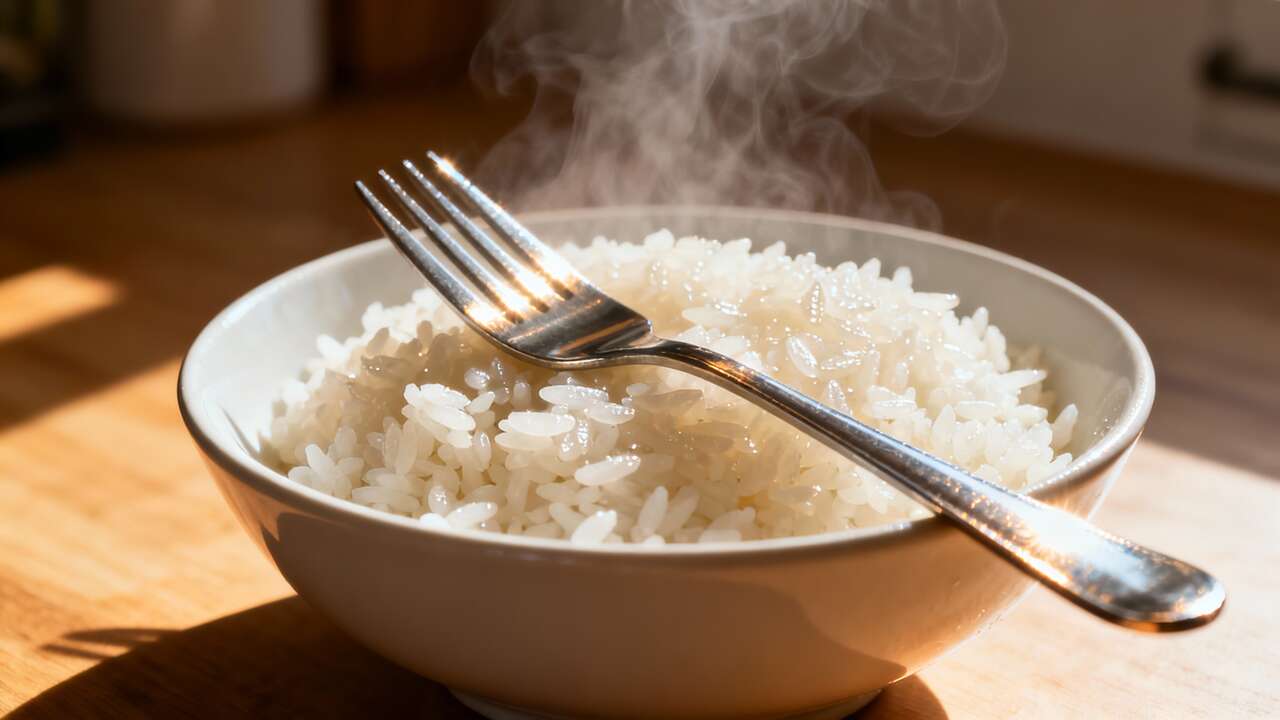

The seemingly harmless act of saving and reheating leftover rice is a kitchen routine for millions. Yet, lurking within this common practice is a food safety risk that often goes unnoticed. While convenient, mishandled rice can become a breeding ground for harmful bacteria, turning a simple meal into a potential source of severe illness. The danger isn’t in the reheating itself, but in how the rice is stored between its initial cooking and its second time on the heat, a critical detail that can make all the difference between a safe meal and a trip to the emergency room.
Understanding the danger of reheating rice
The myth of reheating
Many believe that blasting leftover food in the microwave or on the stovetop will kill any harmful pathogens, rendering it safe to eat. While high heat does kill most active bacteria, it is powerless against certain heat-resistant toxins that may have already formed. In the case of rice, the primary concern is not the grain itself but the spores of a bacterium that can survive the initial cooking process. When cooked rice is left at room temperature, these spores can germinate and multiply, producing toxins. Reheating the rice might kill the new bacteria, but the toxins remain, ready to cause illness. This is why the rule isn’t just about reheating, but about the entire lifecycle of the rice from pot to plate, and then to storage.
The time-temperature danger zone
Food safety experts frequently refer to the “danger zone”, a temperature range between 40°F and 140°F (4°C and 60°C) where bacteria can grow most rapidly. Cooked rice, with its high moisture and starch content, is an ideal environment for this growth. Leaving cooked rice on the counter for more than two hours places it squarely in this danger zone. The longer it sits out, the greater the opportunity for bacterial spores to become active and produce the toxins that make people sick. It is this period of improper storage, not the act of reheating, that creates the fundamental risk.
Now that the general principle of the danger is clear, it is crucial to identify the specific microorganism responsible for this particular food safety threat.
Risks associated with Bacillus cereus bacterium
What is Bacillus cereus ?
The main culprit behind rice-related food poisoning is a spore-forming bacterium named Bacillus cereus. These bacteria are ubiquitous in the environment, commonly found in soil and on raw agricultural products, including uncooked rice. The spores of B. cereus are incredibly resilient; they are designed by nature to survive harsh conditions, including the heat of cooking. While the cooking process kills the active bacteria, it may not eliminate these hardy spores. If the cooked rice is then left to cool slowly or stored at room temperature, these surviving spores can germinate into active bacteria and begin to multiply rapidly.
The two types of toxins
Bacillus cereus is particularly dangerous because it can produce two different types of toxins, each causing a distinct form of illness. The type of toxin produced depends on the food and the conditions.
- Emetic (vomiting) toxin: This toxin, known as cereulide, is most commonly associated with starchy foods like rice and pasta. It is produced when the bacteria grow in the food itself. Crucially, this toxin is extremely heat-stable and is not destroyed by reheating. Symptoms, primarily nausea and vomiting, appear quickly, usually within 30 minutes to 6 hours after consumption.
- Diarrheal toxin: This toxin is produced by the bacteria in the small intestine after the contaminated food has been ingested. It leads to symptoms like watery diarrhea and abdominal cramps, which typically begin 6 to 15 hours after eating.
The potential for severe consequences was starkly illustrated in a widely reported case where a student suffered multiple organ failure and required amputations after eating improperly stored pasta, another starchy food susceptible to B. cereus contamination. This highlights that the risk is not theoretical but a tangible threat with devastating potential.
Understanding the severe risks posed by this bacterium naturally leads to the most important question: how can you prevent it from becoming a threat in your kitchen ?
How to store rice properly
Cooling is critical
The single most important step to prevent the growth of Bacillus cereus is to cool cooked rice as quickly as possible. The goal is to move it through the temperature danger zone (40°F to 140°F) in the shortest amount of time. Never leave a large, hot pot of rice to cool on the counter for hours. Instead, you should:
- Divide large quantities of rice into smaller, shallow containers. This increases the surface area and allows the rice to cool down much faster.
- Spread the rice out on a clean baking sheet to accelerate cooling before placing it in containers.
- Once it has stopped steaming profusely, place the rice directly into the refrigerator. Do not wait for it to reach room temperature.
The food safety guideline is to have the rice cooled and refrigerated within one to two hours of cooking. Adhering to this timeframe drastically reduces the window of opportunity for bacterial spores to germinate.
Refrigeration and freezing guidelines
Once cooled, proper storage is the next line of defense. Store the rice in airtight containers in the refrigerator to prevent cross-contamination and drying out. It is recommended to consume refrigerated rice within 24 hours. For longer storage, freezing is an excellent option. Portion the cooled rice into freezer-safe bags or containers. It can be stored in the freezer for up to a month without a significant loss in quality. Freezing effectively halts bacterial growth, making it a much safer alternative for long-term storage than refrigeration.
| Storage Method | Maximum Safe Duration | Key Consideration |
|---|---|---|
| Room Temperature | Less than 2 hours | Avoid at all costs. |
| Refrigerator | Up to 24 hours | Cool quickly before storing. |
| Freezer | Up to 1 month | Safest for long-term storage. |
With the rice now stored safely, the next step is to reheat it in a way that ensures it is both palatable and safe for consumption.
Safe methods to reheat rice
The golden rule: piping hot
When you are ready to eat your properly stored leftover rice, the key to safe reheating is to ensure it reaches an internal temperature of at least 165°F (74°C) throughout. This means it should be steaming hot, not just lukewarm. This temperature is sufficient to kill any active bacteria that might have developed. However, it is vital to remember the warning about toxins: if the rice was stored improperly and heat-stable emetic toxins have already formed, reheating will not make it safe. This is why proper storage is non-negotiable. Reheating is the final step, not a corrective measure for poor handling.
Reheating techniques
There are several effective ways to reheat rice while maintaining its texture.
- Microwave: Place the rice in a microwave-safe bowl. For each cup of rice, add one to two tablespoons of water or broth. This will help steam the rice and prevent it from drying out. Cover the bowl with a damp paper towel or a microwave-safe lid and heat for 1-2 minutes, or until piping hot.
- Stovetop: Add the rice to a saucepan with a small amount of water or oil. Break up any clumps and cover the pan. Heat over low-to-medium heat, stirring occasionally, until the rice is heated through completely.
- Oven: This method works well for larger quantities. Place the rice in an oven-safe dish, add a splash of liquid, cover tightly with foil, and bake at 300°F (150°C) until hot.
Regardless of the method, you must never reheat rice more than once. Each cycle of cooling and reheating provides another opportunity for bacterial growth, increasing the risk. If you have reheated rice and still have leftovers, it is safest to discard them.
Even with the best precautions, accidents can happen, making it important to recognize the warning signs of foodborne illness.
Symptoms of food poisoning
Recognizing the signs
Food poisoning from Bacillus cereus can manifest in two distinct ways, and recognizing the symptoms is key to seeking appropriate care. The onset time and primary symptoms differ depending on which toxin is responsible for the illness. It is important to note that these symptoms are generally self-limiting and most healthy individuals recover without medical intervention. However, for vulnerable populations such as young children, the elderly, or those with compromised immune systems, the illness can be more severe.
When to seek medical help
While most cases resolve on their own within 24 hours, certain symptoms warrant a visit to a doctor. You should seek medical attention if you experience any of the following:
- Symptoms are severe or do not improve after a day or two.
- Signs of dehydration, such as little to no urination, extreme thirst, or dizziness.
- A high fever.
- Bloody diarrhea.
Being able to identify these symptoms is crucial, but an even better strategy is to avoid the risk entirely by exploring other uses for leftover rice.
Alternatives to reheating rice
Enjoying rice cold
One of the simplest and safest ways to use leftover rice is to eat it cold. Chilled, properly stored rice can be a delicious and versatile ingredient, completely sidestepping the risks associated with reheating. It can form the base of a refreshing rice salad, mixed with fresh vegetables, herbs, a light vinaigrette, and a source of protein like chickpeas or grilled chicken. Cold rice can also be used to make quick rice bowls or even as a filling for wraps and sushi-style rolls. This approach not only ensures safety but also opens up a new range of culinary possibilities for your leftovers.
Transforming leftovers into new dishes
Instead of simply reheating, you can transform leftover rice into an entirely new dish where it serves as a component rather than the main event. Cold rice is actually preferable for making fried rice, as the chilled, separated grains stir-fry better than warm, sticky rice. You can also use it to make crispy rice cakes by pressing it into a pan and frying it until golden. Other creative uses include adding it to soups as a thickener, using it as a binder in veggie burgers or meatballs, or incorporating it into the filling for stuffed vegetables like bell peppers or zucchini. These methods involve cooking the rice again as part of a new recipe, which is generally safe as long as the original rice was stored correctly.
Following these safe handling, storage, and consumption practices is the best defense against foodborne illness. By treating leftover rice with care, you can confidently enjoy its convenience without compromising your health. The key principles are simple: cool it fast, store it cold, and heat it hot only once, or find creative ways to enjoy it without reheating at all.

- This Dried Fruit Improves Heart Health, Experts Say - 13 November 2025
- 3 Perennials You Should Divide in Autumn for a Healthier Garden Next Year - 13 November 2025
- This Simple Fruit on the Table Naturally Repels Gnats - 12 November 2025