
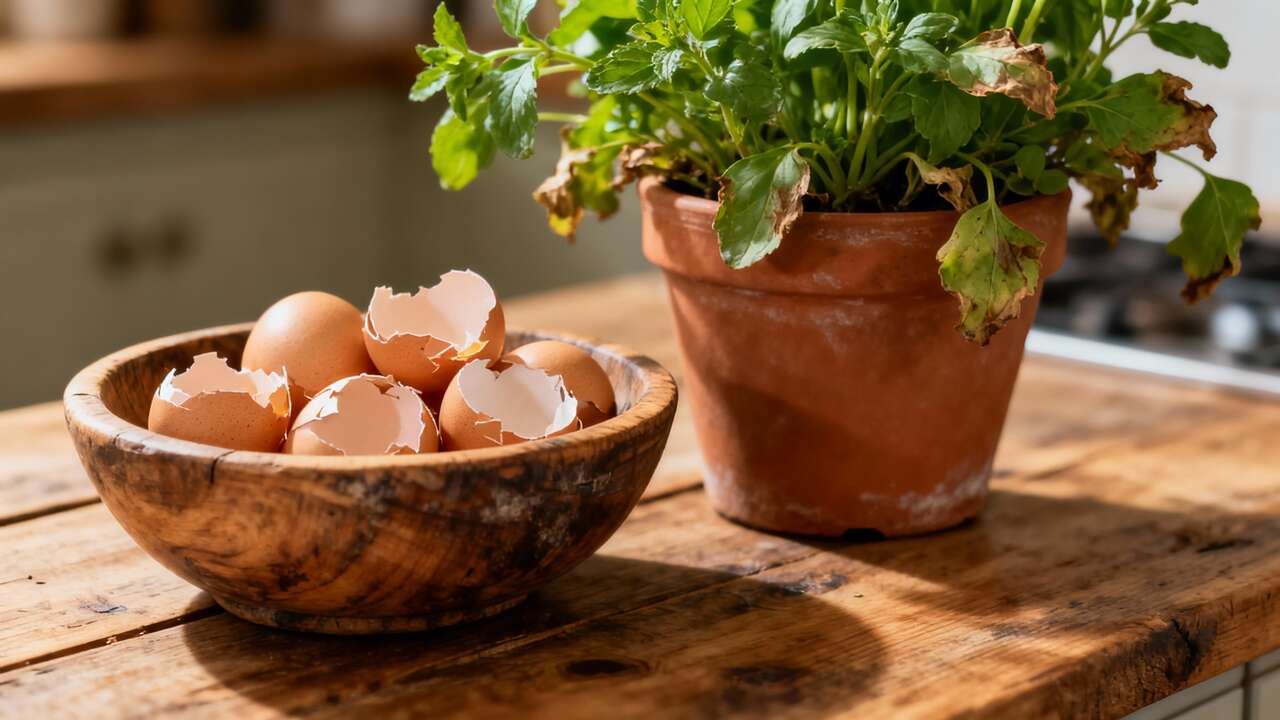

Stop discarding one of the most versatile byproducts from your kitchen. The humble eggshell, often tossed into the trash without a second thought, holds a surprising amount of potential for your garden, home, and even your diet. Before you throw away another shell, consider the wealth of benefits you are overlooking. From nourishing your soil to acting as a natural pest deterrent and a powerful cleaning agent, eggshells are a prime example of how waste can be transformed into a valuable resource. It is time to unlock the hidden power packed within these brittle domes.
The surprising benefits of eggshells in the garden
A natural soil amendment
The primary component of an eggshell is calcium carbonate, a mineral that is vital for plant health. Just as calcium builds strong bones in humans, it strengthens the cell walls of plants, leading to sturdier stems and more robust growth. Adding finely crushed eggshells to your garden soil provides a slow-release source of this essential nutrient. This simple addition can help prevent common plant ailments such as blossom-end rot, a condition that frequently affects tomatoes, peppers, and squash due to a calcium deficiency in the soil. By enriching the earth with eggshells, you are providing your plants with the foundation they need to thrive.
Balancing soil acidity
Soil pH plays a critical role in a plant’s ability to absorb nutrients. Many garden soils tend to be slightly acidic, which can lock up essential minerals and make them unavailable to plant roots. Because eggshells are alkaline, incorporating them into the soil can help neutralize acidity and bring the pH level to a more balanced state. A more neutral pH allows plants to access a wider range of nutrients already present in the soil, leading to healthier foliage, stronger root systems, and more abundant harvests. This is a simple, organic way to improve soil quality without resorting to chemical amendments.
A boost for your compost
Your compost pile is another place where eggshells can work their magic. When added to compost, they serve two main purposes: aeration and nutrient enrichment. The coarse texture of crushed shells helps create air pockets within the pile, which is essential for the aerobic decomposition process. As they break down, they release valuable minerals into the finished compost. Key nutrients found in eggshells include:
- Calcium: essential for cell wall structure.
- Potassium: aids in water regulation and enzyme activation.
- Magnesium: a central component of chlorophyll.
- Phosphorus: crucial for root development and flowering.
Rinsing the shells before adding them to the compost bin is recommended to avoid attracting pests. Crushing them speeds up the decomposition process, ensuring their nutrients become available more quickly.
Once you have fortified your garden soil and compost, you can turn your attention to protecting the very plants you are nurturing, and eggshells provide an excellent first line of defense.
How to use eggshells to repel pests
A physical barrier against soft-bodied pests
One of the most effective garden uses for eggshells is as a natural deterrent for common garden nuisances like slugs and snails. These soft-bodied pests have a strong aversion to crawling over sharp, abrasive surfaces. By creating a perimeter of coarsely crushed eggshells around the base of vulnerable plants, you establish a protective barrier. The sharp edges of the shell fragments irritate their delicate bodies, encouraging them to seek an easier meal elsewhere. This method is a non-toxic and humane way to protect your leafy greens, hostas, and other susceptible plants from damage.
Deterring larger garden visitors
While the evidence is more anecdotal, some gardeners swear by eggshells as a means to deter deer. The theory is that deer, who have a very sensitive sense of smell, dislike the faint albumin odor that lingers on unwashed shells. Scattering shells around the perimeter of a garden bed may be enough to make them wary and move on. While not a foolproof solution, it is a simple, zero-cost experiment for those struggling with these larger garden browsers. It is another tool in the organic gardener’s arsenal for integrated pest management.
Preparing shells for pest control
To maximize their effectiveness as a pest repellent, proper preparation is key. The process is straightforward and ensures the shells are both effective and safe for your garden. Follow these simple steps:
- Rinse: thoroughly rinse the inside of the shells to remove any remaining egg white. This prevents them from smelling and attracting rodents or other unwanted critters.
- Dry: allow the shells to air dry completely for a day or two. You can speed up this process by baking them on a tray in a low-temperature oven for about 15 minutes. Drying makes them brittle and easier to crush.
- Crush: place the dry shells in a sturdy bag and crush them with a rolling pin or the bottom of a jar. For pest control, aim for a coarse, jagged texture rather than a fine powder.
This simple preparation transforms kitchen scraps into a potent, natural pest defense system. The utility of these shells, however, extends far beyond the garden gate and right back into the home.
Household tips with eggshells
A gentle abrasive cleaner
The fine, abrasive nature of ground eggshells makes them an excellent, non-toxic scouring powder. When mixed with a bit of soapy water, this paste can be used to clean tough spots on pots and pans without scratching the surface. It is particularly effective for removing coffee and tea stains from the inside of mugs and thermoses. Simply crush dried eggshells into a powder, sprinkle some into the stained container, add a little warm water, and shake vigorously. The gentle scrubbing action of the shell powder will lift the stains away, leaving your cookware sparkling clean.
Sharpening blades and cleaning drains
Believe it or not, eggshells can also help with minor kitchen maintenance. For a simple way to sharpen blender blades, freeze a handful of crushed shells in an ice cube tray with some water. Tossing a few of these abrasive cubes into your blender and running it for a minute can help hone the edges of the blades. In a similar vein, a few crushed shells placed in your kitchen sink strainer can help prevent clogs. They trap larger food particles, and as they slowly break down and wash away, their abrasive texture helps scrub the inside of your pipes, preventing grease buildup.
Household Uses for Crushed Eggshells
| Application | Preparation | Method |
|---|---|---|
| Scouring Powder | Fine powder | Mix with soap and water to form a paste for scrubbing. |
| Blender Sharpener | Coarsely crushed | Freeze with water into cubes and blend. |
| Laundry Whitener | Coarsely crushed | Place in a sealed mesh bag with white laundry. |
| Drain Cleaner | Coarsely crushed | Place in sink strainer to trap debris and scrub pipes. |
The benefits of eggshells are not limited to inanimate objects; they can also provide essential nutrition for various animals.
Feeding animals with eggshells
A calcium supplement for birds
Wild birds, particularly females during the spring nesting season, require a significant amount of calcium to produce strong eggs. You can support your local bird population by offering them a supplemental source of this vital mineral. To do this safely, it is crucial to sterilize the eggshells first to eliminate any risk of salmonella transmission. Bake the shells at 250°F (120°C) for about 20 minutes, let them cool, and then crush them into small, beak-sized pieces. Scatter the crushed shells on a bird feeder or on the ground where birds are known to forage. They will instinctively consume what they need.
Enriching chicken feed
For those who raise backyard chickens, recycling eggshells back into their diet is a classic sustainability practice. Providing crushed eggshells gives hens a readily available source of calcium, which helps them form strong, healthy shells for the eggs they lay. This practice not only reduces waste but also improves the quality of your egg production, preventing issues like thin or soft-shelled eggs. As with wild birds, the shells must be baked to kill any potential pathogens before being crushed and mixed into their regular feed or offered freely in a separate container.
Considerations for household pets
Finely ground eggshell powder can also be used as a dietary calcium supplement for dogs and cats, especially those on a homemade food diet where calcium levels might be insufficient. However, this should only be done with extreme care and under the guidance of a veterinarian. Calcium balance is critical for pets, and too much can be as harmful as too little. A vet can help you determine the appropriate dosage for your pet’s specific needs, ensuring you are supplementing their diet safely and effectively.
From nourishing animals, we now pivot to exploring how eggshells can surprisingly enhance our own culinary endeavors.
Cooking differently with eggshells
Making a mineral-rich stock
When you simmer bones to make a rich broth or stock, consider adding a few clean eggshells to the pot. As the stock simmers for hours, the shells will slowly break down, releasing calcium and other trace minerals like magnesium and potassium directly into the liquid. This fortifies your stock, making it even more nutritious. Be sure to use shells that have been thoroughly rinsed to remove any residue. The shells will be strained out along with the bones and vegetables at the end, leaving you with a clear, mineral-dense broth that serves as a superior base for soups and sauces.
Clarifying coffee and reducing bitterness
An old-fashioned trick for brewing smoother, less acidic coffee involves adding crushed eggshells to the coffee grounds. The alkaline nature of the calcium carbonate in the shells helps to neutralize some of the coffee’s natural acidity, resulting in a mellower flavor. Furthermore, the shells act as a clarifying agent. As the hot water passes through the grounds, the eggshell fragments help the grounds clump together, preventing fine sediment from passing into the final brew. This technique, often called “cowboy coffee,” yields a surprisingly clear and smooth cup.
Beyond their role as a functional ingredient, eggshells can also be the star of the show when transformed into something entirely new.
Transforming eggshells into creative objects
Artistic mosaics and decorations
The delicate, curved pieces of eggshells lend themselves beautifully to artistic projects. After rinsing and drying shells, you can crush them into various sizes to create stunning mosaic art. Simply apply glue to a surface—like a picture frame, a small box, or a piece of cardboard—and sprinkle the shell pieces over it. Once dry, you can paint the mosaic to create intricate designs. For a more traditional craft, carefully blown-out eggs can be painted, dyed, and decorated for holidays or displayed as delicate ornaments year-round. It is a wonderful way to engage children and adults alike in a creative, upcycling activity.
Homemade sidewalk chalk
You can turn your kitchen waste into a source of outdoor fun by making your own sidewalk chalk. The process is surprisingly simple and uses eggshell powder as its primary ingredient. You will need:
- Powder from about 6-8 eggshells (finely ground in a blender or coffee grinder)
- 1 teaspoon of all-purpose flour
- 1 teaspoon of hot water
- Food coloring (optional)
Mix the dry ingredients, then slowly add the hot water and food coloring until you form a thick paste. Roll the paste into chalk-stick shapes on a paper towel and let them dry for about three days. The result is a natural, biodegradable chalk perfect for driveway masterpieces.
Embrace the full potential of what your kitchen produces. Instead of viewing eggshells as garbage, see them as a multifaceted resource. By incorporating them into your garden, cleaning routine, and even your creative projects, you actively reduce waste and adopt a more sustainable mindset. Put these ideas into practice and discover the remarkable value hidden in something you once threw away.

- This Dried Fruit Improves Heart Health, Experts Say - 13 November 2025
- 3 Perennials You Should Divide in Autumn for a Healthier Garden Next Year - 13 November 2025
- This Simple Fruit on the Table Naturally Repels Gnats - 12 November 2025
Pubblicazioni simili :
 The Grandma Hack That Keeps Flies and Wasps Out of Your Kitchen Effortlessly
 You Think It’s Clean, but It’s Actually One of the Germiest Spots in Your Kitchen
 The Kitchen Countertop Material Designers Say You Should Avoid This Autumn
 Why an Ice Cream Scoop Is the Best Kitchen Tool for Pumpkin Carving