
A homemade vinaigrette is the dividing line between a forgettable salad and a culinary experience. While store-bought dressings offer convenience, they often fall short in flavor and are laden with preservatives and sugars. The truth is, crafting a restaurant-quality vinaigrette at home is remarkably simple. It doesn’t require esoteric ingredients or complex culinary school techniques. It hinges on understanding a few core principles, starting with the quality of the components and the method used to bring them together into a harmonious, emulsified sauce that can elevate not just greens, but an entire meal.
The secrets chefs use for a perfect vinaigrette
The foundation: quality over quantity
The final character of any vinaigrette is dictated almost entirely by its two main components: oil and vinegar. Professional chefs insist on using high-quality ingredients because there is nowhere for mediocrity to hide. A robust, fruity, or peppery extra virgin olive oil serves as the backbone, providing richness and depth. The choice of oil is a flavor decision, not just a functional one. Similarly, the vinegar provides the acidic brightness that cuts through the fat of the oil. Options like a crisp white balsamic, a sweet fig-infused vinegar, or a delicate pear vinegar can completely transform the dressing’s profile from standard to spectacular.
The classic ratio and when to break it
The time-honored ratio for a classic vinaigrette is three parts oil to one part vinegar. This formula provides a perfect balance where the oil’s richness is tempered by the vinegar’s acidity without being overwhelmingly sharp. However, this should be seen as a starting point, not an unbreakable rule. A particularly potent aged balsamic might require a 4:1 ratio, while a milder rice wine vinegar could work beautifully in a 2:1 mix. The key is to taste and adjust based on the specific ingredients and the desired outcome.
| Ratio (Oil:Vinegar) | Flavor Profile | Best For |
|---|---|---|
| 3:1 | Classic, balanced | General purpose, leafy greens |
| 2:1 | Tangy, acid-forward | Hearty vegetables, marinades |
| 4:1 | Rich, mellow | Delicate lettuces, fruit salads |
The power of an emulsifier
The true magic of a great vinaigrette lies in its texture. A properly emulsified dressing is creamy and cohesive, clinging to leaves rather than pooling at the bottom of the bowl. This is achieved with an emulsifier, an ingredient that helps bind the naturally opposing oil and vinegar. Dijon mustard is the most common and effective choice for this role. Its complex compounds wrap around the oil droplets, allowing them to remain suspended in the vinegar. Just a small spoonful adds a tangy depth of flavor and ensures a smooth, stable consistency.
Beyond mustard, other ingredients can also act as emulsifiers, each bringing a unique flavor:
- Honey
- Maple syrup
- Miso paste
- Egg yolk
- Tahini
With these fundamental principles of quality, ratio, and emulsification established, we can explore the specific ingredient that chefs often rely on to add an unforgettable layer of complexity.
The mystery ingredient in homemade vinaigrettes
More than just mustard
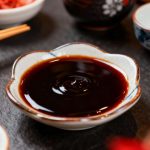
While Dijon mustard is a well-known player, the true secret ingredient is often less obvious. It’s an element that introduces a deep, savory flavor known as umami. This fifth taste adds a complexity that makes the dressing feel complete and satisfying. A very small dash of soy sauce or a tiny bit of white miso paste can be whisked into the vinegar before adding the oil. These ingredients provide a salty, savory background note that enhances all the other flavors without making the vinaigrette taste overtly Asian. For a classic Caesar-style dressing, a single anchovy fillet mashed into a paste serves the same purpose, providing depth that is savory, not fishy.
The role of alliums
Another professional touch is the addition of finely minced alliums. A single shallot, prized for its mild sweetness, can elevate a simple vinaigrette to new heights. The trick is to mince it as finely as possible and let it macerate, or sit, in the vinegar for at least ten to fifteen minutes before adding any other ingredients. This step tames the shallot’s raw bite and allows its delicate flavor to infuse the entire acidic base. The same technique works with a small clove of garlic, though it should be used more sparingly to avoid overpowering the dressing. This simple maceration step is a non-negotiable in many professional kitchens.
A touch of sweetness
Finally, balance is everything. To counteract the sharp acidity of the vinegar and the sometimes-bitter notes of olive oil, a hint of sweetness is essential. This doesn’t mean the vinaigrette should be sweet; rather, it should be balanced. A small drizzle of honey or pure maple syrup does more than just add sweetness. It rounds out the flavors, making the dressing more palatable and complex. Furthermore, the thick viscosity of these sweeteners also aids in creating a more stable and lasting emulsification, contributing to that perfect, creamy texture.
Knowing which secret flavors to add is crucial, but ensuring they are perfectly integrated into a silky-smooth dressing requires mastering the physical process of combination.
Tips for ideal vinaigrette emulsification
The science of emulsification
At its core, a vinaigrette is a battle between oil and water, as vinegar is primarily water-based. These two liquids naturally repel each other. The goal of emulsification is to break the oil down into microscopic droplets and suspend them within the vinegar, creating a temporarily stable mixture. This is accomplished through two key actions: the use of an emulsifying agent like mustard and the application of force through vigorous mixing. The emulsifier acts as a mediator, with one end of its molecules attaching to water and the other to oil, effectively holding the mixture together.
Techniques for a stable dressing
There are two primary methods for achieving a successful emulsion at home. The simplest is the jar method. All ingredients—vinegar, emulsifier, seasonings, and oil—are combined in a glass jar with a secure lid. Shaking the jar vigorously for about 30 seconds forces the liquids to combine into a creamy, homogenous dressing. This method is fast, requires minimal cleanup, and the jar doubles as a storage container. The more traditional approach is the whisking method. Here, the vinegar, emulsifier, and seasonings are whisked together in a bowl. Then, while whisking constantly, the oil is added in a very slow, thin stream. This gradual incorporation of the oil allows for a stronger, more stable, and often creamier emulsion.
Common emulsification mistakes
Even with the right technique, a vinaigrette can sometimes “break,” meaning the oil and vinegar separate. This is usually due to a few common errors. Understanding them can help prevent failure and even salvage a broken dressing.
| Mistake | Result | Solution |
|---|---|---|
| Adding oil too quickly | A separated, oily mixture | Start over with a fresh base of vinegar and mustard, then slowly whisk the broken mixture into it. |
| Forgetting the emulsifier | A dressing that separates almost instantly | Whisk a small amount of Dijon mustard or honey into the vinegar base before adding any oil. |
| Insufficient mixing | A thin, unappealing texture | Shake the jar longer and with more force, or whisk until the dressing visibly thickens and lightens in color. |
With a perfectly emulsified dressing as your canvas, you can begin to paint with a broader palette of flavors, moving beyond the classics into more inventive territory.
Creative mixes for original vinaigrettes
Herb-infused creations
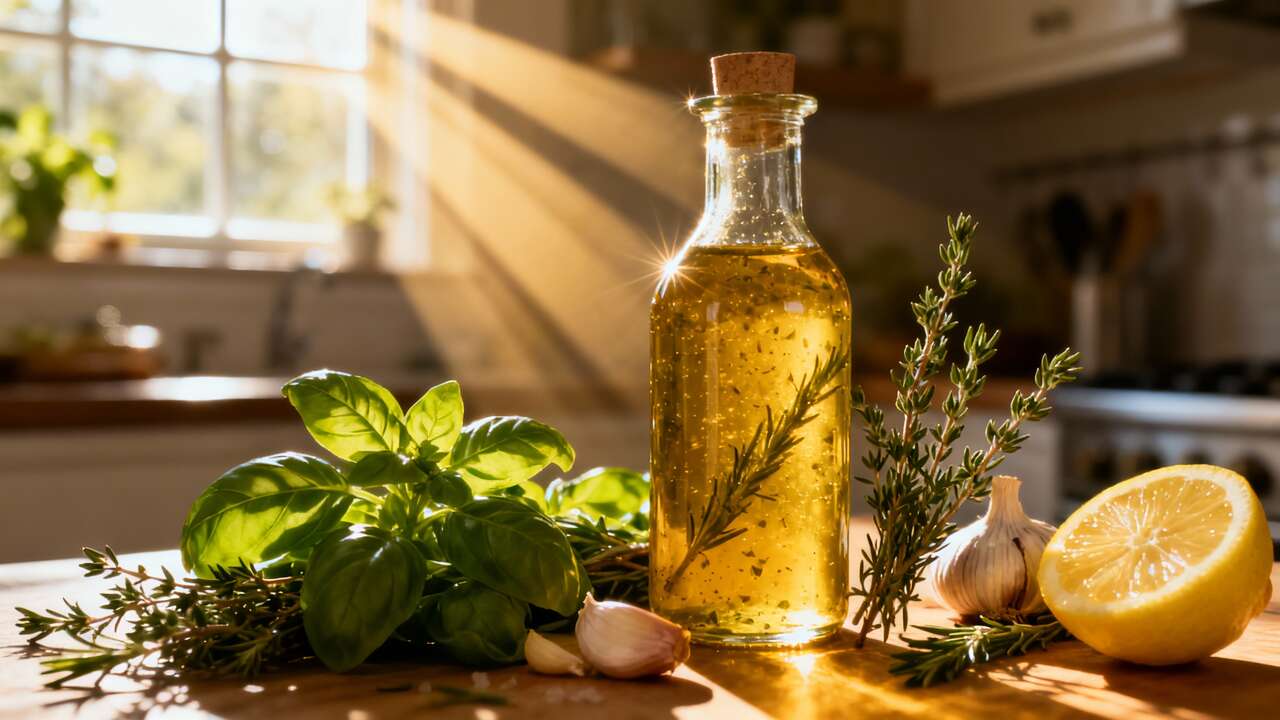
Fresh herbs are one of the easiest ways to customize a vinaigrette and align it with a specific cuisine or season. Soft herbs like basil, parsley, cilantro, and mint should be finely chopped and added at the very end to preserve their vibrant color and delicate flavor. For heartier, woody herbs such as rosemary or thyme, a better technique is to create an infused oil. Gently warm the olive oil with a few sprigs of the herb, then let it cool completely before straining and using it as the base for your dressing. This imparts a subtle, aromatic essence throughout the vinaigrette.
Fruity and zesty variations
Introducing fruit can add a delightful sweetness and complexity that pairs wonderfully with salads containing nuts, cheeses, or grilled meats. This can be achieved in several ways:
- Replace some of the vinegar with fresh citrus juice, like lemon, lime, or blood orange.
- Muddle a few fresh berries, such as raspberries or blackberries, into the vinegar before emulsifying.
- Whisk in a spoonful of fruit preserves or jam, like fig or apricot, for a thicker, sweeter dressing.
The key is to balance the added sweetness with enough acidity to keep the vinaigrette bright and refreshing.
Spicy and savory blends
For those who prefer a dressing with more punch, adding savory or spicy elements can create a bold and memorable flavor profile. A pinch of red pepper flakes or a few dashes of your favorite hot sauce can provide a welcome kick of heat. For a deeper, earthier flavor, try adding toasted spices like cumin or coriander. To create a rich, creamy, and savory dressing with a Middle Eastern flair, use tahini as your primary emulsifier, complemented by lemon juice and garlic for a dressing that is perfect on greens, falafel, or roasted vegetables.
Of course, the potential of any creative combination is ultimately determined by the quality and compatibility of its most fundamental components.
How to choose the right oils and vinegars
Navigating the world of oils
While extra virgin olive oil is the classic choice, the world of oils offers a vast array of flavors to explore. The oil you choose should complement the other ingredients in your salad. Nut oils, like walnut or hazelnut oil, are rich and aromatic, pairing beautifully with bitter greens, apples, and blue cheese. Avocado oil is prized for its neutral flavor and creamy texture, making it an excellent all-purpose choice that won’t overpower other ingredients. For Asian-inspired vinaigrettes, a small amount of toasted sesame oil can be blended with a neutral oil to add an unmistakable nutty, savory depth.
A guide to vinegars
Vinegar provides the acidic backbone of the dressing, and the variety you select has a profound impact on the final taste. Each type has a distinct personality and purpose.
| Vinegar Type | Flavor Profile | Best Paired With |
|---|---|---|
| Red Wine Vinegar | Bold, tangy, robust | Hearty greens, Mediterranean salads |
| White Wine Vinegar | Crisp, delicate, less assertive | Chicken salads, tender lettuces |
| Apple Cider Vinegar | Fruity, mellow, with a hint of apple | Coleslaw, salads with fruit and nuts |
| Balsamic Vinegar | Sweet, complex, syrupy | Tomatoes, strawberries, grilled vegetables |
| Rice Vinegar | Mild, slightly sweet, gentle | Cucumber salads, Asian-style slaws |
Pairing oils and vinegars
The art of creating a great vinaigrette lies in harmonious pairing. The general rule is to match intensities: a strong, peppery olive oil stands up well to a bold red wine vinegar, while a delicate walnut oil would be better suited to a milder apple cider or white wine vinegar. Think of it as a partnership where neither component should dominate the other. Experimenting with combinations like avocado oil and lime juice or hazelnut oil and pear vinegar can unlock entirely new and exciting flavor profiles for your salads.
While many classic dressings rely on these traditional ingredients, delicious and creamy alternatives are readily available for those with dietary restrictions.
Creative substitutes for dairy-free dressings
Creaminess without the cream
Achieving the rich texture of a creamy dressing like ranch or Caesar without dairy is easier than ever. The secret lies in finding a base that provides both fat and substance. Tahini, a paste made from ground sesame seeds, can be thinned with water and lemon juice to create a luscious, nutty dressing. For a more neutral base, soaking raw cashews in hot water and then blending them until perfectly smooth yields a cashew cream that rivals heavy cream in richness. Perhaps the simplest option is to use a ripe avocado; when blended with oil, vinegar, and seasonings, it produces a vibrant, thick, and satisfyingly creamy dressing.
Nutritional yeast for a cheesy flavor
One of the most missed flavors in dairy-free cooking is the savory, umami-rich taste of aged cheese, particularly parmesan. Nutritional yeast is the ideal solution. This deactivated yeast, sold as golden flakes, has a uniquely cheesy and nutty flavor profile. Whisking a tablespoon or two into a dairy-free Caesar dressing base provides that essential savory depth, perfectly mimicking the taste of parmesan cheese while also adding a boost of B vitamins. It dissolves easily and adds both flavor and a slight thickness to the dressing.
Using plant-based yogurts and milks
The growing market for plant-based dairy alternatives offers excellent options for creamy dressings. Unsweetened plain yogurts made from almond, soy, or coconut milk can be used as a direct one-to-one substitute for dairy yogurt or buttermilk in recipes for ranch or green goddess dressing. They provide the necessary tang and creamy consistency, creating a final product that is virtually indistinguishable from the original. When choosing a plant-based milk or yogurt, be sure to select an unsweetened and unflavored variety to ensure it provides a neutral canvas for your herbs and seasonings.
Mastering the art of the homemade vinaigrette is not about memorizing a single recipe, but about understanding the core principles. It begins with selecting high-quality oils and vinegars and respecting the classic 3:1 ratio as a flexible guide. Incorporating an emulsifier like Dijon mustard is crucial for texture, while adding subtle elements of umami or alliums provides chef-level complexity. With these techniques, any home cook can move beyond basic dressings and create an endless variety of flavorful, perfectly balanced vinaigrettes that can transform simple salads and elevate countless other dishes.

- This Dried Fruit Improves Heart Health, Experts Say - 13 November 2025
- 3 Perennials You Should Divide in Autumn for a Healthier Garden Next Year - 13 November 2025
- This Simple Fruit on the Table Naturally Repels Gnats - 12 November 2025