
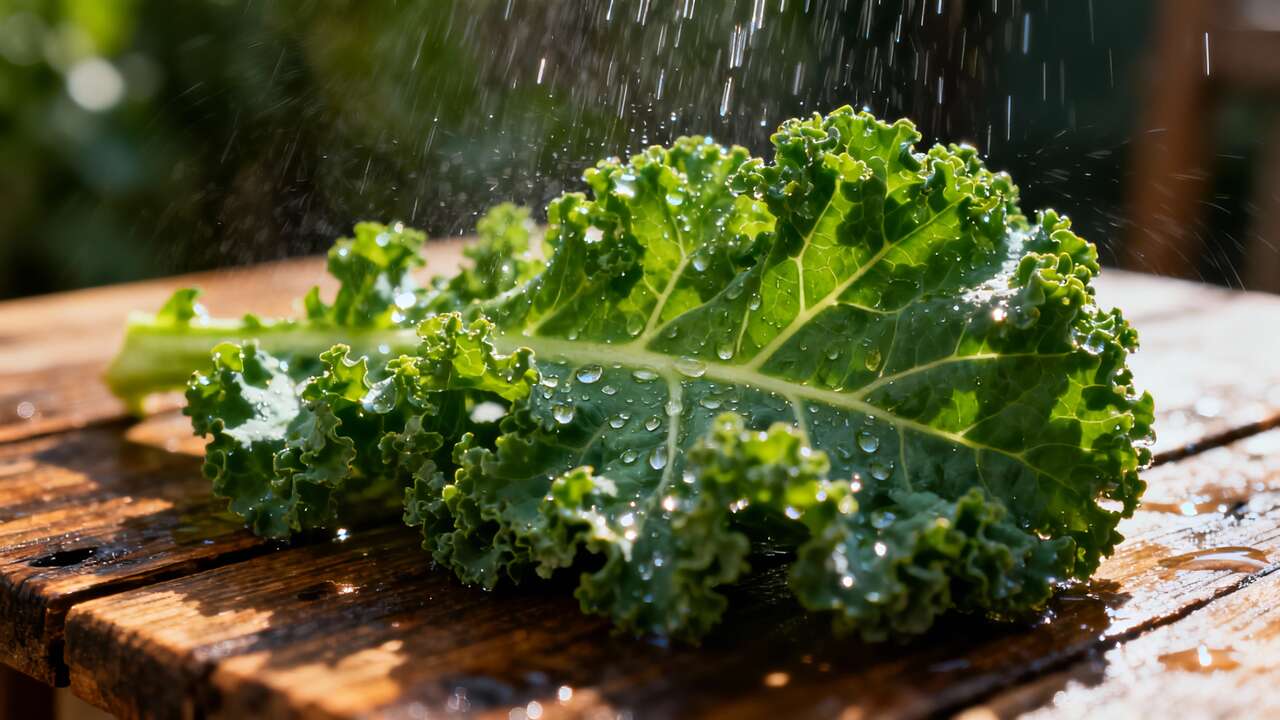

As of October 20, 2025, the conversation surrounding health and beauty is increasingly focused on the power of plant-based diets to enhance the body’s natural processes. A significant area of interest is the production of collagen, the protein responsible for skin’s structure and elasticity. While true collagen is exclusively animal-derived, a strategic intake of specific plant-based foods can provide the essential building blocks and cofactors your body needs to synthesize its own. This dietary approach supports skin vitality from within, offering a sustainable path to a youthful complexion.
The Benefits of Collagen for the Skin
What is collagen and why is it important ?
Collagen is the most abundant protein in the human body, acting as the primary structural component of connective tissues, including the skin, bones, and tendons. In the context of skin health, it functions as a sort of internal scaffolding, providing firmness, suppleness, and elasticity. Think of it as the framework that holds your skin together, keeping it smooth and resilient. High levels of collagen are what give youthful skin its characteristic plumpness and strength, helping it bounce back from expressions and resist the formation of lines.
The visible effects of collagen decline
The body’s natural collagen production begins a gradual decline around the age of 25. This slowdown has noticeable consequences for the skin’s appearance. As the structural support weakens, the skin loses its firmness, leading to sagging and a loss of contour. The reduced elasticity means the skin is less able to snap back into place, which contributes to the formation of fine lines and wrinkles. Furthermore, a decrease in collagen can result in skin that appears thinner and more fragile, making it more susceptible to damage and dehydration.
Understanding these benefits and the consequences of collagen decline naturally leads to the question of how to effectively support the body’s own production mechanisms through diet.
How Green Vegetables Boost Collagen Production
The indirect pathway to collagen synthesis
A common misconception is that eating plants can directly provide collagen. In reality, plants do not contain collagen. Instead, green vegetables offer a powerful, indirect route to boosting its production. They are packed with the specific vitamins and minerals that act as essential cofactors in the complex biochemical process of collagen synthesis. Your body breaks down dietary proteins into amino acids and then uses these cofactors, particularly vitamin C, to reassemble those amino acids into new collagen proteins. Without these critical nutrients, the entire production line grinds to a halt.
The role of antioxidants in protecting existing collagen
Beyond simply helping create new collagen, green vegetables also play a crucial defensive role. They are rich in antioxidants, compounds that neutralize harmful molecules known as free radicals. Free radicals, generated by factors like UV radiation and pollution, can damage existing collagen fibers, accelerating the aging process. By consuming antioxidant-rich greens, you help protect your current collagen reserves from degradation, preserving the skin’s structural integrity for longer.
This dual-action process of synthesis and protection relies on a specific set of vitamins and minerals that are abundant in these plant-based powerhouses.
Essential Nutrients Found in Green Vegetables
Vitamin C: the essential cofactor
Vitamin C is arguably the most critical nutrient for collagen production. It plays a direct and non-negotiable role in the hydroxylation of the amino acids proline and lysine, a chemical step that stabilizes the collagen molecule’s triple-helix structure. Without sufficient vitamin C, the body simply cannot produce stable, functional collagen. Green vegetables like broccoli, kale, and bell peppers are excellent sources of this vital nutrient, providing the necessary fuel for the collagen-building process.
Zinc and chlorophyll: the mineral support team
While vitamin C takes the spotlight, other compounds found in greens are also key players. Zinc, found in abundance in spinach and kale, functions as a cofactor for several enzymes involved in collagen synthesis and tissue repair. It helps maintain the skin’s structural integrity. Chlorophyll, the pigment that gives green vegetables their color, is a potent antioxidant that helps protect the skin from damage and supports detoxification pathways, contributing to a healthier overall complexion.
Amino acids: the fundamental building blocks
Collagen itself is made of amino acids, primarily glycine, proline, and hydroxyproline. While green vegetables are not typically considered complete proteins like eggs or meat, they do contribute to the body’s overall pool of amino acids. When combined with other plant-based protein sources such as legumes and nuts throughout the day, they ensure your body has all the necessary raw materials to construct strong collagen fibers.
| Nutrient | Primary Role in Collagen Health | Common Green Vegetable Sources |
|---|---|---|
| Vitamin C | Essential for collagen synthesis and stability | Broccoli, Kale, Bell Peppers, Brussels Sprouts |
| Zinc | Cofactor for enzymes in tissue repair and collagen formation | Spinach, Kale, Asparagus |
| Chlorophyll | Acts as an antioxidant, protecting skin cells | All dark leafy greens (Spinach, Kale, Parsley) |
| Amino Acids | Provide the direct building blocks for collagen protein | Spinach, Asparagus (in combination with other protein sources) |
With a clear understanding of these key nutrients, we can identify which specific green vegetables are the most effective sources for your diet.
The Best Green Vegetables to Boost Collagen
Dark leafy greens: spinach and kale
Spinach and kale are at the top of the list for collagen support. Both are nutritional powerhouses, loaded with vitamin C to fuel synthesis and zinc to aid in skin repair. Their deep green color signifies a high concentration of chlorophyll, which provides antioxidant benefits to shield the skin from environmental stressors. Their versatility makes them easy to add to almost any meal, from salads to smoothies.
Cruciferous vegetables: broccoli
Broccoli is renowned for its exceptionally high vitamin C content. Just one cup of chopped broccoli can provide more than the recommended daily intake of this essential vitamin. It also contains sulfur, a trace mineral that contributes to collagen formation. Including broccoli in your diet, whether steamed, roasted, or raw, is a direct way to support your body’s collagen-producing capabilities and combat the signs of premature aging.
Other notable greens: asparagus and bell peppers
Expanding the variety of greens in your diet can provide a wider range of benefits. Green bell peppers are another fantastic source of vitamin C, rivaling even some citrus fruits. Asparagus offers a good amount of zinc and folate, a B vitamin that is important for cell regeneration and overall skin health. A diverse intake ensures a more complete nutritional profile for optimal skin support.
- Spinach: Rich in zinc, chlorophyll, and vitamin C.
- Kale: A dense source of vitamins C and A, plus key minerals.
- Broccoli: One of the highest vegetable sources of vitamin C.
- Green Bell Peppers: An excellent and crisp source of vitamin C.
- Asparagus: Provides zinc and folate for cell health.
Knowing which vegetables to choose is the first step; the next is seamlessly integrating them into your daily meals for consistent benefits.
Tips for Incorporating These Vegetables into Your Diet
Simple additions to daily meals
Making these vegetables a regular part of your diet doesn’t require a complete overhaul. Start with small, manageable changes. For instance, add a large handful of spinach to your morning smoothie or scrambled eggs. Top your lunch salad or grain bowl with raw broccoli florets for extra crunch and a vitamin C boost. Snacking on green bell pepper strips with hummus is another easy way to increase your intake without much effort.
Cooking methods to preserve nutrients
How you prepare your vegetables matters. Vitamin C is water-soluble and sensitive to heat, meaning it can be lost during cooking. To preserve the maximum amount of nutrients, opt for cooking methods like light steaming, stir-frying, or roasting over boiling. Eating some of these vegetables raw, such as kale in a massaged salad or broccoli on a veggie platter, is an excellent way to ensure you are getting their full nutritional potency.
Creative recipes and pairings
Think about nutrient synergy to maximize benefits. Pair vitamin C-rich vegetables with plant-based sources of amino acids to give your body all the tools it needs for collagen synthesis. A great example is a salad made with kale, chickpeas, and a lemon-tahini dressing. The kale provides the vitamin C, while the chickpeas and tahini offer protein and healthy fats. Another idea is a stir-fry with broccoli, tofu, and bell peppers, a combination that delivers a powerful punch of collagen-supporting nutrients.
While these dietary strategies are highly effective for many, some individuals may seek more direct plant-based alternatives to traditional collagen supplements.
Choosing Vegan Alternatives for Collagen
Understanding vegan collagen boosters
The term “vegan collagen” can be misleading. As plants do not produce collagen, these supplements do not contain the protein itself. Instead, they are intelligently formulated products known as collagen boosters. These supplements contain a curated blend of the specific vitamins, minerals, and plant-derived amino acids that your body requires to build its own collagen. They are designed to support and stimulate your natural production rather than provide an external source.
Key ingredients to look for
When evaluating a vegan collagen booster, the ingredient list is paramount. A high-quality product should contain a potent dose of vitamin C and key minerals like zinc and copper. It should also include a profile of plant-derived amino acids, particularly glycine and proline, which are the most abundant amino acids in collagen. Some advanced formulas may also include other skin-supportive ingredients like hyaluronic acid or silica from bamboo extract.
Whole foods versus supplements: a comparison
The choice between relying on whole foods and using supplements is a personal one, with distinct advantages to each approach. Whole foods provide a complex matrix of nutrients, including fiber and phytonutrients, that work together synergistically. Supplements offer a convenient and concentrated dose of specific target nutrients. Many experts recommend a food-first approach, using supplements to fill any potential dietary gaps.
| Approach | Pros | Cons |
|---|---|---|
| Whole Foods | Provides a broad spectrum of nutrients, fiber, and antioxidants. More cost-effective. | Requires consistent planning and preparation. Nutrient levels can vary. |
| Vegan Supplements | Convenient and provides a targeted, high dose of key nutrients. | Can be expensive. Lacks the synergistic benefits of whole foods. |
A balanced diet rich in green vegetables offers a powerful foundation for promoting the body’s natural collagen production. Key vegetables like spinach, kale, and broccoli deliver the essential vitamin C and minerals needed for synthesis and protection of this vital skin protein. Integrating these foods through simple additions and nutrient-preserving cooking methods can lead to visible improvements in skin health and vitality. For those seeking additional support, vegan collagen boosters can complement a whole-food diet by providing a concentrated source of the necessary building blocks for a radiant complexion.

- This Dried Fruit Improves Heart Health, Experts Say - 13 November 2025
- 3 Perennials You Should Divide in Autumn for a Healthier Garden Next Year - 13 November 2025
- This Simple Fruit on the Table Naturally Repels Gnats - 12 November 2025