

The quest for a perfectly soft, tender cake often leads bakers down a familiar path lined with chemical leavening agents. Yet, some of the most revered and delicate cakes in the pastry world achieve their ethereal texture without a single grain of baking powder. This isn’t a modern culinary trick but a return to foundational techniques where skill, temperature, and the natural properties of ingredients take center stage. By understanding the science behind mechanical leavening, any home baker can unlock the secret to creating exceptionally soft cakes using nothing more than pantry staples. It’s a method that rewards precision and patience with a final product that is pure in flavor and delightfully light in structure.
Why avoid baking powder ?
While baking powder is a convenient and reliable leavening agent, there are several compelling reasons why a baker might choose to omit it. These motivations range from dietary needs and flavor preferences to a simple desire to master classic baking techniques. Understanding these reasons can open up a new world of pastry that relies on skill over chemical shortcuts.
Health and dietary considerations
For some individuals, avoiding baking powder is a necessity. Many commercial baking powders contain cornstarch, which can be an issue for those with corn allergies or sensitivities. Furthermore, baking powder is a significant source of sodium, as it typically contains sodium bicarbonate and one or more acidic salts. Those on low-sodium diets may need to find alternatives. There’s also a growing movement towards “clean label” baking, where consumers prefer recipes with short, recognizable ingredient lists, free from what they perceive as chemical additives. While baking powder is perfectly safe, some bakers simply enjoy the challenge and purity of creating a rise through natural, mechanical means.
| Ingredient | Sodium per Teaspoon (approx. 4g) |
|---|---|
| Double-Acting Baking Powder | 480 mg |
| Table Salt | 2300 mg |
| Baking Soda (Sodium Bicarbonate) | 1260 mg |
Flavor and texture profile
Beyond health concerns, there are distinct culinary advantages to forgoing baking powder. Some bakers with sensitive palates find that it can impart a faint chemical or metallic aftertaste to delicate baked goods, especially if not perfectly balanced with acidic ingredients. Cakes leavened without it, such as a classic Genoise or Pan di Spagna, boast a purer, cleaner flavor that allows the quality of the eggs, butter, and vanilla to shine through. The crumb structure is also different. Instead of the larger, more open crumb created by the carbon dioxide gas from baking powder, mechanically leavened cakes have a finer, more uniform, and tender texture that is prized in many classic European pastries.
A return to traditional baking
Before the commercial production of baking powder in the mid-19th century, bakers relied exclusively on yeast, steam, or the aeration of eggs to make their cakes rise. Mastering these techniques is akin to a musician learning to play a classical instrument; it connects the baker to a rich history of pastry arts. Learning to make a cake rise using only eggs and sugar is a fundamental skill that builds a deeper understanding of how ingredients interact. It’s a testament to the baker’s technique, patience, and precision, offering a profound sense of accomplishment that can be more rewarding than simply measuring out a teaspoon of powder.
The success of these traditional methods hinges almost entirely on the quality and handling of the core components, underscoring the vital role that fresh, high-quality ingredients play in the final outcome.
The importance of fresh ingredients
When you remove the safety net of chemical leaveners, the quality of your raw materials moves from being important to being absolutely critical. Each ingredient must perform its function perfectly to contribute to the cake’s structure, flavor, and texture. There is no room for error or substitution with subpar components when employing these classic, minimalist techniques.
The role of eggs
In a cake without baking powder, eggs are the undisputed star of the show. They are not merely a binder or a source of moisture; they are the primary leavening agent. The protein network in eggs, particularly the albumin in the whites, has the remarkable ability to trap air bubbles when agitated. The freshness of the eggs is paramount here. Fresher eggs have stronger, more viscous whites that can stretch to create a more stable and voluminous foam. This robust foam is better able to hold its structure as the other ingredients are folded in and can expand more effectively in the heat of the oven, resulting in a lighter, higher-rising cake.
Flour and sugar quality
With fewer ingredients, the character of each one is more pronounced. The choice of flour significantly impacts the tenderness of the final crumb.
- Cake flour: With its low protein content (around 7-9%), it develops less gluten, resulting in a much softer, more delicate texture. It is the ideal choice for sponge cakes.
- All-purpose flour: This can be used, but the higher protein content (10-12%) will create a slightly chewier, sturdier cake. Sifting it multiple times can help lighten it.
Similarly, using fine or superfine granulated sugar is beneficial. Its smaller crystals dissolve more easily into the eggs during whipping, and their sharp edges are more efficient at cutting into the egg proteins to create a fine, stable network of air bubbles. This leads to a smoother batter and a more uniform crumb.
Fats and liquids
While some sponge cakes are fat-free, others, like the Genoise, include a small amount of melted butter for flavor, moisture, and tenderness. Using a high-quality, unsalted European-style butter with a higher fat content will contribute a richer, more nuanced flavor. Because the butter is often the last ingredient folded in, its quality is not masked. Any liquids, like milk or vanilla extract, should also be of good quality to ensure they enhance, rather than detract from, the cake’s simple, pure taste.
Having sourced the best possible ingredients, the focus now shifts entirely to technique, beginning with the single most important step: transforming the eggs into a cloud-like foam.
The secret: properly beating the eggs
The entire structure of a cake made without baking powder rests on one critical process: mechanical aeration. This is the act of physically incorporating air into the batter, and the primary vehicle for this air is the eggs. Mastering this technique is the difference between a light, airy sponge and a dense, rubbery omelet. It’s a process that requires both power and patience.
The science of aeration
When you whisk eggs and sugar together, you are performing a feat of culinary physics. The sharp crystals of the sugar cut into the egg proteins, causing them to denature, or unfold. These unfolded proteins then rearrange themselves around tiny air bubbles introduced by the whisk, creating a protective film. This process builds a stable foam. As you continue to whip, more and more air is incorporated, causing the mixture to grow in volume, lighten in color, and thicken considerably. In the oven, the heat causes these trapped air bubbles to expand, pushing the batter upward and “leavening” the cake before the proteins set and lock the structure in place. This is leavening in its purest form.
Whole eggs versus separated eggs
There are two primary methods for aerating eggs for a cake, each yielding a slightly different result.
| Method | Description | Resulting Texture | Best For |
|---|---|---|---|
| Genoise Method (Whole Eggs) | Whole eggs and sugar are gently warmed over a double boiler, then whipped until thick and voluminous. | A fine, slightly denser, and more tender crumb. Very moist. | Layer cakes, tiramisu bases, jelly rolls. |
| Sponge Method (Separated Eggs) | Egg yolks are beaten with sugar and other ingredients, while egg whites are whipped separately to stiff peaks and then folded in. | An exceptionally light, airy, and springy texture. Drier than a Genoise. | Angel food cake, chiffon cake, cakes to be soaked in syrup. |
The whole-egg method is often considered more stable, while the separated-egg method provides maximum lift.
Achieving the ribbon stage
For the whole-egg method, the visual cue for perfect aeration is known as the “ribbon stage.” This is a non-negotiable benchmark. To check for it, you lift the whisk or beater out of the mixture. The batter should fall off in a thick, continuous stream, or “ribbon.” This ribbon should sit on the surface of the batter in the bowl for several seconds before slowly dissolving back into the mass. Reaching this stage indicates that the foam is dense and stable enough to support the weight of the flour without deflating significantly. It can take 8 to 15 minutes of continuous whipping with an electric mixer to achieve this, so patience is key.
Once this delicate, air-filled structure has been built, the challenge becomes preserving it through the final steps of mixing and baking, which requires an equally gentle hand.
Tips for a soft cake without baking powder
Creating the perfect egg foam is only half the battle. Preserving that precious volume throughout the rest of the process is crucial. Every step, from incorporating the flour to the moment the cake comes out of the oven, must be executed with care to prevent the delicate structure from collapsing. These tips will help ensure your cake stays light and soft.
Ingredient temperature is key
The importance of temperature cannot be overstated. Room temperature eggs are essential. Cold eggs are more viscous, and their proteins are less flexible, meaning they won’t whip up to nearly the same volume as their warmer counterparts. Placing cold eggs in a bowl of warm water for 10-15 minutes is a quick way to bring them to temperature. Similarly, if the recipe calls for melted butter, it should be cooled to lukewarm. Adding hot butter can scramble the eggs and deflate the foam.
The art of folding
Once you have your voluminous egg foam, adding the dry ingredients must be done with the utmost care. Do not simply dump the flour in and stir. The proper technique is called folding.
- Sift first: Always sift your dry ingredients (flour, salt, cocoa powder) at least once, or even two to three times. This aerates the flour and removes lumps, making it lighter and easier to incorporate without overmixing.
- Add in stages: Add the dry ingredients in two or three additions, not all at once.
- Use a spatula: Use a large, flexible spatula. Cut down through the center of the batter to the bottom of the bowl, then sweep the spatula up along the side, turning the batter over on itself. Rotate the bowl a quarter turn and repeat.
- Be swift but gentle: The goal is to incorporate the flour with as few strokes as possible. Stop folding as soon as you no longer see streaks of flour. It is better to have a tiny pocket of unincorporated flour than to overmix and deflate the entire batter.
Oven preparation and baking
Your oven must be fully preheated to the correct temperature before the batter is ready. This type of batter has no chemical leaveners to give it a late boost, so it relies on an immediate blast of heat to expand the air bubbles. A delay can cause the foam to settle and lose volume. Once the cake is in the oven, resist the urge to open the door. The sudden drop in temperature can cause the delicate, rising structure to collapse, resulting in a dense, sunken cake. Bake until a wooden skewer inserted into the center comes out clean, or until the top springs back when gently pressed.
With these techniques in hand, you are ready to apply them to a simple, foundational recipe that showcases the magic of mechanical leavening.
Simple recipe for a light cake
This recipe outlines the fundamental method for a classic sponge cake, a perfect canvas for countless variations. It relies on the principles discussed: precise technique and quality ingredients rather than a long list of components. The focus here is on the process, which can be adapted for many different flavors and applications.
Core ingredients
At its heart, a true sponge cake requires just three essential ingredients, with a couple more for flavor and stability.
- Eggs: Large, fresh, and at room temperature. They are the sole source of leavening.
- Granulated sugar: Fine or superfine sugar works best for creating a stable foam.
- Flour: Cake flour is highly recommended for the most tender result, sifted multiple times.
- Salt: A small pinch of fine sea salt enhances the flavor and strengthens the egg protein structure.
- Flavoring: A teaspoon of pure vanilla extract or the zest of a lemon can be added for aroma and taste.
Step-by-step method
The success of this cake lies in the execution of each step.
- Preparation: Preheat your oven to 350°F (175°C). Prepare your cake pan by greasing it, lining the bottom with parchment paper, and then greasing and flouring the parchment and sides.
- Whip the eggs and sugar: In the bowl of a stand mixer fitted with the whisk attachment, combine the room-temperature eggs and sugar. Whip on medium-high speed for 10-15 minutes. The mixture should become very pale, thick, and triple in volume. Test for the ribbon stage to ensure it’s ready. Beat in the vanilla during the last minute.
- Fold in the flour: Sift the flour and salt together. Add the flour mixture to the egg foam in three separate additions, folding gently but efficiently with a large spatula after each addition until just combined. Do not stir or beat.
- Bake immediately: Gently pour the batter into the prepared pan and smooth the top. Place it in the preheated oven immediately. Bake for 25-35 minutes, depending on the pan size.
- Cool properly: Let the cake cool in the pan for about 10 minutes before carefully inverting it onto a wire rack. Peel off the parchment paper and let it cool completely before slicing or decorating.
Visual cues for doneness
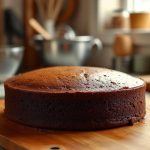
Since opening the oven door is risky, learn to use visual and tactile cues. The cake is done when the top is golden brown, the edges have started to pull away slightly from the sides of the pan, and when you gently press your fingertip on the surface, it should spring back, leaving no indentation. These signs are more reliable than a timer.
Once you’ve mastered this basic sponge, it becomes a versatile foundation for exploring a wide array of creative and delicious cake variations.
Creative variations for cakes without baking powder
Mastering the basic sponge cake opens a gateway to endless creativity. Its simple, delicate flavor profile and light texture make it the perfect base for a wide range of enhancements, from subtle citrus notes to rich chocolate and decadent fillings. These variations allow you to tailor the cake to any occasion without compromising the fundamental technique.
Incorporating flavors
Adding flavor directly to the batter must be done carefully to avoid weighing down the delicate foam.
- Citrus Zest: The zest of lemons, oranges, or limes is an excellent way to add bright, fresh flavor. For the best infusion, rub the zest into the granulated sugar with your fingertips before whipping it with the eggs. This releases the essential oils for a more potent aroma.
- Extracts and Spices: High-quality extracts like vanilla, almond, or orange blossom water can be added in the final minute of whipping the eggs. Ground spices like cinnamon or cardamom should be sifted with the flour to ensure even distribution.
- Chocolate and Cocoa: For a chocolate sponge, substitute a portion of the flour (usually about 20-25%) with high-quality, unsweetened cocoa powder. Be sure to sift the cocoa powder with the flour multiple times, as it tends to be lumpy and can be drying.
Adding fillings and toppings
The neutral canvas of a sponge cake is ideal for showcasing fillings and frostings. Because the cake itself is not overly sweet, it pairs beautifully with richer components. Consider slicing the cake into layers and filling it with fresh whipped cream and berries, a tangy lemon curd, or a silky chocolate ganache. It’s also the traditional base for tiramisu, where it’s soaked in coffee and layered with mascarpone cream. A simple dusting of powdered sugar or a light fruit glaze is often all that’s needed to finish it elegantly.
Adapting the texture
For a richer, moister, and more tender cake, you can incorporate a small amount of fat, transforming the basic sponge into a Genoise or Chiffon cake.
| Fat Type | Method | Result |
|---|---|---|
| Melted Butter (Genoise) | Gently fold in lukewarm melted butter as the very last step, after the flour. Take a scoop of batter and mix it into the butter first to lighten it before folding it back into the main batter. | A richer flavor, a more tender and moist crumb, and a longer shelf life. |
| Oil (Chiffon Cake) | In a separated-egg sponge, the oil is typically whisked into the egg yolk and sugar mixture before the dry ingredients are added and the whites are folded in. | An exceptionally moist and light cake that stays soft even when refrigerated. |
These additions slightly alter the classic sponge but introduce new dimensions of flavor and texture, expanding your baking repertoire even further.
Mastering the art of a soft cake without baking powder is a journey back to the fundamentals of baking. It relies not on chemical shortcuts but on the transformative power of simple ingredients handled with care and precision. By focusing on the quality of your ingredients, achieving perfect aeration of the eggs, and employing a gentle hand in folding and baking, you can create cakes with an unparalleled lightness and purity of flavor. This technique is more than just a recipe; it’s a foundational skill that elevates your understanding of pastry and rewards you with truly exceptional results.

- This Dried Fruit Improves Heart Health, Experts Say - 13 November 2025
- 3 Perennials You Should Divide in Autumn for a Healthier Garden Next Year - 13 November 2025
- This Simple Fruit on the Table Naturally Repels Gnats - 12 November 2025