
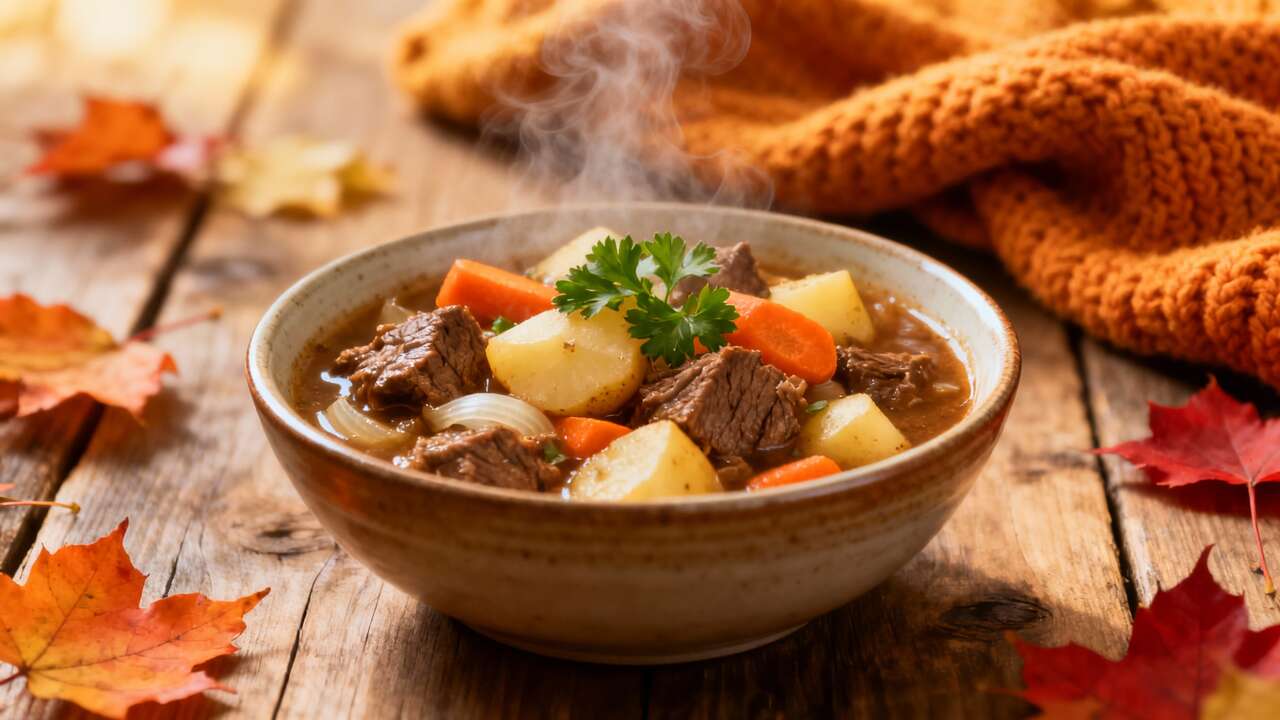

As the air sharpens and leaves blanket the ground in shades of amber and crimson, the kitchen naturally becomes the heart of the home. This shift in season calls for meals that do more than just nourish; they comfort and warm from the inside out. Stews, with their slow-simmered depths and rich aromas, are the quintessential autumn dish. They represent a culinary tradition rooted in patience and the celebration of the harvest, turning simple ingredients into a deeply satisfying experience perfect for crisp, cool evenings.
The Benefits of Stews for Autumn
Nutritional Advantages
One of the most compelling reasons to embrace stews during the fall is their exceptional nutritional profile. A single bowl often constitutes a complete, balanced meal. By combining protein, complex carbohydrates from root vegetables, and a variety of vitamins and minerals, stews offer a powerhouse of nourishment. They are an excellent way to increase vegetable intake, incorporating everything from hearty potatoes and carrots to leafy greens like kale and spinach. The slow cooking process also helps break down tougher fibers in both meat and vegetables, making them easier to digest and allowing for better nutrient absorption.
- Hydration: The broth-based nature of stews contributes to daily fluid intake, which is important even in cooler weather.
- Nutrient-Dense: Slow simmering helps retain more vitamins and minerals compared to high-heat cooking methods.
- Fiber-Rich: The abundance of vegetables and legumes supports digestive health and provides a lasting feeling of fullness.
Economic and Practical Perks
Beyond their health benefits, stews are a model of kitchen economy and practicality. They are the perfect vehicle for less expensive, tougher cuts of meat like beef chuck or pork shoulder. The magic of low-and-slow cooking transforms these cuts into something incredibly tender and flavorful, proving that a luxurious meal does not require a luxury budget. Furthermore, stews are ideal for making in large batches. Leftovers not only provide easy meals for the week but often develop a deeper, more melded flavor by the second day, making them a favorite for meal prepping.
| Meal Type | Primary Protein | Estimated Cost |
|---|---|---|
| Homemade Beef Stew | Beef Chuck | $4 – $6 |
| Grilled Steak Dinner | Sirloin or Ribeye | $12 – $18 |
| Chicken Stir-Fry | Chicken Breast | $5 – $7 |
| Restaurant Takeout | Varies | $15 – $25 |
The Comfort Factor
There is an undeniable emotional and psychological comfort associated with a simmering pot of stew. The process itself is a relaxing ritual, filling the home with an inviting, savory aroma that signals warmth and care. A warm bowl cradled in hand on a chilly evening provides a sense of coziness and well-being that few other meals can replicate. It is a dish that encourages gathering, sharing, and slowing down, making it the perfect centerpiece for a family meal as the nights draw in. This feeling of contentment is as nourishing as the ingredients themselves.
This blend of nutrition, practicality, and pure comfort makes stews an autumn essential. Starting with a recipe that embodies richness and warmth, a creamy pork stew is an excellent first exploration into the season’s best offerings.
Creamy Pork Stew
Core Ingredients and Flavor Profile
A departure from traditional tomato or beef-broth bases, the creamy pork stew offers a luxurious and velvety texture that is both comforting and elegant. The foundation of this dish is tender pork, typically from the shoulder or loin, which is browned to build a deep, savory base. The flavor profile is rich and mellow, built upon a classic mirepoix of onion, carrots, and celery, and often enhanced with earthy mushrooms and herbs like thyme or dill. The creaminess comes from a late addition of heavy cream, sour cream, or crème fraîche, which adds a slight tang and a silky finish that beautifully coats every ingredient.
- Pork: 1.5 to 2 pounds of boneless pork shoulder, cut into cubes.
- Aromatics: Yellow onion, garlic, carrots, and celery.
- Liquid: Chicken or vegetable broth and a dry white wine for deglazing.
- Creaminess: Heavy cream or full-fat sour cream.
- Herbs: Fresh thyme, parsley, and sometimes a bay leaf.
Preparation Technique
The key to a successful creamy pork stew lies in building layers of flavor at each step. The process begins with thoroughly browning the seasoned pork cubes in batches; this Maillard reaction is crucial for developing the stew’s deep, meaty taste. After removing the pork, the vegetables are softened in the same pot, scraping up the flavorful browned bits from the bottom. Deglazing the pot with white wine lifts these remnants and adds a touch of acidity. The broth is then added, and the stew is simmered gently until the pork is fork-tender. The final, transformative step is stirring in the cream and fresh herbs just before serving, being careful not to let it boil, which could cause it to curdle. Patience during the simmering phase is essential for achieving maximum tenderness.
Serving Suggestions
This rich and hearty stew pairs wonderfully with accompaniments that can soak up its delicious sauce. Classic choices include fluffy mashed potatoes, buttery egg noodles, or simply a loaf of crusty, rustic bread for dipping. For a slightly lighter option, it can be served over steamed rice or quinoa. A final garnish of freshly chopped parsley or chives adds a touch of brightness and a welcome contrast to the stew’s creamy richness.
From the velvety comfort of a creamy pork stew, we can journey to a more robust and wine-forward classic, a dish that has defined French comfort cooking for generations.
Easy Boeuf Bourguignon
Demystifying a French Classic
Boeuf bourguignon, or beef Burgundy, may carry an air of culinary complexity, but at its heart, it is a rustic, slow-cooked beef stew with peasant origins. Its elevation to a gastronomic icon is a testament to the power of simple ingredients and patient cooking. The dish is defined by tender chunks of beef braised in a full-bodied red wine, traditionally a Burgundy, along with beef broth, garlic, onions, and a bouquet garni. The signature additions of pearl onions and sautéed mushrooms, often enriched with bacon or lardons, complete this masterpiece. The “easy” version simplifies the process without sacrificing the deep, complex flavor that makes it so beloved.
The Role of Wine and Aromatics
The soul of boeuf bourguignon is undoubtedly the wine. It not only tenderizes the beef during the long braise but also infuses the entire dish with its character, creating a sauce that is both acidic and deeply savory. A dry, full-bodied red wine is essential. While Burgundy is traditional, other wines work beautifully. The aromatics, including a classic bouquet garni of thyme, parsley stems, and a bay leaf, provide an herbal backbone that complements the richness of the beef and wine.
| Wine Type | Flavor Profile | Why It Works |
|---|---|---|
| Pinot Noir (Burgundy) | Earthy, cherry, high acidity | The traditional choice; its acidity cuts through the fat. |
| Cabernet Sauvignon | Full-bodied, dark fruit, tannic | Creates a very robust and deeply colored sauce. |
| Merlot | Softer, plum, lower tannins | A great, approachable option for a smoother sauce. |
Step-by-Step to Perfection
Achieving a perfect boeuf bourguignon involves a series of straightforward steps. First, render bacon or lardons to create a flavorful fat for searing the beef. Patting the beef completely dry before searing is critical for getting a dark, even crust. After browning the meat, the aromatics are cooked until soft. The pot is then deglazed with the wine, and the beef and broth are returned for a long, slow simmer, ideally in a low oven, for at least two to three hours. The pearl onions and mushrooms are typically cooked separately and added near the end to maintain their texture. This methodical approach ensures every component is perfectly cooked and the flavors are harmoniously blended.
While boeuf bourguignon celebrates the classic pairing of beef and wine, other stews draw their inspiration directly from the season’s harvest, combining protein with the sweet and earthy notes of autumn produce.
Harvest Pork Stew
Celebrating Autumn’s Bounty
A harvest pork stew is the embodiment of autumn in a bowl. This recipe is less about strict rules and more about a flexible framework that celebrates the best produce the season has to offer. The base is tender pork, which pairs exceptionally well with the sweet and savory flavors of fall. Key ingredients often include hard squashes like butternut or acorn, root vegetables such as sweet potatoes and parsnips, and the quintessential autumn fruit: apples. The result is a stew with a beautiful balance of flavors, a chunky, satisfying texture, and a vibrant color palette that mirrors the fall landscape.
Ingredient Spotlight: Squash and Apples
The stars of a harvest stew are the seasonal additions that define its character. Butternut squash lends a sweet, nutty flavor and a creamy texture that can melt into the broth, helping to thicken it naturally. Apples, particularly a firm and tart variety like Granny Smith or Honeycrisp, provide a crucial element of bright acidity. This tanginess cuts through the richness of the pork and the sweetness of the other vegetables, creating a more balanced and dynamic flavor profile. The contrast between the savory pork and the sweet-tart fruit is what makes this stew so memorable.
- Other Harvest Ingredients: Consider adding cranberries for a pop of tartness, kale or chard for earthy greens, or celeriac for a unique, celery-like flavor.
- Herbs and Spices: Sage, thyme, and rosemary are classic pairings with pork and squash. A pinch of cinnamon or nutmeg can also enhance the autumnal feel.
Cooking for Maximum Flavor
To get the most out of this stew, begin by browning the pork with herbs to create a flavorful foundation. The heartier root vegetables can be added early on with the broth, but more delicate ingredients require different timing. This technique preserves texture and ensures no single element becomes mushy. The squash should be added about halfway through the cooking process, while the apples should go in during the last 20-30 minutes so they soften but still retain some of their shape and tartness. Using apple cider instead of or in addition to some of the broth can further amplify the stew’s seasonal character.
Moving from a stew that highlights seasonal variety, we now turn our attention to the undisputed champion of comfort food, a dish that defines the very idea of a hearty, homemade meal.
Homemade Beef Stew
The Anatomy of a Perfect Beef Stew
There are few dishes as universally cherished as a classic homemade beef stew. Its perfection lies in its simplicity and the deep, satisfying flavor that comes from slowly simmering humble ingredients. The core components are non-negotiable for most purists: tender, well-marbled beef chuck, hearty chunks of potatoes and carrots, and a rich, savory broth. This broth is the soul of the stew, often fortified with beef stock, a bit of tomato paste for depth and color, and a dash of Worcestershire sauce or soy sauce for a hit of umami. A simple flour-and-butter roux or a cornstarch slurry added at the end gives the stew its signature thick, gravy-like consistency.
Common Mistakes to Avoid
While beef stew is straightforward, a few common pitfalls can stand between a good stew and a great one. Avoiding these simple mistakes can elevate your dish from average to exceptional. The most important step is developing flavor at the beginning, as this foundation carries through the entire dish. Rushing the process is the most frequent error, as slow simmering is what transforms tough beef into a melt-in-your-mouth delicacy.
- Not browning the meat properly: Searing the beef in a hot, uncrowded pan is essential for flavor. A gray, steamed exterior will result in a less flavorful stew.
- Using the wrong cut of beef: Lean cuts like sirloin will become tough and dry. A cut with plenty of collagen and connective tissue, like chuck roast, is ideal.
- Adding all vegetables at once: Potatoes and carrots need a long time to cook, but softer vegetables like peas or green beans should be added in the last few minutes.
- Not simmering long enough: The beef needs at least 1.5 to 2 hours of gentle simmering to become truly tender.
Variations and Customizations
The beauty of a homemade beef stew is its adaptability. Once you have mastered the basic technique, it becomes a canvas for countless variations. For a deeper, more complex broth, substitute some of the beef stock with a dark beer, such as a stout or a porter. Adding different herbs like fresh rosemary or bay leaves can change the aromatic profile. For a touch of brightness at the end, stir in some frozen peas or a splash of red wine vinegar. Serving it with a dollop of sour cream or a sprinkle of gremolata (minced parsley, lemon zest, and garlic) can also add a fresh, vibrant finish to this timeless classic.
Having explored the pillars of Western stew-making, from French classics to American comfort food, our culinary journey now takes us to a different part of the world to discover a fragrant and deeply beloved herb-based stew.
Ghormeh Sabzi (Persian Herb Stew)
An Introduction to a Persian Jewel
Ghormeh Sabzi is more than just a stew; it is a cultural icon and widely considered the national dish of Iran. Its appearance is striking—a deep, dark green stew that is unlike any other. The name translates to “stewed herbs,” which perfectly describes its essence. It is an aromatic, savory, and wonderfully tangy dish built on a foundation of sautéed fresh herbs, which are simmered for hours with chunks of lamb or beef, kidney beans, and its most unique ingredient: dried limes. The resulting flavor is complex, herbaceous, and utterly distinctive, representing a cornerstone of Persian cuisine.
The Unique Flavor Combination
The signature taste of Ghormeh Sabzi comes from a carefully balanced combination of ingredients that are not commonly found together in Western cooking. The massive quantity of fresh herbs provides a fresh, grassy base, while the fenugreek adds a slightly bitter, maple-like aroma that is central to the dish. The most transformative ingredient, however, is the limoo amani, or dried Persian lime. These limes are pierced and added whole to the stew, where they slowly release a potent, sour, and slightly musky flavor that cuts through the richness of the meat and herbs, creating a perfect harmony of tastes.
| Ingredient | Flavor Contribution |
|---|---|
| Parsley & Cilantro | Fresh, green, herbaceous base |
| Fenugreek Leaves (dried) | Pungent, aromatic, slightly bitter |
| Dried Limes (Limoo Amani) | Intensely sour, tangy, earthy |
| Turmeric | Warm, earthy color and flavor |
Serving and Cultural Significance
Ghormeh Sabzi is almost always served over a bed of fluffy, long-grain Persian rice, known as chelow, often with a crispy bottom layer called tahdig. The combination of the fluffy rice and the rich, flavorful stew is a match made in culinary heaven. This dish is a labor of love, often prepared for family gatherings, celebrations, and special guests. Its preparation is a cherished ritual in many households, and the aroma that fills the home as it simmers is synonymous with hospitality and tradition. Tasting Ghormeh Sabzi is not just eating a meal; it is experiencing a piece of Persian culture.
These diverse recipes, ranging from creamy and comforting to robust and aromatic, demonstrate that a stew can be tailored to any palate. Each one offers a unique way to celebrate the flavors of the season, providing warmth and nourishment as the days grow shorter and the air becomes crisp. They are a reminder that some of the best meals are born from simple ingredients and the patience of a slow simmer.

- This Dried Fruit Improves Heart Health, Experts Say - 13 November 2025
- 3 Perennials You Should Divide in Autumn for a Healthier Garden Next Year - 13 November 2025
- This Simple Fruit on the Table Naturally Repels Gnats - 12 November 2025