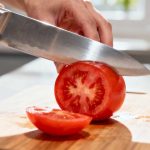
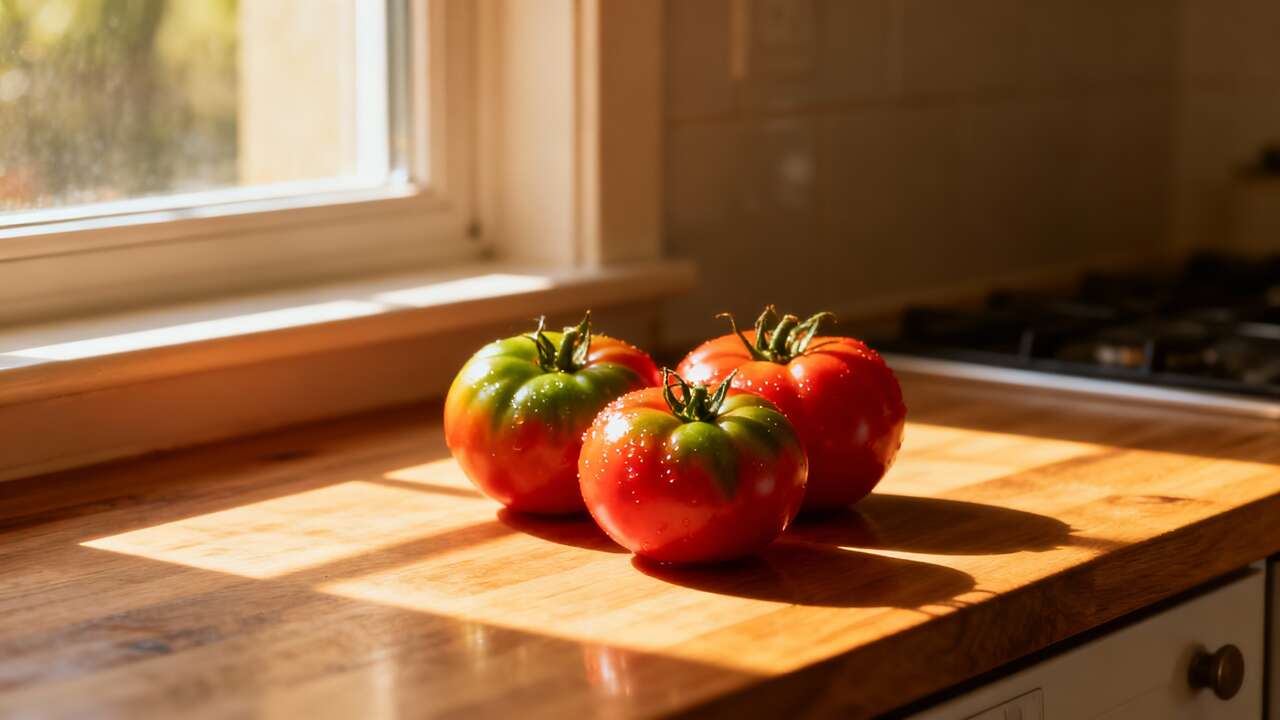

It is a common habit, a seemingly logical step in preserving fresh produce: placing newly bought tomatoes in the crisper drawer of the refrigerator. Yet, this widespread practice is the single biggest mistake that robs the fruit of its signature flavor and texture. Scientific evidence and culinary wisdom converge on one clear directive: for a truly delicious tomato, the refrigerator is its greatest foe. Understanding the intricate processes that occur within the fruit reveals why the kitchen counter, not the cold shelf, is its rightful home.
The cold and its impact on tomatoes
The science of chilling injury
At the heart of the issue is a phenomenon known as chilling injury. Tomatoes are subtropical in origin, making them inherently sensitive to cold temperatures. When a tomato is exposed to temperatures below approximately 54°F (12°C), its natural metabolic processes are severely disrupted. The enzymes responsible for creating the complex array of volatile compounds that we perceive as flavor and aroma are effectively shut down. This is not a temporary pause; the damage is often permanent. A tomato that has been chilled loses its ability to continue ripening and developing the sugars and acids that create its characteristic taste profile. Even returning it to room temperature cannot fully revive these dormant flavor-producing mechanisms.
Cellular degradation and texture loss
The impact of cold extends beyond flavor. On a microscopic level, refrigeration wreaks havoc on the tomato’s delicate cell structure. The membranes that hold water and give the fruit its firm, juicy flesh begin to break down. This cellular collapse causes water to leak out, resulting in a change in texture that is all too familiar: the tomato becomes soft, watery, and develops a grainy, mealy consistency. A once-plump fruit is reduced to a mushy disappointment, its structural integrity compromised by the cold. This physical degradation is a direct consequence of the fruit’s inability to withstand the stress of a refrigerated environment.
The journey from a vibrant, flavorful fruit to a bland, mealy shadow of its former self is a direct result of this chilling injury. Recognizing this process is the first step toward preserving the quality of tomatoes, which leads to the crucial question of how they should be stored for optimal results.
How to properly store tomatoes at room temperature
Finding the ideal location
Proper storage is simple and requires no special equipment. The best place for tomatoes is on a countertop, away from direct sunlight. While they need warmth to ripen, intense, direct heat from the sun can cause the skins to wrinkle and the flesh to become soft too quickly, leading to uneven ripening or spoilage. Similarly, keep them away from heat sources like a stove or toaster. A bowl or a flat tray that allows for some air circulation is ideal. It is also a common debate whether to store them stem-side up or down. Storing them stem-side down can be beneficial, as it protects the most tender part of the fruit where it was attached to the vine, preventing moisture from escaping and blocking air from entering.
A guide to managing ripeness
Not all tomatoes are at the same stage of ripeness when purchased. Managing them correctly ensures you get the most out of each one.
- For underripe tomatoes: Place them in a single layer, not piled on top of each other, to allow air to circulate freely. This prevents bruising and promotes even ripening.
- For perfectly ripe tomatoes: These are ready to be eaten. If you cannot use them immediately, they will hold their quality on the counter for a day or two. This is the stage at which their flavor is at its peak.
- For overripe tomatoes: If your tomatoes have become very soft and are on the verge of spoiling, it is time to cook them. They are perfect for sauces, soups, or roasting, where their concentrated flavor can shine.
The only exception to the no-fridge rule is for a tomato that is perfectly ripe and you need to extend its life by just one more day. In this case, refrigeration is a last resort to prevent spoilage, but be aware that it comes at the cost of texture and some flavor.
While proper storage preserves the qualities of a ripe tomato, the effects of improper storage are stark and detrimental, fundamentally altering the very essence of what makes the fruit so appealing.
The effects of the fridge on the texture and taste of tomatoes
The destruction of flavor compounds
The rich, complex flavor of a tomato is not a single note but a symphony of over 400 different volatile compounds. These compounds, which create the fruit’s signature aroma and taste, are incredibly delicate. The cold environment of a refrigerator halts the production of key volatiles, such as cis-3-hexenal, which provides a fresh, green note. The result is a tomato that tastes one-dimensional, watery, and bland. The vibrant balance of sweetness and acidity is muted, leaving behind a hollow impression of what the flavor should be. This chemical sabotage is the primary reason why a refrigerated tomato can never compare to one stored at room temperature.
From firm to mealy: a textural breakdown
The textural transformation is just as dramatic. As mentioned, the cold damages the cell walls, leading to a loss of turgor pressure. This is what turns a firm, crisp tomato into a soft, mealy one. The pleasing snap of the skin and the juicy burst of the flesh are replaced by a grainy, cottony mouthfeel. To better illustrate the stark contrast, consider the following comparison between a room-temperature tomato and a refrigerated one.
| Characteristic | Room-Temperature Tomato | Refrigerated Tomato |
|---|---|---|
| Flavor Profile | Complex, sweet, and tangy with aromatic notes | Dull, watery, and bland with minimal aroma |
| Texture | Firm skin, juicy and tender flesh | Soft skin, mealy, grainy, and mushy flesh |
| Aroma | Fragrant, earthy, and distinctly “tomato-like” | Faint to non-existent |
| Juiciness | High, with a clean burst of liquid | Watery, with liquid separated from the flesh |
This side-by-side comparison makes the consequences of refrigeration clear. For those who might have underripe tomatoes, the goal is to guide them toward the desirable characteristics of the room-temperature column, not to halt their progress in the cold.
Tips to accelerate the ripening of tomatoes
Harnessing the power of ethylene
If you have firm, greenish tomatoes, you can easily speed up their ripening process. The key is ethylene, a natural plant hormone that triggers ripening. Tomatoes produce ethylene themselves, but you can concentrate its effects. The most common method is to place the underripe tomatoes in a paper bag or a cardboard box. This traps the ethylene gas they release, creating an environment that encourages them to ripen faster. Be sure to check on them daily, as the process can happen quickly.
Using companion fruits for a boost
To give your tomatoes an extra push, you can add another ethylene-producing fruit to the bag. Certain fruits are known for being high ethylene producers and are excellent ripening companions.
- Apples
- Bananas (especially those with some brown spots)
- Avocados
- Pears
Placing one of these alongside your tomatoes in the paper bag will significantly accelerate the ripening. Avoid using a plastic bag, as it traps moisture as well as ethylene, which can promote mold growth and rot.
Mastering ripening techniques ensures that fewer tomatoes go to waste. This has benefits that extend beyond the kitchen, touching upon broader issues of economic and environmental responsibility.
The environmental and economic consequences of waste
The link between improper storage and food waste
When tomatoes are stored incorrectly, their quality diminishes rapidly. A mealy, flavorless tomato is far more likely to be discarded than a delicious, ripe one. This contributes directly to the staggering problem of household food waste. Every tomato thrown away represents a waste of the water, energy, and labor that went into growing, harvesting, and transporting it. By simply storing tomatoes on the counter, consumers can improve their eating experience and simultaneously reduce their contribution to landfills, where decomposing organic matter releases methane, a potent greenhouse gas.
The financial impact on households
Beyond the environmental toll, food waste has a direct economic cost. Produce is a significant part of any grocery budget, and throwing away spoiled food is equivalent to throwing away money. Adopting proper storage practices is a simple yet effective way to maximize the return on your grocery investment. Ensuring that every tomato purchased is eaten at its peak quality means less waste and more value. This small change in habit can lead to tangible savings over time, making your kitchen more efficient and your budget healthier.
Understanding the science behind why a tomato tastes the way it does reinforces the importance of these storage practices, connecting the dots between chemistry and culinary excellence.
Science and cooking: understanding the chemical reactions of tomatoes
The delicate balance of sugars and acids
The quintessential taste of a great tomato hinges on a perfect harmony between sugars (like fructose and glucose) and acids (primarily citric and malic acid). During the final stages of ripening, which occur best at room temperature, a tomato converts its starches into sugars, sweetening the fruit and balancing its natural acidity. The cold of a refrigerator abruptly halts this conversion process. As a result, a chilled tomato often tastes more acidic or simply flat, because it never had the chance to develop the full spectrum of sugars needed for a well-rounded flavor. Respecting this chemical process is fundamental to enjoying the fruit as nature intended.
Lycopene, color, and nutritional value
Tomatoes are famously rich in lycopene, a powerful antioxidant responsible for their deep red color. While refrigeration does not destroy existing lycopene, it does stop the fruit from producing more. A tomato continues to develop its color and nutritional profile as it ripens. By chilling an underripe tomato, you are not only sacrificing flavor but also capping its potential to become as nutrient-dense as it could be. Allowing it to ripen fully on the counter ensures it develops its most vibrant color, which is a visual indicator of its peak nutritional state.
Ultimately, this scientific knowledge empowers cooks to make better decisions. Whether for a fresh caprese salad, a rich pasta sauce, or a simple slice on a sandwich, starting with a tomato that has been treated with care is the first and most critical step. It is a testament to the principle that great cooking begins with great ingredients, handled correctly.
The evidence is clear and compelling. From the cellular structure to the complex chemistry of flavor, every aspect of a tomato is negatively affected by cold storage. The simple act of leaving tomatoes on the counter preserves their intended taste and texture, reduces waste, and honors the integrity of the ingredient. Adopting this practice is one of the easiest and most impactful changes one can make for a more flavorful and sustainable kitchen.

- This Dried Fruit Improves Heart Health, Experts Say - 13 November 2025
- 3 Perennials You Should Divide in Autumn for a Healthier Garden Next Year - 13 November 2025
- This Simple Fruit on the Table Naturally Repels Gnats - 12 November 2025