
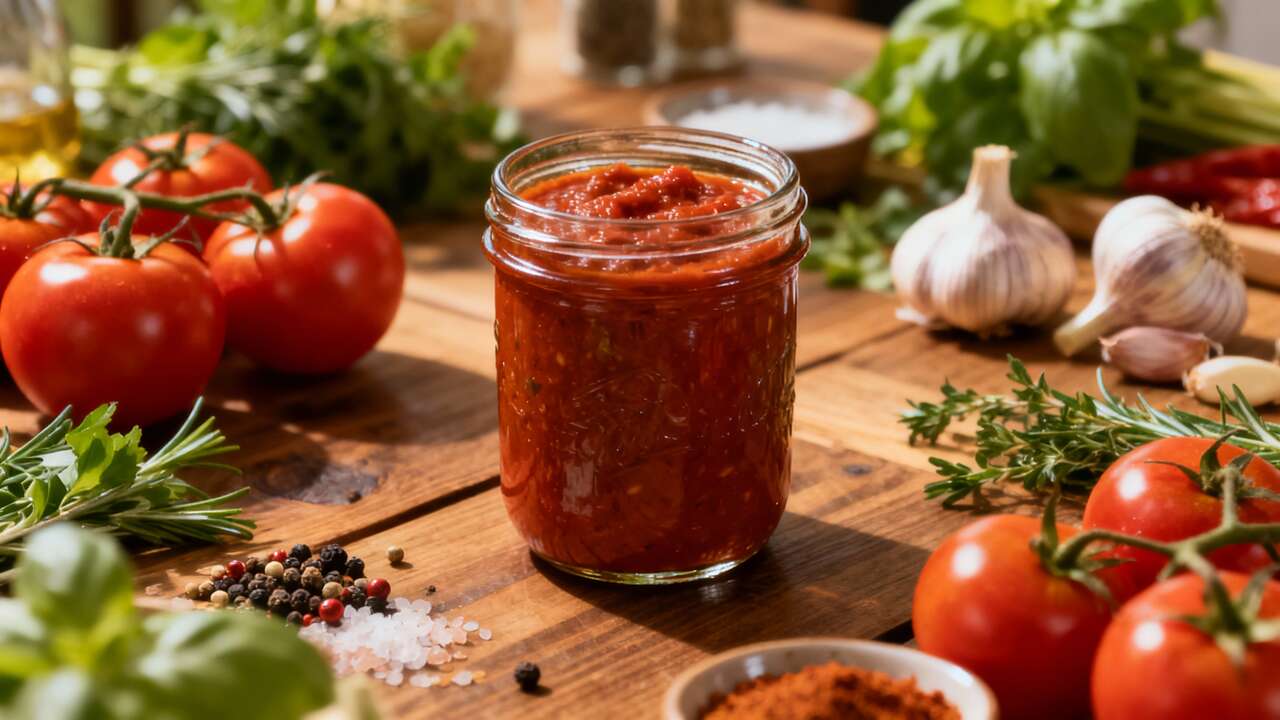

The modern pantry is often a museum of half-used bottles and jars: ketchup, mustard, barbecue sauce, salad dressings, and marinades line the refrigerator door, each promising a burst of flavor. Yet, a closer look at their labels reveals a less appetizing story of high-fructose corn syrup, modified food starch, and a host of unpronounceable preservatives. This reliance on mass-produced condiments has created a flavor monopoly in many kitchens, masking the true taste of food rather than enhancing it. There is, however, a simple and powerful alternative: a single, versatile homemade condiment that can be crafted in minutes and adapted to replace nearly every sauce on the shelf, offering superior taste, nutrition, and control.
Why Choose a Homemade Condiment ?
Control Over Ingredients
The single most compelling reason to create your own condiment is the absolute control it grants you over what goes into your food and, consequently, your body. Commercial sauce production is often geared towards maximizing shelf life and minimizing costs, which can lead to the inclusion of less-than-ideal ingredients. When you make a sauce at home, you are the sole arbiter of quality. You choose the freshness of the herbs, the quality of the oil, and the type of sweetener. There are no hidden components or proprietary “flavor systems”. What you see is precisely what you get, ensuring a pure and honest product.
Superior Flavor Profile
Store-bought sauces are designed to have a uniform, predictable taste that appeals to the broadest possible audience. This often results in a flavor that is one-dimensional and overly sweet or salty. A homemade condiment, on the other hand, can be a symphony of complex and vibrant flavors. Using fresh garlic instead of garlic powder, fresh herbs instead of dried, and high-quality vinegar instead of industrial-grade acetic acid creates a depth and brightness that manufactured products simply cannot replicate. You can toast your own spices to release their aromatic oils and adjust the balance of sweet, sour, salty, and spicy to perfectly match your palate. This customization results in a condiment that truly complements your food, rather than overpowering it.
Avoiding Hidden Additives
Commercial condiments are frequently loaded with additives to improve texture, color, and stability. While many are considered safe, consumers are increasingly wary of long-term exposure to these synthetic compounds. Making your own sauce allows you to completely bypass these concerns. You can avoid:
- Preservatives: such as sodium benzoate and potassium sorbate, which are used to prevent spoilage.
- Thickeners: like xanthan gum or modified corn starch, which create an artificially viscous consistency.
- Artificial Colors: for example, caramel color or red 40, which are used for purely cosmetic purposes.
- Flavor Enhancers: most notably monosodium glutamate (MSG) and disodium inosinate, designed to make flavors more intense.
By eliminating these from your diet, you embrace a cleaner, more natural approach to eating. The focus shifts from artificial enhancement to the inherent quality of the ingredients themselves, which is a fundamental step toward a more mindful and healthful way of cooking and eating.
Nutritional Benefits of Homemade Sauces
Lower Sodium and Sugar Content
One of the most significant nutritional drawbacks of commercial sauces is their alarmingly high content of sodium and sugar. These ingredients are used liberally as preservatives and flavor enhancers, often turning a seemingly innocent condiment into a major source of empty calories and a contributor to high blood pressure. A homemade version puts you in complete control of these elements. You can reduce the salt significantly, relying instead on herbs, spices, and acidity for flavor. Similarly, you can replace refined sugars or high-fructose corn syrup with smaller amounts of natural sweeteners like honey, maple syrup, or even pureed fruit. The difference can be stark, as illustrated by a typical comparison.
| Nutrient (per 2 tbsp serving) | Typical Store-Bought BBQ Sauce | Typical Homemade Condiment |
|---|---|---|
| Sodium | 350mg | 80mg |
| Sugar | 16g | 4g |
| Calories | 70 | 35 |
Increased Nutrient Density
Beyond simply avoiding negative ingredients, making your own sauces allows you to actively add beneficial ones. You can fortify your condiment with nutrient-dense foods that would never be found in a mass-market product. Consider blending in fresh ingredients like ginger, which has anti-inflammatory properties, or turmeric, known for its antioxidant curcumin. Other possibilities include adding pureed vegetables like roasted red peppers or carrots for a boost of vitamins and fiber, or incorporating healthy fats from sources like avocado oil or tahini. This transforms your condiment from a simple flavoring agent into a functional food that contributes positively to your overall health.
Customization for Dietary Needs
A homemade condiment is infinitely adaptable, making it an invaluable tool for anyone with specific dietary restrictions or preferences. Those on a low-fodmap diet can omit garlic and onions, while individuals with celiac disease can ensure all ingredients, such as the soy sauce or tamari, are certified gluten-free. If you are following a ketogenic diet, you can use a sugar-free sweetener. For those with allergies, you can eliminate nuts, dairy, or other potential triggers. This level of customization is impossible to find in a store-bought product, empowering you to create delicious food that is perfectly safe and suitable for your unique health requirements.
Understanding the nutritional advantages and the ability to tailor a sauce to your needs naturally leads to the question of what core components are required to build such a versatile and healthy condiment from scratch.
Essential Ingredients for a Versatile Condiment
The Base: Acidity and Body
Every great sauce is built on a solid foundation, which typically consists of an acidic element and an ingredient that provides body or substance. The acid is crucial for brightness, flavor balance, and preservation. Excellent choices include apple cider vinegar, red wine vinegar, balsamic vinegar, or fresh citrus juice like lemon or lime. The body of the sauce gives it its texture and ability to cling to food. This can be achieved with a tomato base (paste or crushed tomatoes), a healthy oil like extra virgin olive oil, or even a vegetable puree for a thicker consistency.
The Flavor Builders: Umami and Spices
With the base established, the next layer involves building deep, savory flavors. This is where umami, the fifth taste, comes into play. Ingredients rich in umami provide a satisfying, mouth-watering quality that forms the heart of the condiment. Key sources include:
- Tamari or coconut aminos (a gluten-free soy sauce alternative)
- Miso paste
- Mushroom powder
- Nutritional yeast
Spices are equally critical for adding complexity. Toasted and ground cumin, smoked paprika, coriander, and black pepper are excellent starting points. A good quality garlic powder and onion powder can also be used for a foundational aromatic flavor, especially when fresh versions are not practical.
The Enhancers: Sweetness and Heat
The final touches involve balancing the flavors with a hint of sweetness and, if desired, a bit of heat. The sweetness should complement the other ingredients, not dominate them. A small amount of pure maple syrup, date paste, or raw honey can counteract the bitterness of some spices and the sharpness of the vinegar. For heat, the options are plentiful. A pinch of cayenne pepper or red pepper flakes provides a straightforward kick, while a chipotle powder can add a wonderful smoky heat. For a more complex, fruity spiciness, a small amount of your favorite hot sauce can be incorporated directly into the condiment.
With these building blocks in mind, assembling them into a cohesive and delicious final product is a surprisingly simple process.
Simple Recipe for a Must-Have Homemade Condiment
Ingredient List
This recipe creates a foundational sauce that is balanced, flavorful, and easily customized. The goal is versatility, providing a canvas that you can adjust to suit any dish. You will need the following:
- 1/2 cup tomato paste
- 1/4 cup apple cider vinegar
- 3 tablespoons tamari or coconut aminos
- 2 tablespoons pure maple syrup
- 1 tablespoon extra virgin olive oil
- 1 teaspoon smoked paprika
- 1 teaspoon garlic powder
- 1/2 teaspoon onion powder
- 1/4 teaspoon black pepper
- Water, to thin as needed (typically 2-4 tablespoons)
Step-by-Step Instructions
Creating this condiment requires no special equipment and can be completed in under five minutes. The process is straightforward: combine and whisk. First, place the tomato paste, apple cider vinegar, tamari, maple syrup, and olive oil into a medium-sized bowl. Whisk these wet ingredients together until they are smooth and fully incorporated. Next, add the smoked paprika, garlic powder, onion powder, and black pepper to the bowl. Whisk again vigorously to ensure the spices are evenly distributed and there are no clumps. Finally, assess the consistency. If the sauce is thicker than you prefer, add water one tablespoon at a time, whisking after each addition, until you reach your desired texture. For a smoother result, you can use an immersion blender for about 30 seconds.
Storage and Shelf Life
Once prepared, transfer the condiment to a clean, airtight glass jar or squeeze bottle. Because it contains vinegar and has a low water activity, it has a surprisingly long shelf life when stored properly in the refrigerator. It will easily keep for up to four weeks. Always use a clean utensil when serving to avoid introducing bacteria. You may notice the flavors meld and deepen after a day or two in the refrigerator, so it is often even better the next day. This simple recipe now becomes the key to unlocking a world of culinary possibilities.
Now that you have this all-purpose condiment ready, you can begin exploring the myriad ways it can replace the collection of bottles cluttering your refrigerator.
Ideas for Replacing Your Store-Bought Sauces
As a Marinade or Glaze
This homemade condiment serves as an exceptional base for a marinade. Its acidic content from the vinegar helps to tenderize meat, while its rich umami and spice profile infuse it with deep flavor. To use it as a marinade for chicken, pork, or beef, simply thin it with a little extra oil or water and coat the meat thoroughly, allowing it to rest for at least 30 minutes before cooking. It also works beautifully as a glaze. Brush it onto salmon, ribs, or roasted vegetables during the last few minutes of cooking. The maple syrup will caramelize under the heat, creating a delicious, sticky crust that is far healthier than glazes made with corn syrup.
As a Salad Dressing or Dip
Forget bottled ranch or vinaigrette. This condiment can be transformed into a creamy, zesty salad dressing with a few simple additions. Whisk it with an equal part of plain yogurt or tahini for a creamy texture, and thin with a splash of lemon juice or water until it reaches a pourable consistency. It can also be used as a standalone dip for raw vegetables, French fries, or chicken wings, offering a tangy and smoky alternative to ketchup or traditional barbecue sauce. Its versatility makes it a perfect centerpiece for a platter of appetizers.
As a Sandwich Spread or Topping
Elevate your everyday sandwiches and burgers by replacing mayonnaise or other standard spreads. Its bold flavor profile can stand up to hearty ingredients, making it an ideal partner for a pulled pork sandwich, a grilled chicken wrap, or a classic hamburger. A generous dollop can also be used as a finishing sauce, drizzled over tacos, grain bowls, or scrambled eggs to add a final burst of flavor. This one jar effectively takes the place of multiple specialized sauces, simplifying your meal preparation while simultaneously enhancing the taste.
This newfound simplicity in the kitchen is mirrored by significant benefits that extend beyond just taste and nutrition, touching upon both your finances and your environmental footprint.
Cost Savings and Environmental Benefits of Homemade Condiments
Analyzing the Financial Impact
Specialty and organic sauces can be surprisingly expensive, with a single bottle often costing several dollars. While the initial purchase of base ingredients like high-quality vinegar or spices may seem like an investment, they yield a far greater volume of product over time. By purchasing these items in bulk, the per-ounce cost of your homemade condiment becomes dramatically lower than that of its commercial counterparts. This approach not only saves money but also encourages a more resourceful and efficient kitchen pantry.
| Item | Cost per Ounce (Store-Bought) | Estimated Cost per Ounce (Homemade) |
|---|---|---|
| Organic BBQ Sauce | $0.45 | $0.18 |
| Gourmet Ketchup | $0.38 | $0.15 |
| All-Purpose Marinade | $0.52 | $0.20 |
Reducing Packaging Waste
The environmental benefit of making your own condiments is substantial. The commercial food industry generates an immense amount of packaging waste, with most sauces sold in single-use glass jars or plastic squeeze bottles. By creating your own sauce and storing it in a reusable glass jar, you eliminate a significant source of household trash. This simple act, when adopted consistently, contributes to a reduction in landfill waste, resource consumption, and the carbon footprint associated with manufacturing and transporting packaged goods. It is a small but meaningful step toward a more sustainable lifestyle, aligning your culinary practices with your environmental values.
Embracing a single, homemade condiment offers a powerful solution to the over-reliance on processed foods. It provides complete control over ingredients, leading to superior flavor and significant nutritional advantages by reducing sodium and sugar. This versatile sauce can replace countless store-bought options, serving as everything from a marinade to a sandwich spread. Ultimately, this practice not only enhances your meals but also delivers tangible financial savings and reduces your environmental impact, proving that the best flavors often come from the simplest, most intentional choices made in your own kitchen.

- This Dried Fruit Improves Heart Health, Experts Say - 13 November 2025
- 3 Perennials You Should Divide in Autumn for a Healthier Garden Next Year - 13 November 2025
- This Simple Fruit on the Table Naturally Repels Gnats - 12 November 2025