
A peculiar kitchen trend has captured the attention of millions on social media, sparking a mixture of intrigue and alarm. The appliance at the center of this viral debate is not a new air fryer or a high-tech blender, but the humble dishwasher. Once reserved for dirty plates and cutlery, it is now being promoted as a multi-purpose tool for washing and even cooking vegetables. This phenomenon, which gained significant traction on platforms like TikTok, has prompted a wave of experimentation, but it has also drawn sharp criticism from food safety experts who warn of the potential dangers lurking behind this seemingly clever hack.
What is the dishwasher vegetable cooking trend ?
The origin of a viral phenomenon
The trend exploded in mid-2024, propelled by a short video that quickly amassed millions of views. The clip depicted a user enthusiastically loading fresh produce, from carrots to tomatoes, into the racks of their dishwasher, presenting it as a time-saving cleaning hack. Under hashtags like #dishwasherhack, the concept spread like wildfire, with countless others replicating the method. The core idea presented in these viral posts was not about cooking but about washing vegetables on a massive scale with minimal effort, using a cold cycle and sometimes a splash of white vinegar in place of detergent.
Distinguishing washing from cooking
It is crucial to differentiate between two distinct practices that often get conflated under this trend. The viral TikTok movement primarily focuses on washing produce. This involves using a cold, rinse-only cycle to clean fruits and vegetables. In contrast, the concept of cooking in a dishwasher is an older, more niche technique. This method involves sealing food in airtight containers, such as vacuum-sealed bags or mason jars, and using the heat from a full wash and dry cycle to cook it gently. While the TikTok trend is a recent social media fad, dishwasher cooking has been a curiosity among experimental home cooks for years, often compared to the sous-vide method.
With a clear distinction made between the viral washing hack and the niche cooking method, it becomes important to understand the specific steps each one entails.
How does the dishwasher cooking method work ?
The viral washing technique explained
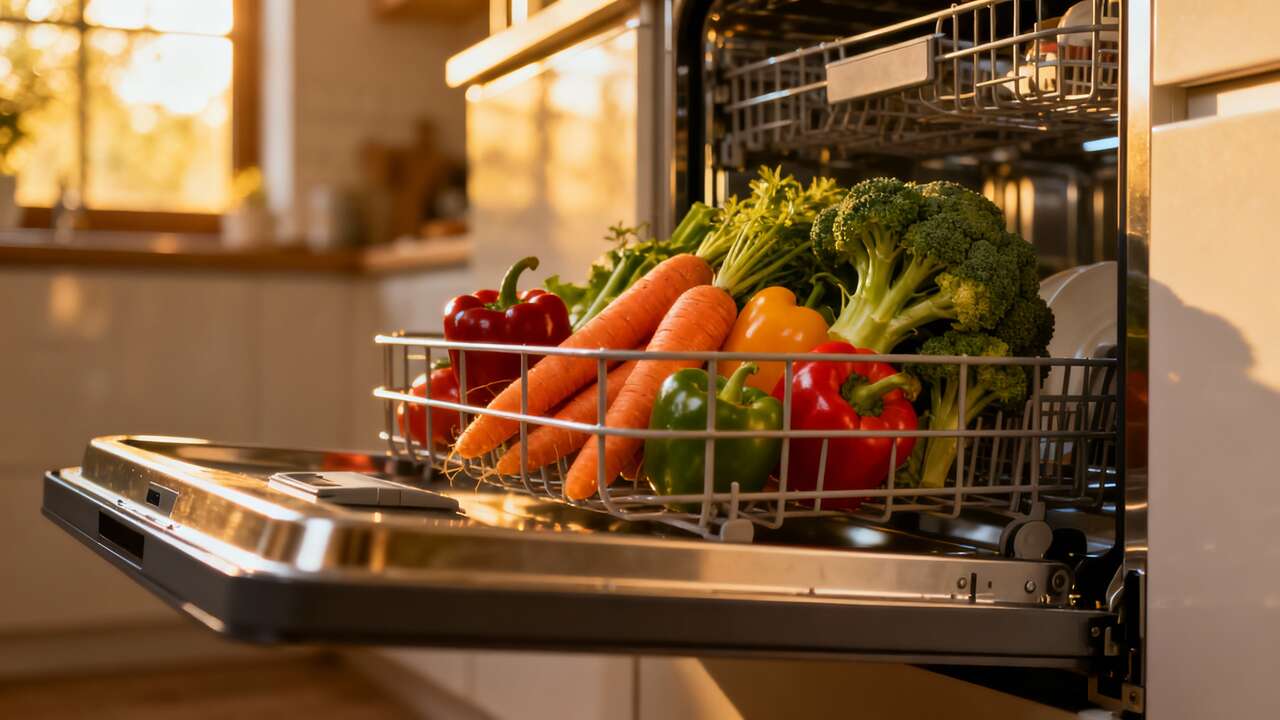
The method popularized on social media is deceptively simple. Proponents suggest arranging unwashed vegetables, such as potatoes, celery, and bell peppers, on the top and bottom racks of the dishwasher as if they were dishes. Instead of adding a detergent pod, they recommend pouring white vinegar into the dispenser, claiming it helps clean the produce without leaving a chemical residue. The user then selects a cold water cycle or a rinse-only setting. The theory is that the powerful jets of water will effectively remove dirt and pesticides, saving the user the tedious task of scrubbing each item by hand.
The “sous-vide” cooking approach
Actually cooking food in a dishwasher requires a completely different approach and relies on the principles of gentle, consistent heat. This technique is most famously used for delicate proteins like fish but can also be adapted for vegetables. The process involves:
- Seasoning the food: Vegetables or proteins are seasoned as desired.
- Sealing the food: The food must be placed in a completely waterproof and airtight container. This is the most critical step. Options include vacuum-sealed bags, high-quality silicone pouches, or tightly sealed glass jars.
- Running a hot cycle: The sealed packages are placed on the top rack of the dishwasher. A full, hot wash cycle, including a heated dry setting, is then run without any detergent or rinse aid. The hot water and steam circulate around the container, cooking the food slowly and evenly.
Key settings and tools
The two methods serve different purposes and require different settings, a distinction that is often lost in the social media frenzy. The following table clarifies the fundamental differences between the washing hack and the actual cooking technique.
| Feature | Washing Method (TikTok Trend) | Cooking Method (Niche Hack) |
|---|---|---|
| Cycle Type | Cold, delicate, or rinse-only | Full hot wash and heated dry |
| Food Placement | Directly on racks | In airtight, sealed containers |
| Additives | White vinegar (optional), no soap | None (no soap or rinse aid) |
| Purpose | Cleaning dirt off produce | Gently cooking food |
Understanding these mechanics helps to see why some are drawn to the perceived advantages of these unconventional methods.
The potential benefits of cooking in the dishwasher
Claimed efficiency and convenience
The primary appeal of the dishwasher washing trend is its promise of unparalleled convenience. For individuals preparing large meals or processing a week’s worth of groceries, the idea of washing everything in one go is highly attractive. It purports to save both time and manual labor. For the cooking method, proponents argue it is an energy-efficient alternative to using a conventional oven, especially for small portions. The dishwasher is often running anyway, so using it to cook a side dish or a piece of fish is seen as an effective way to multitask.
Gentle cooking and flavor retention
When it comes to the actual cooking technique, the benefits are similar to those of sous-vide. The sealed container ensures that no moisture or flavor can escape during the cooking process. This results in incredibly tender and flavorful food that is difficult to overcook. The low, consistent temperature of the water in a dishwasher cycle is particularly well-suited for delicate foods like salmon, which can easily dry out with traditional high-heat cooking methods. Vegetables, especially root vegetables, can be “steamed” in a jar to a perfect, crisp-tender texture while retaining their nutrients and vibrant color.
However, these purported benefits are heavily outweighed by significant and well-documented risks that experts are eager to highlight.
The risks and downsides of this culinary practice
Food safety and contamination alerts
Food safety professionals from institutions like the National Science Foundation and Clemson University have issued strong warnings against using a dishwasher to wash or cook food. The primary concern is contamination. Dishwashers are designed to clean, not to be food-safe cooking environments. Experts point out several key risks:
- Chemical Residue: Even after a rinse cycle, traces of detergent, rinse aid, and other surfactants from previous washes can remain in the machine and get sprayed onto the food. These chemicals are not meant for human consumption.
- Cross-Contamination: The filter and drain of a dishwasher can harbor old food particles and dangerous bacteria like E. coli and Salmonella. Running a cycle, especially a cold one, can aerosolize these pathogens and coat the fresh produce with them.
- Bacterial Growth: An official from Clemson University noted that stagnant water often sits in the bottom of a dishwasher, creating a breeding ground for bacteria that can easily be transferred to food.
Inconsistent temperatures and unreliable results
For those attempting to cook in the dishwasher, another major downside is the lack of temperature control. Dishwashers are not precision cooking instruments. The water temperature can vary significantly between different models and even between different cycles on the same machine. This makes it nearly impossible to ensure that food, particularly meat or fish, reaches a safe internal temperature to kill harmful bacteria. The result is not only unpredictable in terms of texture and doneness but also potentially hazardous to one’s health.
Damage to the appliance
Beyond the health risks, introducing loose food items into a dishwasher can also damage the appliance itself. Small pieces of vegetables, dirt, or leaves can break off and clog the filter, spray arms, or drain pump. This can lead to poor performance, leaks, and expensive repairs, negating any perceived convenience or cost savings.
Despite these serious warnings, the trend continues to circulate, with many users sharing recipes they claim to have perfected.
Trending recipes to try in the dishwasher
Dishwasher salmon: a classic hack
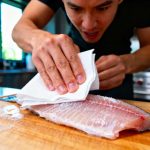
Perhaps the most well-known dishwasher recipe is for poached salmon. The instructions typically involve seasoning a salmon fillet with lemon, dill, and pepper, then sealing it meticulously. The key is to use either a professional-grade vacuum sealer or multiple, tightly wrapped layers of heavy-duty aluminum foil to create a completely waterproof pouch. The packet is then placed on the top rack and run through a full, hot wash-and-dry cycle. Proponents claim the result is a perfectly moist and flaky piece of fish.
Steamed vegetables in a jar
A popular method for vegetables involves using a glass canning jar with a secure, two-part lid. Chopped vegetables like asparagus, green beans, or baby carrots are placed in the jar with a small amount of water, broth, or butter and seasonings. The lid must be screwed on tightly to prevent any dishwasher water from getting inside. After a hot cycle, the vegetables are said to be perfectly steamed. This method is often touted for its ability to cook vegetables without losing nutrients to boiling water.
A word of caution
It is imperative to reiterate that while these recipes are widely shared online, they are not endorsed by food safety experts or professional chefs. The risk of a failed seal, which could lead to soapy, contaminated food, is significant. The inability to monitor the cooking temperature makes these methods inherently unsafe. Anyone attempting these recipes does so at their own risk, against the advice of the scientific community.
The stark contrast between the trend’s online popularity and the dire warnings from experts has led to a highly polarized public reaction.
The reactions of internet users to this TikTok trend
A divided audience
The response to the dishwasher vegetable trend on social media has been anything but uniform. The comment sections of viral videos are a battleground of opinions. On one side, thousands of users express fascination and applaud the ingenuity of the “hack.” They praise it as a clever time-saver and are eager to try it themselves. On the other side, an equally vocal group expresses horror and disgust. These users raise concerns about hygiene, chemical contamination, and general food safety, often labeling the practice as lazy and dangerous.
The expert pushback
While the online debate rages, the professional community has presented a united front. Food scientists, public health officials, and appliance manufacturers have overwhelmingly condemned the practice. Their warnings are not based on opinion but on scientific principles of microbiology and food safety. Experts have actively worked to debunk the trend, providing interviews and publishing articles to educate the public about the real risks of cross-contamination and chemical ingestion associated with using an appliance for a purpose for which it was never designed.
The viral trend of using a dishwasher for food preparation serves as a modern cautionary tale. The search for convenience and novelty in the kitchen, amplified by social media, can sometimes overshadow fundamental principles of safety and common sense. While the idea of a machine that washes and cooks your vegetables may seem appealing, the substantial risks of bacterial contamination and chemical residue cannot be ignored. Ultimately, the proven methods of washing produce in a sink with clean water and cooking with appliances designed for that purpose remain the most reliable and safest choices for any home cook.

- This Dried Fruit Improves Heart Health, Experts Say - 13 November 2025
- 3 Perennials You Should Divide in Autumn for a Healthier Garden Next Year - 13 November 2025
- This Simple Fruit on the Table Naturally Repels Gnats - 12 November 2025