
In the relentless pace of modern life, the evening meal often presents a paradox: a desire for something wholesome and flavorful clashing with the reality of limited time and energy. The culinary world, however, has offered a powerful solution that is reshaping weeknight cooking. The concept is simple yet transformative: an entire, satisfying meal, cooked from start to finish in a single piece of cookware. This approach streamlines the cooking process, minimizes cleanup, and, most importantly, creates deeply flavorful dishes where ingredients have the chance to meld and merge in a way that separate cooking methods rarely allow.
One-pan meals: simplicity and flavor
The philosophy of one-pan cooking
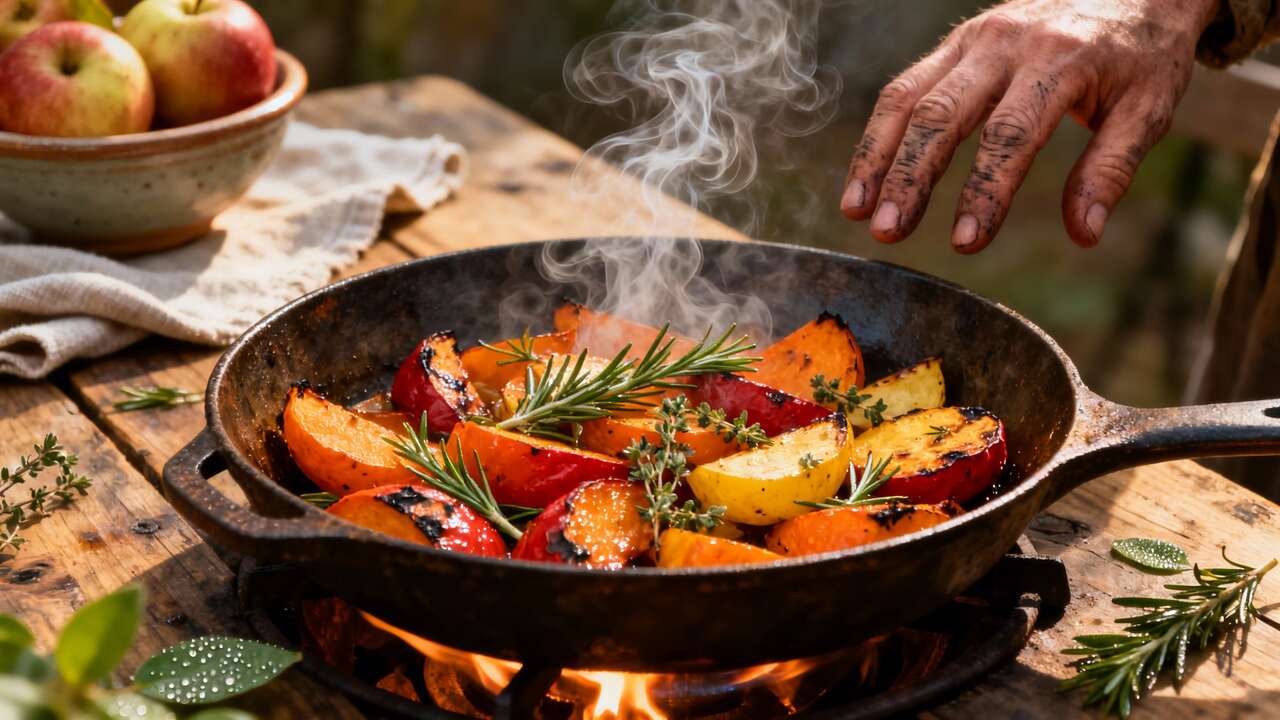
At its core, one-pan cooking is an exercise in efficiency and synergy. It is a method built on the idea that great food does not require a mountain of dishes. By containing all components within one vessel, whether a skillet, a Dutch oven, or a sheet pan, the cook orchestrates a sequence of additions that builds flavor layer by layer. The juices from a seared chicken thigh, the aroma of sautéed garlic and onions, and the starch from simmering rice all combine to create a sauce and a depth of taste that is both complex and comforting. This is not just a shortcut; it is a legitimate culinary technique that prioritizes the cohesion of the final dish.
Why they are more than a trend
While the popularity of one-pan meals has surged, their staying power comes from a set of fundamental benefits that address the timeless challenges of home cooking. This method has become a cornerstone of the modern kitchen because it consistently delivers on several key promises. These advantages ensure that one-pan cooking is far from a fleeting fad and is instead a permanent fixture in the home cook’s repertoire.
- Time Efficiency: The entire process, from prep to serving, is consolidated. There is no juggling of multiple pots on the stove or coordinating different cooking times in separate pans.
- Flavor Enhancement: Ingredients cooked together share and absorb each other’s flavors. This creates a more integrated and robust taste profile than if they were cooked separately and combined at the end.
- Nutritional Integrity: Nutrients that might be lost when boiling or steaming vegetables in water are instead retained in the pan, becoming part of the overall sauce or broth.
- Reduced Cleanup: This is perhaps the most celebrated benefit. With only one pot or pan to wash, along with a cutting board and a knife, the post-dinner cleanup is drastically reduced, freeing up valuable evening time.
The inherent simplicity and powerful flavor payoff of this cooking style make it a practical and appealing choice, which naturally leads to an exploration of the vast array of dishes that can be created using this method.
Variety of recipes to discover
From breakfast to dinner
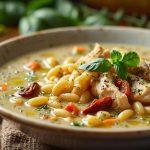
The versatility of the one-pan meal extends far beyond the evening meal. For breakfast, a cast-iron skillet can be used to create a hearty frittata or a savory hash with potatoes, sausage, and bell peppers, with eggs cracked directly on top to bake. For lunch, a quick skillet grain bowl with chickpeas and vegetables provides a nutritious and easy option. But it is at dinner where the concept truly shines, offering a nearly endless catalog of possibilities that are perfect for busy weeknights. Dishes like a creamy one-pot pesto chicken and orzo come together in under 30 minutes, delivering a restaurant-quality meal with minimal effort.
Global cuisines in a single pan
One of the most exciting aspects of one-pan cooking is its adaptability to global flavors. Home cooks can travel the world from their kitchen with a single skillet. An easy cashew chicken stir-fry brings the taste of Asia, while a Tex-Mex taco pasta creatively fuses Italian and Mexican influences into a comforting and family-friendly dish. Mediterranean flavors shine in recipes featuring lemon, olives, and fish, all roasted together on a sheet pan. Even complex Indian-inspired dishes, like a tandoori chicken and rice, can be simplified into a one-pot wonder, allowing the aromatic spices to perfume every grain of rice and morsel of chicken.
Vegetarian and vegan options
This cooking method is by no means limited to meat-eaters. In fact, it is exceptionally well-suited for plant-based cooking. A single pan can be used to create a rich and satisfying lentil stew with root vegetables, a vibrant curry with coconut milk, chickpeas, and spinach, or a skillet of za’atar-spiced tofu with couscous and roasted vegetables. For vegans, the ability to build flavor through sautéed aromatics, spices, and vegetable broth is key, and the one-pan method concentrates these flavors beautifully. The possibilities are vast, ensuring that everyone, regardless of dietary preference, can enjoy the convenience and taste of a one-pan meal.
Of course, the success of any recipe, regardless of its origin or dietary focus, depends entirely on the quality and selection of its components.
Choosing the best ingredients
The role of protein
The choice of protein is a critical starting point for many one-pan meals. Chicken thighs are often favored over breasts because their higher fat content keeps them moist and tender during longer cooking times. Sausages, both fresh and cured, are another excellent choice as they release flavorful fats that enrich the entire dish. For seafood, heartier fish like salmon or cod work well in sheet-pan meals, while shrimp should be added near the end of cooking to prevent them from becoming tough. For plant-based options, firm or extra-firm tofu and tempeh are ideal as they hold their shape, while canned beans and lentils can be stirred in for a quick and easy protein boost.
Selecting vegetables for success
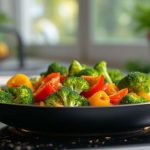
A successful one-pan meal requires thoughtful consideration of vegetable cooking times. Hard, dense root vegetables like potatoes and carrots need a head start, while more delicate vegetables such as bell peppers, zucchini, and broccoli require less time. Quick-cooking greens like spinach or kale can be wilted in during the final minutes. Grouping vegetables with similar cooking requirements is an essential strategy for achieving perfectly cooked results. The table below offers a general guide for roasting times at 400°F (200°C).
| Vegetable Category | Examples | Approximate Cooking Time |
|---|---|---|
| Hard Root Vegetables | Potatoes, Carrots, Sweet Potatoes | 30-45 minutes |
| Cruciferous Vegetables | Broccoli, Cauliflower, Brussels Sprouts | 20-25 minutes |
| Softer Vegetables | Bell Peppers, Onions, Zucchini | 15-20 minutes |
| Quick-Cooking Vegetables | Asparagus, Green Beans, Cherry Tomatoes | 10-15 minutes |
| Leafy Greens | Spinach, Kale, Arugula | 1-3 minutes |
Grains and starches that shine
Many one-pan recipes cleverly incorporate grains and starches that cook directly in the pan, absorbing the flavorful liquid and eliminating the need for a separate pot. Rice, especially long-grain varieties, is a classic choice. Orzo, a small, rice-shaped pasta, cooks quickly and adds a delightful texture. Quinoa and couscous are also excellent options that readily soak up broths and seasonings. When using these ingredients, it is crucial to get the liquid-to-grain ratio correct to ensure they cook through without becoming mushy or leaving the dish too dry. This integration of starch is where the one-pan meal truly becomes a complete, all-in-one dinner.
With the right ingredients selected, the focus can then shift to the specific methods that transform those individual components into a cohesive and delicious meal.
Effective cooking techniques
The importance of layering flavors
The secret to a remarkable one-pan meal lies in the deliberate layering of flavors. This process typically begins with searing the protein to develop a rich, brown crust—a process known as the Maillard reaction. After removing the protein, aromatics like onions, garlic, and celery are sautéed in the rendered fat. This is often followed by deglazing the pan with a liquid like wine, broth, or even water to lift all the flavorful browned bits (the fond) from the bottom. Finally, the remaining ingredients are added in order of their cooking time. This sequential process ensures that each ingredient contributes to a final dish that is far greater than the sum of its parts.
Mastering heat management
Controlling the temperature is crucial for one-pan success. High heat is necessary at the beginning for a good sear, but it often needs to be reduced to medium or low once liquids and longer-cooking ingredients are added to allow for even simmering and to prevent scorching. For sheet-pan meals, ensuring ingredients are spread in a single layer without overcrowding is vital for proper roasting and browning rather than steaming. An oven that is properly preheated guarantees that cooking begins immediately and proceeds evenly. Paying close attention to these heat dynamics is the difference between a perfectly executed dish and a culinary mishap.
The final flourish: garnishes and sauces
Just before serving, a final touch can elevate a simple one-pan meal into something special. A sprinkle of fresh herbs like parsley, cilantro, or basil can add a burst of freshness and color. A squeeze of lemon or lime juice can brighten the overall flavor profile, cutting through richness. For creamy dishes, a dollop of yogurt or sour cream adds a pleasant tang, while a drizzle of high-quality olive oil or a scattering of toasted nuts can provide a welcome textural contrast. These finishing elements take only a moment to add but can have a profound impact on the final taste experience.
While mastering these techniques ensures a delicious meal, a few simple strategies can also ensure that the promise of minimal cleanup is fully realized.
Tips for minimal dishwashing
Choosing the right cookware
The foundation of a low-mess meal is the pan itself. A well-seasoned cast-iron skillet is a versatile workhorse, perfect for everything from searing to baking. A Dutch oven is ideal for soups, stews, and braises that require slow, even cooking. For roasting, a heavy-duty, rimmed baking sheet is essential to contain juices and prevent spills in the oven. Using cookware with a high-quality, non-stick surface can also make cleanup significantly easier, though care must be taken not to use metal utensils that could scratch it. Investing in one or two high-quality, multi-purpose pans is a wise decision for any home cook.
Prep work strategies
Efficiency in the kitchen starts before the stove is even turned on. Adopting a “mise en place” approach—having all ingredients chopped and measured before you begin—can streamline the cooking process. To further reduce cleanup, consider these tips:
- Use a single large cutting board for all your vegetables, washing it only once.
- If preparing meat, use a separate, small plastic board that is easy to wash or place in the dishwasher.
- Line your sheet pans with parchment paper or aluminum foil for roasting. This allows you to simply discard the liner, leaving a nearly clean pan behind.
- Use kitchen shears to cut herbs, scallions, or even boneless chicken directly into the pan.
The “clean as you go” method
One of the most effective habits for a tidy kitchen is to clean as you cook. While the one-pan meal is simmering or roasting, there are often pockets of downtime. Use these moments to wash the cutting board, knives, and any measuring cups or bowls used during prep. By the time the meal is ready to be served, the majority of the cleanup is already done. This simple practice transforms the post-dinner experience from a chore into a time for relaxation, reinforcing the stress-free promise of one-pan cooking.
The beauty of these techniques and tips is their universal application, allowing them to be easily modified for any time of year or social setting.
Adaptation to seasons and occasions
Seasonal cooking in one pan
One-pan meals are the perfect vehicle for celebrating the bounty of each season. In the spring, a sheet pan of salmon with asparagus, new potatoes, and a lemon-dill sauce is light and fresh. Summer calls for a skillet of chicken with cherry tomatoes, zucchini, and basil, capturing the essence of the garden. As autumn arrives, a hearty Dutch oven meal with sausage, apples, and root vegetables like butternut squash and carrots offers warmth and comfort. In the winter, a rich, slow-braised beef stew with mushrooms and onions, all in one pot, becomes the ultimate cozy dinner. Embracing seasonal ingredients not only ensures the best flavor but also connects the home cook to the rhythm of the year.
From weeknight dinners to casual entertaining
While one-pan meals are the undisputed champion of the weeknight dinner, their utility extends to social gatherings as well. The very nature of a one-pan dish—generous, rustic, and often served family-style—lends itself perfectly to casual entertaining. A large, impressive dish like a skillet paella or a whole roasted chicken surrounded by vegetables can serve as a stunning centerpiece for a dinner party. The primary benefit for the host is clear: less time spent in the kitchen juggling pots and pans and more time spent enjoying the company of guests. This makes hosting a relaxed and enjoyable experience, rather than a frantic race against the clock.
Ultimately, the principles of one-pan cooking offer a flexible and powerful framework for creating delicious meals. By combining simplicity, flavor, and efficiency, this approach addresses the core needs of the modern home cook, making it possible to enjoy wholesome, homemade food any night of the week. It is a method that is as practical as it is satisfying, proving that great meals do not require great effort or a sink full of dishes.

- This Dried Fruit Improves Heart Health, Experts Say - 13 November 2025
- 3 Perennials You Should Divide in Autumn for a Healthier Garden Next Year - 13 November 2025
- This Simple Fruit on the Table Naturally Repels Gnats - 12 November 2025