
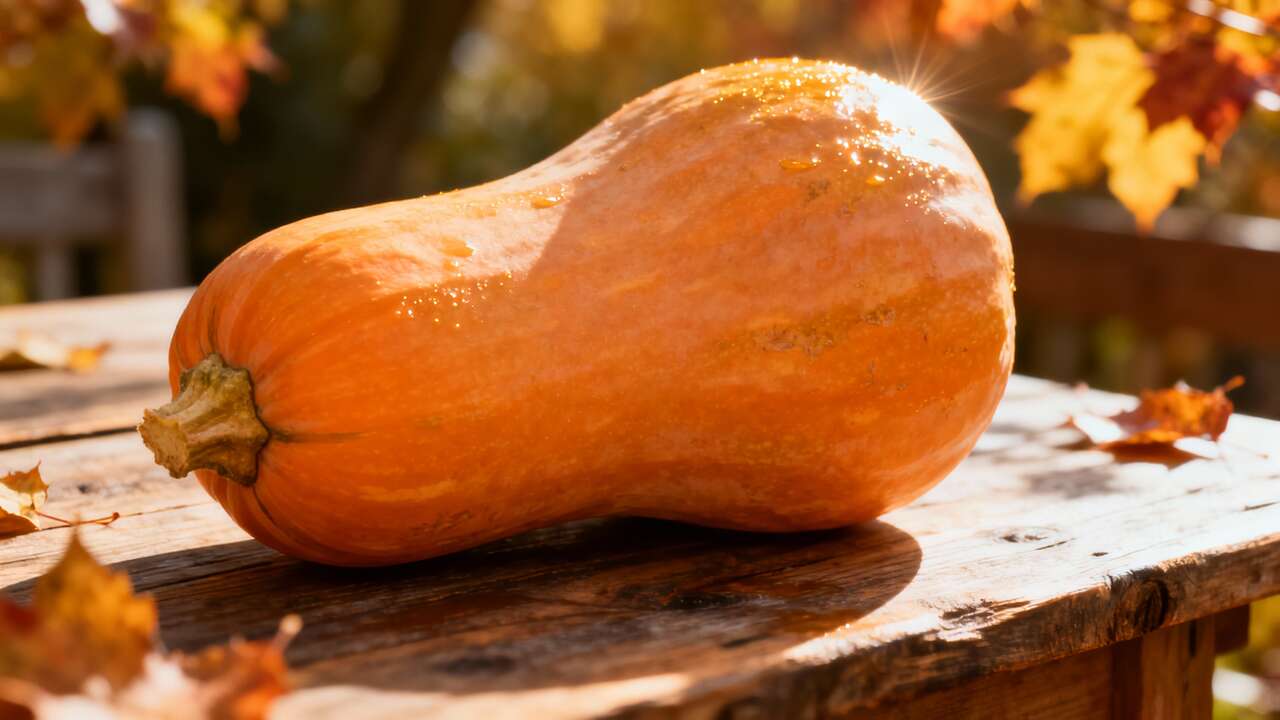

As the air turns crisp and leaves begin to paint the landscape in hues of amber and gold, the culinary world shifts its focus from the light, vibrant flavors of summer to the rich, comforting tastes of autumn. This seasonal transition brings a bounty of hearty produce, with root vegetables, dark leafy greens, and a spectacular array of squashes taking center stage. While pumpkins often steal the spotlight, there is another, more understated vegetable that many food enthusiasts eagerly await. For me, the true star of the autumn harvest is the versatile and delectably sweet butternut squash, a vegetable whose creamy texture and nutty flavor profile signal the definitive arrival of the coziest season.
Discover the standout vegetable of autumn
What makes butternut squash special ?
Butternut squash, a type of winter squash, distinguishes itself with a unique combination of characteristics that make it a culinary favorite. Its pale, tan skin encases a vibrant orange flesh that is both dense and tender when cooked. Unlike some of its gourd relatives, it has a relatively small seed cavity, yielding a generous amount of usable flesh. The flavor is its most celebrated attribute: a delightful sweetness reminiscent of sweet potato or pumpkin, but with a distinct, nutty undertone that adds a layer of complexity. This flavor profile allows it to bridge the gap between savory and sweet dishes with remarkable ease, making it a staple in everything from hearty soups to decadent desserts.
A brief history and origin
Though it feels like an ancient harvest staple, the butternut squash is a relatively modern creation. It was developed in the 1940s in Stow, Massachusetts. The goal was to create a squash that was easier to peel, had more flesh, and was more resistant to pests like the squash vine borer. The result was a resounding success, a cultivar of Cucurbita moschata that quickly gained popularity across North America and beyond. Its name is said to have come from its creator, who described its texture as “smooth as butter” and its taste as “sweet as a nut.” Today, it is a globally recognized symbol of autumn cooking.
Comparing autumn squashes
To truly appreciate the butternut squash, it helps to see how it stacks up against other popular autumn varieties. Each has its own unique qualities that make it suitable for different culinary applications.
| Squash Type | Flavor Profile | Texture When Cooked | Best Culinary Uses |
|---|---|---|---|
| Butternut Squash | Sweet, nutty, buttery | Creamy, smooth, dense | Soups, roasting, purees, pies |
| Acorn Squash | Mildly sweet, peppery | Slightly fibrous, tender | Roasting, stuffing, baking |
| Spaghetti Squash | Very mild, neutral | Stringy, spaghetti-like strands | Pasta substitute, casseroles |
| Pumpkin | Earthy, mildly sweet | Varies; can be stringy or smooth | Pies, soups, roasting seeds |
Understanding these differences helps a cook choose the right squash for their dish, but the butternut’s versatility and crowd-pleasing flavor often make it the most reliable choice. Its exceptional flavor and texture are not just a matter of taste; they are also linked to a rich nutritional profile that makes it a healthy addition to any meal.
The nutritional benefits of our autumn vegetable
A powerhouse of vitamins and minerals
Butternut squash is more than just a delicious ingredient; it is a nutritional giant packed with essential vitamins and minerals that support overall health. It is particularly renowned for its high concentration of vitamin A. A single one-cup serving of cooked butternut squash can provide over 400% of the recommended daily intake of vitamin A in the form of beta-carotene. This powerful antioxidant is crucial for maintaining healthy vision, supporting immune function, and promoting cell growth. Additionally, this autumn vegetable is an excellent source of other key nutrients.
- Vitamin C: An important antioxidant that helps protect cells from damage, supports the immune system, and aids in collagen production for healthy skin.
- Potassium: A vital mineral and electrolyte that helps regulate blood pressure, fluid balance, and nerve signals.
- Magnesium: Involved in hundreds of biochemical reactions in the body, including muscle and nerve function, blood glucose control, and bone health.
- B Vitamins: It contains smaller amounts of B vitamins like B6, which are essential for brain development and function.
Fiber and digestive health
Another significant benefit of butternut squash is its high fiber content. Both soluble and insoluble fiber are present, each playing a critical role in digestive health. Insoluble fiber adds bulk to stool, promoting regularity and preventing constipation. Soluble fiber, on the other hand, dissolves in water to form a gel-like substance that can help slow digestion, making you feel fuller for longer. This process also aids in stabilizing blood sugar levels by slowing the absorption of sugar, making it a beneficial food for managing blood glucose.
Antioxidant properties
The brilliant orange hue of butternut squash is a clear indicator of its rich supply of carotenoids, including beta-carotene, alpha-carotene, and beta-cryptoxanthin. The body converts these compounds into vitamin A, but they also function as potent antioxidants on their own. Antioxidants are substances that neutralize harmful free radicals in the body, which are unstable molecules that can cause cellular damage, a process known as oxidative stress. A diet rich in antioxidants is linked to a reduced risk of chronic diseases, including certain types of cancer and heart disease. With such a compelling nutritional resume, it is no wonder that so many are eager to incorporate this vegetable into their meals, which leads us to explore some of the best ways to prepare it.
Must-try recipes to highlight this vegetable
Classic roasted butternut squash
Perhaps the simplest and most effective way to enjoy butternut squash is by roasting it. This method caramelizes its natural sugars, deepening its sweetness and intensifying its nutty flavor. To prepare, simply slice the squash in half lengthwise, scoop out the seeds, and place it cut-side up on a baking sheet. Drizzle with olive oil, season generously with salt and pepper, and perhaps a sprinkle of cinnamon or nutmeg. Roast in a preheated oven at 400°F (200°C) for 45-60 minutes, or until the flesh is fork-tender and the edges are beautifully browned. It can be served as a simple side dish or used as a base for other recipes.
Creamy butternut squash soup
A velvety butternut squash soup is the quintessential autumn comfort food. The recipe is forgiving and easily adaptable. Start by sautéing onion and garlic in a large pot, then add cubed butternut squash and vegetable or chicken broth. Simmer until the squash is very tender. For a deeper flavor, use roasted squash instead of raw. Carefully transfer the mixture to a blender (or use an immersion blender) and puree until completely smooth. Return it to the pot and stir in a touch of heavy cream or coconut milk for richness, along with classic autumn spices like sage, thyme, and a pinch of nutmeg. This soup is both elegant and deeply satisfying.
Beyond the basics: creative uses
While roasting and soups are classics for a reason, the versatility of butternut squash invites creativity in the kitchen. Its creamy texture and sweet flavor lend themselves to a wide range of dishes, both savory and sweet.
- Butternut Squash Risotto: Stirring roasted and pureed butternut squash into a classic risotto creates an incredibly creamy, flavorful, and beautifully colored main course. Garnish with toasted sage leaves and parmesan cheese.
- Stuffed Squash: Use the roasted halves as edible bowls. Fill them with a mixture of quinoa, cranberries, pecans, and herbs for a hearty vegetarian meal.
- Pasta Sauce: Pureed butternut squash makes a surprisingly delicious and healthy alternative to traditional cream- or tomato-based pasta sauces. Blend it with garlic, broth, and a little parmesan for a silky sauce that pairs well with ravioli or gnocchi.
- Baked Goods: Just like pumpkin, pureed butternut squash can be used in pies, muffins, and breads, adding moisture, sweetness, and a boost of nutrients.
These delicious possibilities make a trip to the market all the more exciting. To get the best results, however, it is important to know when to look for this seasonal star and how to select the perfect one.
When and where to find the season’s star vegetable
Peak season for optimal flavor
Butternut squash is classified as a “winter squash,” which can be slightly misleading. The term refers to the fact that it is harvested in the late summer and early autumn but has a thick skin that allows it to be stored and eaten throughout the winter. Its peak season for harvesting is from early fall through mid-winter, typically from September to December in the Northern Hemisphere. While modern agriculture makes it available in many supermarkets year-round, purchasing it during its natural season ensures the best flavor, texture, and nutritional value. In-season squash will be sweeter and more vibrant, having been allowed to mature fully on the vine.
Choosing the perfect squash
Selecting a high-quality butternut squash at the farmers’ market or grocery store is key to a delicious final dish. There are a few simple indicators to look for to ensure you are bringing home the best of the harvest.
- Weight: A good squash should feel heavy for its size, which indicates it has a high moisture content and dense flesh.
- Skin: Look for a firm, hard rind with a matte finish. Avoid any squash with shiny skin, cuts, bruises, or soft spots, as these are signs of immaturity or decay.
- Color: The color should be a solid, even beige or tan. Green spots or streaks suggest the squash was picked too early and will not be as sweet or flavorful.
- Stem: Check that the stem is intact, hard, and dry. A soft or missing stem can be a sign that the squash is starting to rot.
Storing for longevity
One of the greatest advantages of winter squashes is their long shelf life. If you find a great deal on beautiful squash, you can easily stock up. A whole, uncut butternut squash can be stored in a cool, dark, and well-ventilated place—such as a pantry or cellar—for one to three months. Avoid storing it in the refrigerator, as the cold temperature can negatively affect its texture and flavor. Once the squash is cut, however, it must be refrigerated. Store cut pieces in an airtight container or wrapped tightly in plastic wrap, and use them within five to seven days for the best quality.
Cooking tips for optimal taste
The art of peeling and cutting
The tough, thick skin of a butternut squash can be intimidating, but a few simple techniques make the process much easier and safer. First, ensure you are using a sharp, sturdy knife and a stable cutting board. A vegetable peeler can work, but a sharp knife often provides better control. A helpful tip: pierce the squash a few times with a fork and microwave it for two to three minutes. This will soften the skin just enough to make peeling and cutting significantly easier. To cut it, first trim off the top and bottom ends to create flat, stable surfaces. Then, separate the thinner neck from the round, bulbous base. You can now peel each section individually before cutting the flesh into cubes or slices as your recipe requires.
Flavor pairings that shine
Butternut squash has a sweet, earthy flavor that pairs beautifully with a wide array of ingredients. Knowing these classic combinations can help elevate any dish.
| Category | Complementary Ingredients |
|---|---|
| Herbs | Sage, thyme, rosemary, parsley |
| Spices | Cinnamon, nutmeg, ginger, cloves, cayenne pepper, smoked paprika |
| Sweeteners | Maple syrup, brown sugar, honey |
| Dairy & Cheeses | Parmesan, goat cheese, feta, heavy cream, butter |
| Nuts & Seeds | Pecans, walnuts, pumpkin seeds (pepitas) |
Common mistakes to avoid
To ensure your butternut squash dishes turn out perfectly every time, be mindful of a few common pitfalls. These simple adjustments can make a world of difference in the final product.
- Under-seasoning: The natural sweetness of the squash needs to be balanced. Be generous with salt, pepper, and complementary herbs or spices to bring out its full flavor potential.
- Overcrowding the pan: When roasting, give the squash pieces plenty of space on the baking sheet. If they are too crowded, they will steam instead of roast, resulting in a soft, mushy texture rather than caramelized, golden-brown edges.
- Not cooking it enough: Undercooked squash can be hard and lack flavor. Always cook it until it is completely tender and can be easily pierced with a fork. This ensures a creamy, melt-in-your-mouth texture.
From its sweet, nutty flavor to its impressive versatility and nutritional punch, butternut squash has rightfully earned its place as an autumn icon. This seasonal vegetable offers a perfect canvas for a wide range of culinary creations, bringing warmth and comfort to the table as the weather cools. By learning how to select, store, and prepare it, anyone can unlock its full potential and enjoy one of the true highlights of the fall harvest.

- This Dried Fruit Improves Heart Health, Experts Say - 13 November 2025
- 3 Perennials You Should Divide in Autumn for a Healthier Garden Next Year - 13 November 2025
- This Simple Fruit on the Table Naturally Repels Gnats - 12 November 2025