
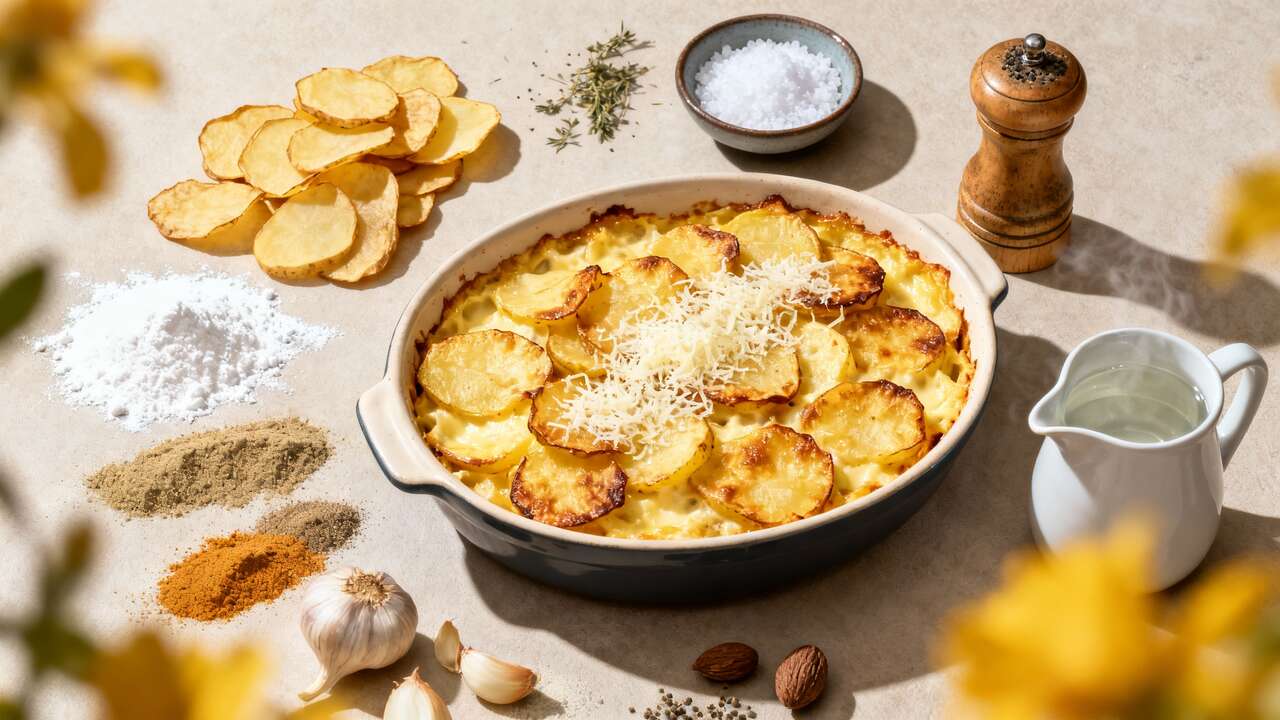

In the grand theater of comfort food, few dishes command the stage with such understated elegance as the potato gratin. It is a culinary paradox: a creation of humble potatoes and cream, yet capable of gracing the most sophisticated dinner tables. For many, however, the traditional gratin, with its precise slicing and careful simmering, remains a weekend-only affair. But what if we told you that the soul-warming bliss of a perfectly cooked gratin—with its tender, yielding layers of potato bathed in a savory cream sauce, all sealed beneath a crisp, golden-brown mantle of cheese—could be a weeknight reality? It’s not just possible; it’s astonishingly simple.
Forget the peeling, the slicing, and the anxiety of an unset sauce. This recipe is your foolproof blueprint for gratin success, engineered for the modern, busy kitchen. We have stripped the process down to its essential, glorious core by leveraging smart, high-quality pantry staples. The result is a dish that sacrifices none of the classic’s luxurious texture or depth of flavor. It is a testament to the idea that great food doesn’t always require great effort, just a little culinary ingenuity. Prepare to welcome this dependable, delicious, and deceptively easy potato gratin into your regular rotation. It’s the kind of recipe that saves a Tuesday night, impresses unexpected guests, and consistently reminds you of the simple, profound joy of a well-made meal. Welcome to your new favorite potato dish.
15 minutes
40 minutes
facile
€
Ingredients
Utensils
Preparation
Step 1
Begin by preparing your stage. Preheat your oven to 375°F (190°C). This is a crucial first step; placing your gratin into a properly heated oven ensures that the cooking starts immediately and evenly, which is key to achieving that perfect creamy texture and avoiding soggy potatoes. Lightly grease your 8×8 inch baking dish with a little butter or non-stick spray. This small action will be your best friend later, preventing the delicious cheesy crust from sticking to the sides and making serving a clean, effortless affair.
Step 2
Next, awaken your potatoes. Place the dehydrated potato slices in a large bowl and cover them with hot tap water. Let them sit for about 10 minutes. This process, called rehydration, allows the dried potatoes to absorb water, plumping them up and returning them to a tender, ready-to-cook state. Once they are pliable, drain them thoroughly, gently patting them with a paper towel to remove excess moisture. This ensures your final sauce won’t be watery.
Step 3
While the potatoes rehydrate, craft your luxurious sauce. In a separate medium-sized bowl, combine the heavy cream powder, whole milk powder, garlic powder, onion powder, salt, pepper, and that all-important pinch of nutmeg. Whisk these dry ingredients together to break up any clumps. Now, gradually pour in the 700ml of hot water while whisking continuously. Keep whisking until the mixture is completely smooth and resembles a light cream. This is the heart of your gratin, the savory liquid that will infuse every layer with flavor as it bakes.
Step 4
Now for the assembly, a satisfying and simple layering process. Spread about one-third of your rehydrated potato slices in an even layer across the bottom of your prepared baking dish. Don’t just dump them in; arrange them so they overlap slightly, creating a solid foundation. Sprinkle about a tablespoon of the parmesan cheese over the potatoes. Then, carefully ladle about one-third of the cream sauce over the top, ensuring all the potatoes are coated. Repeat this process two more times: potato layer, cheese sprinkle, sauce ladle. You should end with a final layer of sauce covering the top potatoes.
Step 5
For the grand finale, create the signature crust. Sprinkle the remaining parmesan cheese evenly over the entire surface of the top layer. This will bake into the irresistible golden-brown, crispy topping that every great gratin needs. Place the dish on the middle rack of your preheated oven and bake for 35 to 40 minutes. You’ll know it’s ready when the sauce is bubbling gently around the edges and the top is a beautiful, mottled deep golden brown. The aroma alone will tell you something wonderful has happened.
Step 6
Patience is the final ingredient. Once you remove the gratin from the oven, it will be molten hot and incredibly tempting. However, you must let it rest on a cooling rack for at least 10 minutes before serving. This resting period is not optional; it’s essential. It allows the creamy sauce to thicken slightly and the layers to set, which means they will hold their shape when you cut into it. This ensures you can serve beautiful, clean slices rather than a soupy pile of potatoes. This brief wait is the secret that separates a good gratin from a great one.

Chef’s tip
For an extra crispy, golden-brown top that provides a stunning textural contrast, you can employ a professional finishing technique. During the last 1-2 minutes of cooking, switch your oven’s setting from bake to broil. The intense, direct heat from above will rapidly crisp and color the parmesan cheese. However, you must watch it like a hawk. The line between perfectly bronzed and disappointingly burnt is measured in seconds. Stand by the oven door and remove the dish the moment it reaches that perfect deep golden hue.
Wine Pairing: a Perfect Match
A dish as rich and creamy as this potato gratin calls for a beverage with enough acidity to cut through the fat and refresh the palate between bites. The classic and most triumphant pairing is a crisp, dry white wine. Look for a French Sauvignon Blanc from the Loire Valley, such as a Sancerre or a Pouilly-Fumé. Its bright citrus notes and flinty minerality will provide a beautiful counterpoint to the gratin’s savory depth.
If you prefer a different style, an unoaked Chardonnay, like a Chablis, would also work wonderfully, offering clean apple and pear notes without the heavy oak that might clash with the cream. For red wine enthusiasts, the key is to stay light. A high-acid, low-tannin red is your best bet. A vibrant Beaujolais or a delicate Pinot Noir from Burgundy will complement the dish’s earthy notes without overwhelming its creamy texture. Avoid big, tannic reds like Cabernet Sauvignon, which can create a jarring and unpleasant clash with the dairy.
A Glimpse into Gratin History
The term gratin originates from the French verb gratter, which means ‘to scrape’ or ‘to grate’. Historically, it referred to the crusty bit of cooked food that stuck to the sides of the cooking dish and had to be scraped off—often considered the most delicious part. Over time, the name became associated with any dish that was topped with breadcrumbs, cheese, or butter and then baked or broiled to form a delightful golden crust.
The most famous of all potato gratins is the Gratin Dauphinois, a classic of French regional cuisine from the Dauphiné region. Traditionally, it consists of nothing more than thinly sliced potatoes, cream or milk, garlic, and seasoning, baked slowly to perfection. Our recipe is a modern, pantry-friendly homage to this rustic and elegant tradition, proving that the core principles of French country cooking—simple ingredients transformed into something extraordinary—are truly timeless.
- This Dried Fruit Improves Heart Health, Experts Say - 13 November 2025
- 3 Perennials You Should Divide in Autumn for a Healthier Garden Next Year - 13 November 2025
- This Simple Fruit on the Table Naturally Repels Gnats - 12 November 2025